If you searched for used oil disposal near me, you probably have a drain pan, a few containers, and one immediate question: where can this material go without creating a spill or violating local rules? After reading this guide, you will know how to locate a legitimate collection point, prepare used engine oil for transport, separate contaminated fluids, and handle a shop-sized volume. Here's the chemistry, here's the spec, here's what to do with it.
Used motor oil is not simply “dirty oil.” It contains degraded additives, soot, wear metals, fuel dilution, and contaminants picked up inside the engine. The base oil can often be re-refined, but the material still needs controlled collection. Never pour it on soil, into a storm drain, down a sink, or into a household trash can. Those shortcuts can contaminate water, damage plumbing, and create a difficult cleanup.
How to find used oil disposal near me
The fastest starting points are automotive parts retailers, oil-change businesses, municipal household hazardous-waste programs, transfer stations, and recycling centers. Many locations accept used motor oil from residents, but acceptance limits differ. A parts store might take a few gallons from a DIY oil change, while a city program may operate only on scheduled days. Commercial repair shops and fleet operators usually need a separate waste-oil service.
Search for used oil disposal near me together with your city, county, or ZIP code. Then verify the location on its own website or by phone before loading the vehicle. Ask four direct questions: Do you accept used motor oil? What maximum volume is allowed? Do you accept oil filters? Are other fluids, such as coolant or brake fluid, excluded? A site that accepts clean used engine oil may reject a mixed container.
Reference Box: In the United States, used oil recycling commonly depends on keeping used oil separate from hazardous chemicals and other automotive fluids. Clean collection improves its value and simplifies handling.
For a customer standing at the parts counter, the one-line answer is simple: call first, keep the oil uncontaminated, and use a sealed container. Search results are useful for finding candidates, but the facility’s current rules decide whether the trip succeeds.
What to do before taking oil to a collection site
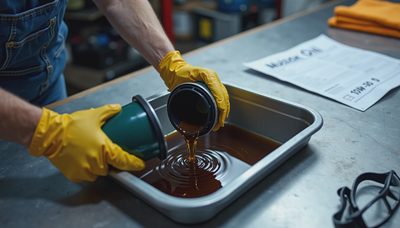
Let the drain pan cool enough to handle safely, but do not leave it uncovered where rain, dust, or a curious pet can reach it. Transfer the oil into a clean, leak-resistant plastic or metal container with a tight screw cap. Original oil bottles, a purpose-built drain container, or a sturdy five-gallon pail are practical choices. Do not use a milk jug or an unmarked chemical container if another person could mistake it for a beverage or product.
Keep the container upright in a secondary tub or box during transport. A small amount of absorbent material around the base can limit mess, but it does not replace a cap. Label the container “used motor oil” and record an approximate volume. Do not mix gasoline, diesel fuel, solvent, transmission fluid, power-steering fluid, antifreeze, brake fluid, or water into the oil. Some recycling programs accept used transmission fluid separately; others direct it to household hazardous-waste collection.
Used filters deserve attention. Drain a spin-on filter for several hours, place it in a sealed bag or box, and ask the receiving site whether filters are accepted. A filter still holding oil can leak in a trash container or transport vehicle. Never crush a filter with improvised equipment.
Why separation matters chemically
Oil and water do not mix because their molecular structures differ, but agitation can create an emulsion that is difficult to process. Solvents and fuels change the material’s flash behavior. Glycol-based coolant introduces a different waste stream and can make a previously recyclable oil load unacceptable. That is why “it is all automotive fluid” is not a valid disposal method.
The same principle applies in a repair shop. Use clearly marked drums for used engine oil, coolant, and solvent waste. Keep lids closed except when adding material, inspect drums for corrosion or damage, and place them on a stable surface away from drains. OSHA’s general housekeeping and hazard-communication principles support this basic control, while local environmental agencies determine storage and disposal requirements.
Reference Box: The practical chemistry rule is compatibility by stream. Clean used oil stays with used oil; water-based coolant, fuel, and solvents remain in their own labeled streams.
If a spill occurs, stop the source, keep it away from drains, and use an appropriate absorbent. Collect the saturated material for disposal according to local instructions. Do not wash an oil spill into the street with a hose. For a large release, contact the responsible facility manager or local emergency and environmental authorities.
Household quantities versus shop quantities
A DIY owner changing one vehicle’s oil may have four to eight quarts to return. A small shop can generate dozens of gallons each month, and a fleet may produce far more. Those situations require different planning. A household can often use a retail take-back site, while a business should arrange a scheduled pickup with a waste-oil collector or licensed environmental service.
When comparing used oil disposal near me options, look at distance, accepted volume, hours, container requirements, and documentation. A free drop-off is convenient for a few quarts, but a shop loses labor when employees make repeated trips. A scheduled service may provide drums, pickup records, and spill guidance. Ask whether the collector handles oil filters and whether contaminated loads incur additional charges.
Do not assume that a business may use a residential program. Some municipal programs are funded and sized for household quantities only. A technician or fleet lead should keep pickup receipts, service records, and waste-stream notes. Requirements vary by state and local authority, so confirm the applicable rules rather than relying on a general internet list.
Common mistakes that cause rejection
The most frequent problem is a mixed container. Even a small amount of antifreeze, brake cleaner, gasoline, or water can cause a facility to reject the load. The second problem is an unknown container. A recycler needs to know what it is receiving, and an unlabeled pail creates unnecessary safety risk.
Another mistake is carrying an open drain pan in a passenger compartment. Use a closed container in a trunk or cargo area, secure it against tipping, and transport it promptly. Do not leave oil in a hot vehicle for long periods. If a container is swollen, cracked, or leaking, place it in secondary containment and call the receiving facility for instructions instead of improvising.
People also search used oil disposal near me after a storm drain spill has already occurred. If oil reaches a drain or waterway, report it promptly to the property owner, local public works department, or appropriate environmental agency. Early reporting gives responders a better chance to contain the release.
A quick disposal checklist for the counter or garage
Before leaving, confirm that you have:
- Cooled used oil collected in a clean, sealed container.
- A label identifying the material as used motor oil.
- No coolant, fuel, solvent, brake fluid, or water mixed into the load.
- A call or online confirmation that the facility accepts your quantity.
- A secure box or tub to contain the container during transport.
- Separate, labeled handling for oil filters and other automotive fluids.
- Absorbent material available for a minor spill.
The safest used oil disposal near me result is not always the closest map pin. It is the location that accepts your exact material, quantity, and container type. For most DIY owners, that means a verified retailer or municipal program. For professional operations, it means a documented waste-oil plan with suitable drums and scheduled pickup.
Once the oil reaches a proper collection point, it can enter a recycling stream rather than becoming an uncontrolled pollutant. Keep the process boring and repeatable: drain carefully, label clearly, separate incompatible fluids, verify acceptance, and transport securely. That routine protects the technician, the customer, and the water system around the shop.

No comments yet — be the first to share a thought.