If you're reading this, you're probably standing in front of a car with a flashing check-engine light and a cylinder that's flat on acceleration. The question on the work order is simply this: would a bad fuel pump cause a misfire? After this post, you'll be able to answer that in one sentence, back it up with fuel-pressure and volume numbers, and avoid replacing a pump that was never the problem.
The Short Answer: Yes, but Only Under the Right Conditions
A fuel pump's job is to deliver fuel at a specific pressure and flow rate. When it can't keep up, the air-fuel mixture goes lean, and a lean mixture under load can misfire. The misfire pattern matters more than the code. If the engine misfires only under load, fuel delivery is a prime suspect. If it misfires at idle or cold start, look elsewhere.
How a Fuel Pump Fails and What That Does to the Mixture
Fuel pumps usually fail in one of three ways. A pressure drop leaves the rail with 20 psi instead of 45. A volume drop still builds pressure but can't feed the engine at wide-open throttle, which is when the misfire appears. An electrical failure comes from a worn brush or corroded ground. All three cause a lean condition and a misfire that feels like a power loss. You'll often see P0300 for random misfire or P0087 for low fuel-rail pressure.
Diagnosing a Fuel-Pump Misfire vs. an Ignition Misfire
The fastest way to tell a fuel-delivery misfire from an ignition misfire is to watch live data while driving. Long-term fuel trim over 20 percent positive means the engine is running lean, which points to fuel supply. An ignition misfire usually sets a specific cylinder code like P0302 and the misfire counter jumps on that cylinder only. Compression and spark tests confirm a coil or plug issue. If spark and compression are good but rail pressure falls under load, the pump is the weak link.
Other Fuel-Delivery Suspects That Mimic a Bad Pump
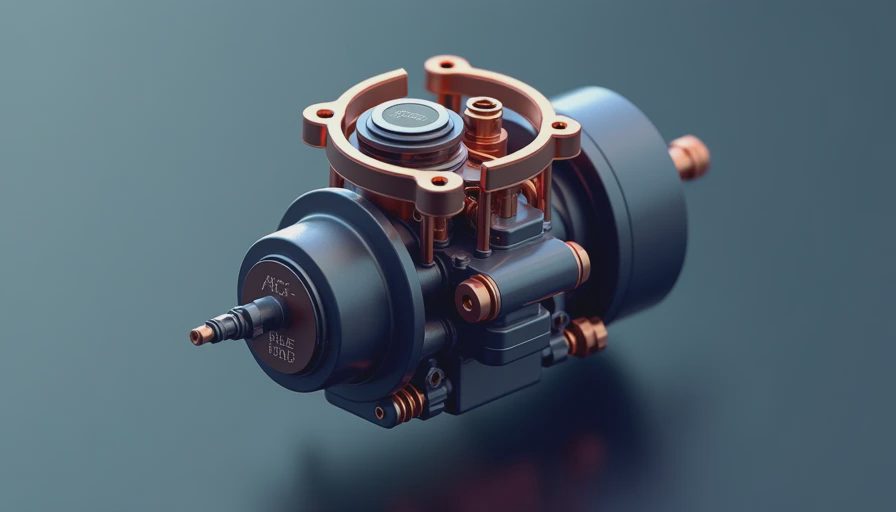
Before you drop the tank, rule out the cheaper parts. A clogged fuel filter produces the same low-pressure and low-volume symptoms as a dying pump. A faulty fuel-pressure regulator can bleed pressure back to the tank. A dirty injector causes a single-cylinder misfire that a fuel pump never would. And a corroded pump-ground connection can make a new pump act worn. Check battery voltage at the pump connector under load. If you're seeing 10 volts when you need 12, fix the wiring first. Follow the OEM diagnostic order to avoid a costly mistake.
How to Test Fuel Pump Pressure and Volume
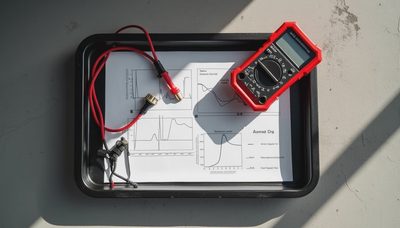
The only way to prove a fuel pump is bad is to measure what it actually delivers. Rent a fuel-pressure gauge and connect it to the rail test port. With the key on, pressure should spike to spec and hold after the pump stops. If it bleeds down fast, suspect the check valve inside the pump or the regulator. Crank the engine and read the pressure at idle, then watch it during a snap-throttle load. A good pump will hold within a few psi; a weak one will sag. For volume, disconnect the fuel return line and run the pump into a graduated container for 15 seconds. Compare the measured volume with the service manual's minimum flow rate. If pressure is low and volume is low, the pump is usually done. If pressure is fine but volume is low, check the filter and tank inlet sock first.
Reference Box: The Spec Numbers That Decide the Case
On the spec sheet, the number that decides it is the fuel-pressure specification from the manufacturer. Port-injected engines typically run 35 to 65 psi at the rail. Direct-injection engines still need a low-side electric pump delivering 40 to 70 psi. But pressure alone isn't enough; you have to measure volume too. A pump can hit the pressure number while flowing only a third of its rated liters per hour. That's why a fuel-volume test at wide-open throttle is worth the ten minutes it takes. If the pump passes both pressure and volume, it's not the cause.
When a Bad Fuel Pump Is Not the Cause
If a customer asks whether would a bad fuel pump cause a misfire, the one-line answer is yes, but only when the misfire is tied to load and fuel supply. Plenty of misfires have nothing to do with the pump. A single-cylinder misfire at idle and load is usually a coil, plug, injector, or burnt valve. A cold-start misfire with white smoke points to a coolant sensor or injector leak. A rhythmic misfire following the firing order is a compression problem. A lean code on one bank of a V6 or V8 is more likely a vacuum leak or clogged injector. The fuel pump supplies the whole engine, so its failure affects all cylinders, not one.
Next Steps for the Shop and the DIYer
When you're back at the counter, walk the customer through the diagnostic path. A fuel pump replacement typically runs between 400 and 800 dollars for parts and labor on a modern car. Direct-injection high-pressure pumps can push the bill into four figures, so you don't want to condemn one without proof. If the pump does need replacing, keep the tank above a quarter full to help cool it and follow the OEM procedure for fuel-line disconnect and fire safety. The original question on the work order, would a bad fuel pump cause a misfire, is now answered with a pressure gauge and a scan tool. Here's the chemistry, here's the spec, here's what to do with it: test before you tear down.

No comments yet — be the first to share a thought.