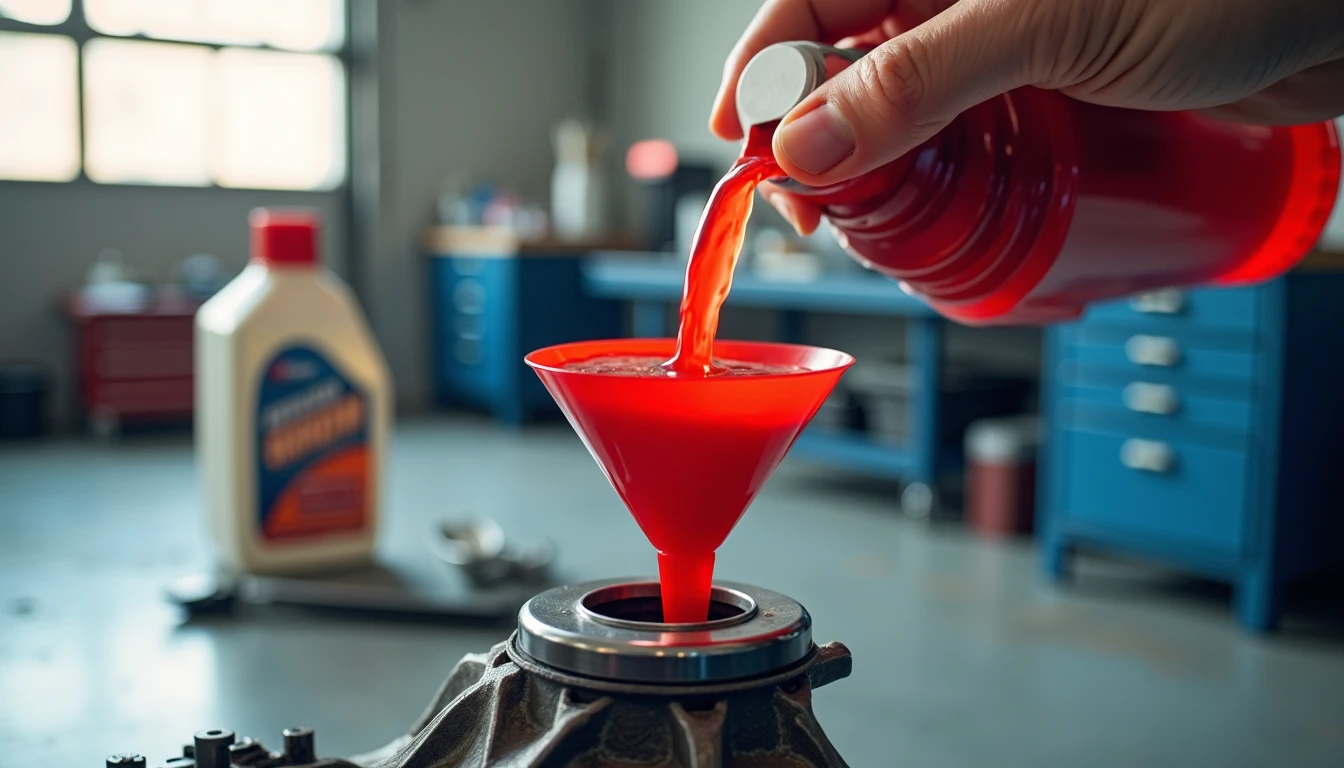
Master Your Fluids: Change Oil, Transmission, and Coolant Right to Avoid $4,000 Repairs.
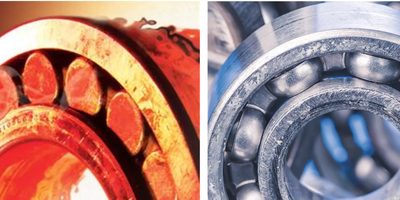
Changing your transmission fluid every 60,000 miles can prevent a costly rebuild, and keeping your coolant fresh stops corrosion that kills engines. Your vehicle's fluids are its lifeblood, lubricating moving parts, transferring hydraulic pressure, and controlling temperatures. Ignore them, and you're looking at expensive repairs. Follow this guide to maintain your fluids correctly, spot warning signs early, and keep your ride running smoothly without paying shop markups.
Why This Matters
Automotive fluids aren't just liquids; they perform critical engineering tasks. Engine oil lubricates, cools, and cleans internal components. Transmission fluid lubricates gears, provides hydraulic pressure for shifting, and cools the transmission. Coolant transfers heat to prevent your engine from melting down, while brake fluid transfers pedal force to stop the car.
When fluids degrade, viscosity breaks down, contamination builds up, and components wear prematurely. A neglected fluid change can turn a $50 maintenance job into a $4,000 component replacement. Plus, safety-critical systems like brakes rely on fluid integrity to function. Proper maintenance extends component life, ensures safety, and protects your wallet.
What You Need to Know
Engine Oil
Lubricates, cools, and cleans. Grades like 5W-30 indicate viscosity (how thick the oil is at a given temperature). The "5W" refers to winter viscosity, where lower numbers mean better cold flow. The "30" is viscosity at operating temperature.
- Conventional: 3,000–5,000 miles.
- Synthetic Blend: 5,000–7,500 miles.
- Full Synthetic: 7,500–10,000 miles.
Transmission Fluid
Lubricates gears, acts as hydraulic fluid, and cools.
- Automatic (ATF): Red/Pink. Change every 30,000–60,000 miles.
- Manual: Amber/Brown. Change every 30,000–60,000 miles.
- CVT: Green/Red. Change every 60,000–100,000 miles.
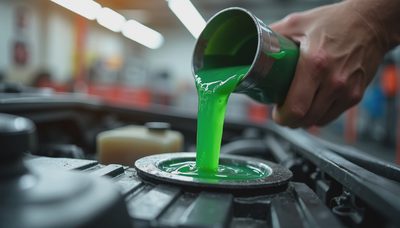
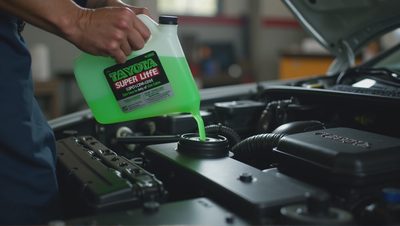
Coolant/Antifreeze
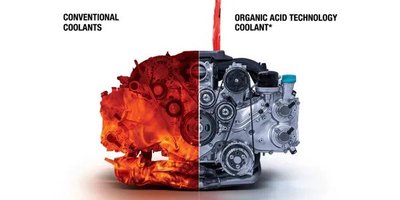
Prevents freezing, boiling, and corrosion.
- Green (IAT): Conventional. Life: 2–3 years.
- Orange (OAT): Extended life. Life: 5 years/150,000 miles.
- Yellow (HOAT): Hybrid OAT. Life: 5 years/150,000 miles.
- Pink/Red: Various extended life formulas.
- Mix Ratio: 50/50 coolant and distilled water. Provides freeze protection to -34°F, boiling protection to 265°F (with 15 PSI cap), optimal heat transfer, and corrosion protection.
Brake Fluid
Transfers force from pedal to calipers. Fluid is hygroscopic (absorbs moisture from the air), which lowers the boiling point.
- DOT 3: 401°F boiling point. Most vehicles.
- DOT 4: 446°F boiling point. Heavy duty/performance.
- DOT 5: 500°F boiling point. Silicone (special applications).
- DOT 5.1: 500°F boiling point. High performance.
- Interval: Change every 2–3 years regardless of mileage.
Power Steering Fluid
Hydraulic fluid for steering assist. Types include ATF (some vehicles), synthetic, manufacturer-specific, or electric (no fluid).
- Interval: 50,000–75,000 miles or when contaminated.
Differential & Transfer Case
- Front/Rear Differential & Transfer Case: Normal service 30,000–60,000 miles. Severe service (towing, off-roading) 15,000–30,000 miles.
How It Works
Checking Engine Oil
Check monthly with the engine off and cool. Ensure the level is between MIN and MAX marks. Color should be amber to dark brown, which is normal. Reject oil if it contains metal particles or has a milky appearance, indicating coolant contamination.
> Pro Tip: Always check oil with the engine cool. If you check immediately after driving, oil hasn't drained fully back into the pan, giving you a false low reading.
Transmission Diagnostics
Inspect color and smell regularly. Dark brown or black fluid signals overheating. A burnt smell points to internal damage. Metal particles indicate gear wear. A milky appearance means water contamination.
Coolant Safety
Never mix different coolant types. Chemical reactions between incompatible formulas can cause gel formation, destroying your cooling system. Always use a 50/50 mix of coolant and distilled water.
Brake Fluid Maintenance
Because brake fluid absorbs moisture, change it every 2–3 years regardless of mileage to maintain safety. High moisture content lowers the boiling point, leading to brake fade under heavy use.
> Pro Tip: Mark your calendar for the date of service, not the mileage. Moisture absorption happens over time, so a car sitting in a garage still needs brake fluid replaced every three years.
Power Steering & Washer Fluid
Check power steering for difficulty steering, whining noises, foamy fluid, or leaks around the pump or rack. For washer fluid, use seasonal formulas: Summer for bug removal, Winter for de-icing. Never use plain water; it freezes, grows algae, and lacks cleaning agents.
Common Mistakes
Mixing Coolant Types
Despite what some forums suggest, you should never mix coolant types to "top off" the system. Mixing green IAT with orange OAT causes immediate chemical reactions that form gel, clogging your heater core and radiator. Stick strictly to the type specified for your vehicle.
Ignoring "Severe Service" Intervals
Many owners follow standard intervals while towing or off-roading. If you tow or drive off-road, severe service applies. Reduce differential and transfer case intervals from 30,000–60,000 miles to 15,000–30,000 miles to protect your drivetrain.
Relying on Fluid Color Alone
Myth: If your transmission fluid looks red, it doesn't need changing. Reality: Even if the color is acceptable, fluid additives degrade over time. Stick to the 30,000–60,000-mile interval for ATF to ensure hydraulic pressure remains stable and components are protected.
Using Plain Water in Washers
Filling the reservoir with tap water might seem cheap, but it freezes in winter, promotes algae growth, and fails to remove road grime. Use proper washer fluid concentrate mixed according to freeze protection requirements.
Waiting for the Oil Light
Don't wait for the oil change light. Check oil monthly. If the oil looks black and gritty or the engine runs rough, change it immediately, even if the interval hasn't been reached.
Bottom Line
Fluid maintenance is the cheapest insurance for your vehicle. By adhering to manufacturer intervals, using correct fluid types, and watching for warning signs like burnt smells or milky residue, you extend component life and avoid catastrophic failures. Check your oil monthly, replace brake fluid every three years, never mix coolants, and adjust intervals for severe service. Stay on top of these fluids, and your car will reward you with reliability, safety, and significantly lower repair bills.