After reading this guide, you will be able to look up what antifreeze does, distinguish coolant chemistry from color, choose the correct product, test freeze protection, and handle used fluid safely. The short answer is that antifreeze is a concentrated glycol-based fluid mixed with water and additives. It protects against freezing, raises boiling protection, and helps control corrosion inside the cooling system. Here is the chemistry, here is the spec, here is what to do with it.
What antifreeze actually does
Automotive antifreeze is usually based on ethylene glycol or propylene glycol. Ethylene glycol transfers heat effectively and is common in passenger vehicles, but it is poisonous if swallowed. Propylene glycol is less toxic and appears in some specialty or fleet applications, though the vehicle manufacturer still controls the acceptable specification.
Pure glycol is not the ideal finished coolant. Water carries heat better than glycol, while glycol supplies freeze protection and raises the boiling point. A typical 50/50 mixture gives practical protection for most U.S. climates, although the exact freeze point depends on concentration, pressure, and the product formulation. Too little glycol allows freezing and corrosion. Too much glycol can reduce heat transfer and produce poor cold-weather performance.
Reference Box: The one-line chemistry answer is that antifreeze is the glycol concentrate; coolant is the ready-to-use mixture of antifreeze, water, and an additive package.
The additive package is just as important as the base fluid. Inhibitors protect iron, aluminum, copper, solder, seals, and other cooling-system materials. Organic acids, silicates, phosphates, borates, and other inhibitors appear in different formulations. Those ingredients are why two products with the same color are not automatically interchangeable.

How to choose the correct coolant
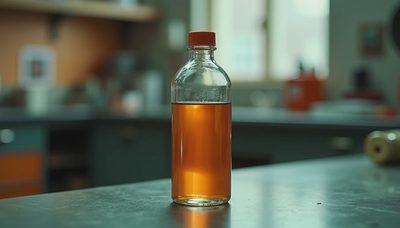
Start with the vehicle owner's manual, service information, or the specification printed on the original product label. Do not choose antifreeze by color alone. Green, orange, yellow, blue, and pink colors are dye choices, not universal chemical standards. A yellow product from one supplier can have a different inhibitor system from a yellow product made for another vehicle.
Look for language such as ASTM D3306 for many passenger-car applications, ASTM D6210 for heavy-duty engine coolant, or an explicit manufacturer approval. These ASTM references describe performance requirements, but they do not replace the vehicle maker's required specification. Some European, Asian, and domestic vehicles use distinct additive technologies and service recommendations.
Premixed coolant is convenient because it is already blended with deionized or distilled water. Concentrate costs less per finished gallon when a shop has reliable water and accurate mixing equipment. If mixing concentrate, use the ratio specified on the container. Tap water with high mineral content can leave deposits and interfere with inhibitors, so ordinary hard water is a poor long-term choice.
If a customer asks, the one-line answer is: match the vehicle specification first, then select concentrate or premix based on how the service will be performed. A universal product can be useful for an emergency top-off, but it should not be treated as proof that every coolant chemistry can be mixed indefinitely.
Testing freeze protection and condition
A refractometer is the most useful shop tool for checking glycol concentration. It requires only a few drops and can distinguish ethylene glycol from propylene glycol when the instrument has the correct scale. A floating-ball hydrometer is inexpensive, but readings can be affected by temperature, contamination, and the wrong scale. Test a cold, well-mixed sample and follow the tool instructions.
Freeze protection is only one part of the diagnosis. Check the fluid for oil, rust, suspended solids, unusual cloudiness, or a sharp exhaust odor. A combustion-gas test can help identify a head-gasket or cylinder-head problem when coolant is being pressurized or lost. A refractometer cannot tell you whether the inhibitor package is depleted.
Test strips can provide useful information about reserve alkalinity, nitrite, or other parameters in some heavy-duty systems. They are not universal. Fleet technicians should follow the engine maker's coolant-management program and document test results, top-offs, and filter changes. The number on a jug is not a substitute for a service record.

Mixing, flushing, and service decisions
When changing antifreeze, first identify the system capacity and the drain points. A partial drain followed by a different chemistry can leave a mixed system that no longer matches either product's intended protection. If the fluid is badly contaminated, a complete drain and water flush may be appropriate, followed by the specified premix or correctly blended concentrate.
Never open a hot radiator or expansion tank. A pressurized cooling system can release scalding fluid and vapor. Allow the engine to cool, wear chemical-resistant gloves and eye protection, and keep the vehicle secured before working underneath it. Use a clean drain pan large enough for the full capacity, since a small passenger car can hold several gallons and a truck can hold much more.
The old calendar rule of replacing coolant every two years does not apply to every modern vehicle. Some long-life formulations are designed for substantially longer intervals, while severe service, contamination, repairs, or mixed chemistry can shorten the practical interval. Follow the manufacturer schedule and inspect the fluid whenever a water pump, radiator, thermostat, or hose is replaced.
After filling, bleed trapped air according to the service procedure. Air pockets can cause overheating even when the reservoir appears full. Recheck the level after the first heat cycle and look for leaks around clamps, the thermostat housing, radiator seams, and the water pump.
Storage, spills, and disposal
Store antifreeze in its original labeled container with the cap tightly closed. Keep it away from children, pets, food, ignition sources, and floor drains. Ethylene glycol has a sweet taste that can attract animals, but a small amount can cause severe poisoning. Never transfer it into a beverage bottle or an unmarked container.
For a spill, stop the source, keep people and animals away, absorb the liquid with suitable material, and place the waste in a labeled container. Do not hose it into a storm drain, soil, septic system, or sewer. Used coolant can contain heavy metals, combustion contaminants, and other pollutants, so local rules determine whether it is managed as used automotive fluid or hazardous waste.
Most repair shops collect used coolant for a licensed recycler or waste contractor. A homeowner should call the local household hazardous-waste program or recycling center before carrying it in. Do not mix used coolant with used motor oil unless the receiving facility specifically accepts that combined stream. Keep containers closed and record the contents for fleet or shop inspections.
Troubleshooting common coolant questions
If the reservoir is low, find the reason instead of treating antifreeze as a routine top-off. Inspect for external leaks, pressure-test the system when appropriate, and check for signs of internal loss. A low level can expose the engine to overheating, while repeated topping-off can gradually alter concentration.
If the fluid looks rusty, do not assume adding more inhibitor will restore it. Rust can indicate depleted protection, oxygen entry, neglected maintenance, or incompatible materials. If the fluid is thick or oily, investigate contamination before replacing it. A heater that blows cold air can result from low coolant, trapped air, a restricted heater core, or a blend-door problem.
Reference Box: Color identifies dye; the vehicle specification, ASTM performance requirement, concentration, and service history identify whether the coolant is suitable.
The dependable workflow is simple: identify the specification, confirm the chemistry, test concentration, correct the mixture, inspect for leaks, and document the service. That method prevents most expensive mistakes at the parts counter and in the shop. When the question is antifreeze, start with the label and the vehicle requirement—not the color of the fluid.
No comments yet — be the first to share a thought.