After reading this guide, you will be able to look up what DEF is, identify the correct specification, explain its chemistry to a customer, and handle storage, contamination, and disposal questions. DEF is Diesel Exhaust Fluid, a carefully controlled solution used by selective catalytic reduction systems on many modern diesel vehicles. It is not a fuel additive, engine oil, or coolant. Here is the chemistry, here is the spec, here is what to do with it.
What DEF does in a diesel exhaust system
A diesel engine produces nitrogen oxides, commonly called NOx, during high-temperature combustion. The vehicle's exhaust system injects a metered amount of DEF upstream of an SCR catalyst. Heat converts the urea solution into ammonia, and the catalyst uses that ammonia to convert NOx primarily into nitrogen and water vapor. The process happens in the exhaust, not inside the engine's cylinders.
DEF contains 32.5 percent high-purity automotive urea and 67.5 percent deionized water by weight. That concentration is important because it provides a useful freezing point, approximately 12 degrees Fahrenheit, and supports predictable SCR operation. Freezing does not ruin properly stored DEF. The fluid expands as it freezes, then returns to specification after thawing. The tank and lines are designed with that expansion in mind.
Reference Box: DEF is a 32.5 percent urea solution made to ISO 22241. It reduces NOx in an SCR exhaust system; it does not improve engine lubrication or fuel quality.
A parts-counter explanation can be simple: DEF is sprayed into the hot exhaust so the SCR catalyst can clean up NOx. The vehicle normally calculates injection volume from engine load, exhaust temperature, and emissions data. The driver does not mix it with diesel fuel, and a technician should never pour it into a fuel tank, crankcase, transmission, or radiator.

The specification that matters: ISO 22241
On the spec sheet, the number that decides it is ISO 22241. This standard covers the quality of AUS 32, the formal name for the 32.5 percent urea solution used in automotive SCR applications. It addresses urea concentration, chemical purity, biuret and aldehyde limits, insoluble matter, alkalinity, and other contaminants that can damage or disrupt the system.
Look for wording such as “meets ISO 22241” on the container or supplier documentation. API certification is associated with engine oils, while SAE viscosity grades describe oils and other lubricants. Those systems do not replace the DEF specification. A container labeled only “urea solution” is not enough assurance for a truck or passenger vehicle.
The urea used for DEF is not the same as agricultural fertilizer, industrial urea, or a homemade mixture. Fertilizer can contain coatings, trace metals, anticaking agents, and other materials that are unacceptable in an SCR dosing system. Tap water is also unsuitable because dissolved minerals can form deposits or poison catalyst surfaces. Even a small amount of the wrong material can create expensive problems in an injector, pump, or catalyst.
If your customer asks, the one-line answer is: buy sealed fluid that clearly meets ISO 22241 and keep it out of every vehicle opening except the DEF fill point.
Storage, shelf life, and temperature control
Store containers in a clean, closed area away from direct sunlight, dust, fuels, oils, solvents, and metal filings. Moderate temperatures are best. Long exposure to temperatures above roughly 86 degrees Fahrenheit can shorten shelf life, while freezing is acceptable if the container remains intact. Do not place a swollen or damaged container back into service.
Shelf life depends on temperature and packaging, so use the manufacturer's date guidance rather than assuming an opened jug is good indefinitely. Keep a fleet's inventory rotated: first in, first out. A five-gallon jug that has sat for months beside a sunny loading dock deserves more scrutiny than a fresh, sealed container stored indoors.
Use dedicated, clean equipment for bulk DEF. A transfer pump previously used for diesel, hydraulic oil, or antifreeze can introduce contamination that is difficult to see. Do not top off a bulk tank with an unknown product simply because the label looks similar. Record the lot or date information when a fleet receives a shipment, especially where several trucks share dispensing equipment.
What contamination looks like in practice
Contaminated DEF can cause deposits, crystallization, injector restriction, pump damage, or an emissions fault. A white crust around a fill neck is not automatically proof that the fluid is bad; dried DEF can leave urea crystals after a small spill. Clean the area with water and follow the vehicle or equipment service procedure. Do not scrape aggressively against a plastic fitting or force debris into the tank.
The more serious event is a wrong-fluid fill. Diesel fuel in the DEF tank, or DEF in the diesel tank, requires prompt action and should not be corrected by starting the engine or driving to a shop. Starting the vehicle can circulate the wrong fluid through pumps and injectors. Shut it down, identify what entered which tank, and arrange professional draining and inspection.
A technician diagnosing an SCR complaint should scan for fault codes, verify fluid level and quality where the manufacturer provides a test method, inspect the dosing injector, and check exhaust temperature and NOx sensor data. Avoid replacing a catalyst solely because a warning lamp is illuminated. The underlying cause may be a wiring fault, failed pump, crystallized injector, or incorrect fluid.

A practical service routine for shops and fleets
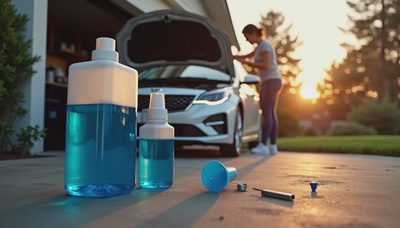
Before filling, confirm the vehicle's required fluid and locate the correct fill port. Many vehicles use a blue cap, but color is not a substitute for the owner's manual or service information. Inspect the cap, nozzle, and container for dirt. Wipe the fill area with a clean, lint-free material, then add fluid slowly enough to prevent splashing.
After filling, replace the cap securely and clean any spill with water. DEF can dry into crystals and can be corrosive to some metals and electrical connectors. Do not use shop air to blow droplets across a vehicle. If a spill reaches painted surfaces, rinse promptly. For a fleet, write the date and quantity on the maintenance record so consumption can be compared with expected use.
Do not allow the tank to run empty. Many systems provide a series of warnings and can eventually limit restart or vehicle speed after the fluid level reaches zero. The exact strategy varies by manufacturer, but ignoring the first warning usually turns a routine refill into a roadside service event. Keep an approved emergency container available for equipment that works far from the shop.
Safety and disposal basics
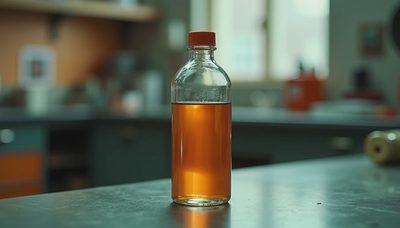
DEF is not classified like gasoline, but it still deserves normal chemical handling. Wear safety glasses when transferring it, wash skin with water after contact, and keep it away from food and drink containers. Read the product safety data sheet for workplace requirements. Never store it in an unmarked bottle, especially one that could be mistaken for drinking water or washer fluid.
Unused, in-specification fluid should be used in the intended SCR equipment before its shelf life expires. Do not pour unwanted DEF into a storm drain, soil, fuel tank, or used-oil collection drum. Contact the local wastewater authority or follow the product supplier's disposal instructions. Used oil has its own recycling stream and must not be mixed with DEF, antifreeze, solvents, or gasoline.
For a parts counter or service writer, the useful close is straightforward: DEF must meet ISO 22241, remain clean, and go only into the SCR tank. When the question involves contamination or a wrong-fluid fill, stop operation first and escalate to the manufacturer's procedure. That is how a low-cost maintenance item stays separate from a high-cost emissions repair.

No comments yet — be the first to share a thought.