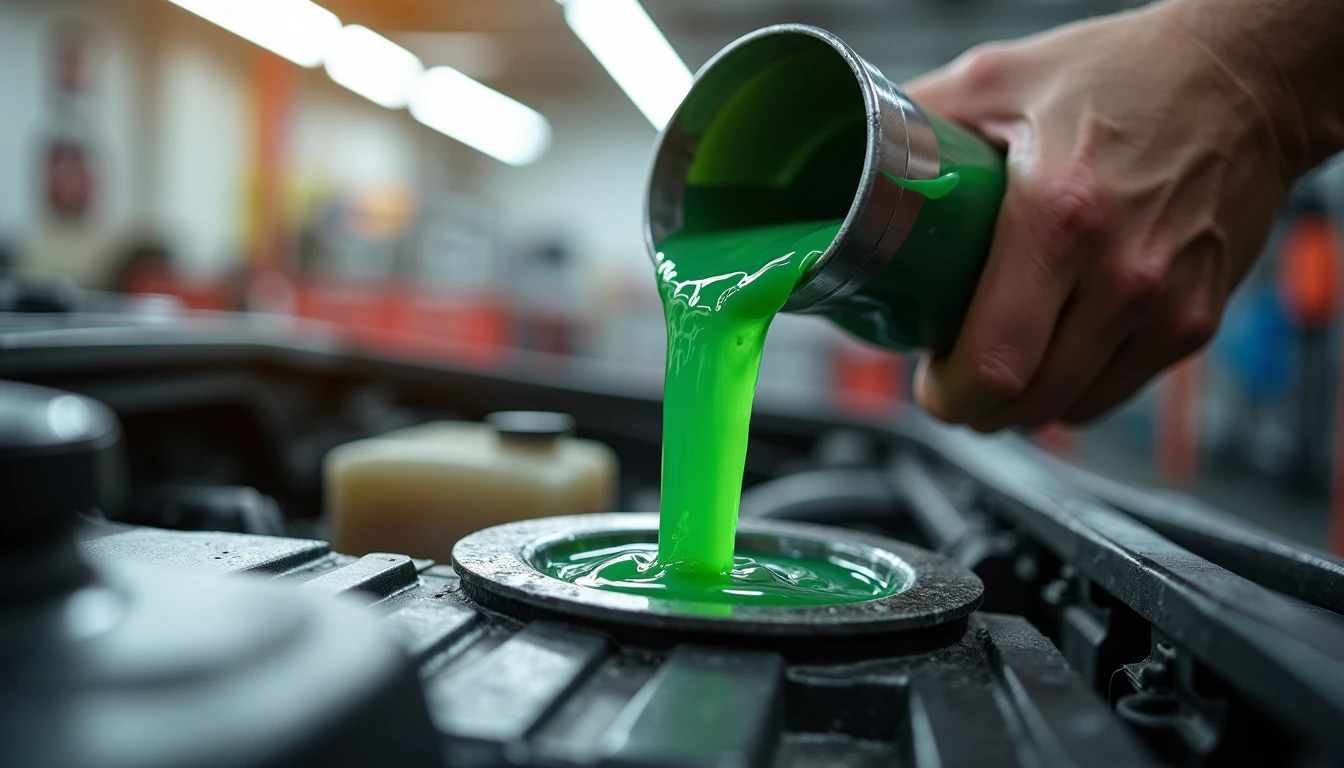
A Radiator Flush Every 30k to 50k Miles Prevents Overheating and Saves Your Engine
Skipping a radiator flush can turn a routine maintenance item into a cracked engine block or a blown head gasket. Sticking to the 30,000 to 50,000-mile flush interval keeps your coolant fresh, prevents corrosion from eating your water pump, and ensures your cabin heater actually works when winter hits. Here is how the cooling system works, the specific signs that your system is failing, and how to maintain it to keep your engine running cool for the long haul.
Why This Matters
Your radiator is the heart of your cooling system. It circulates coolant through the engine block to pull heat away, keeping your engine within a safe temperature range. If the system fails, you risk catastrophic engine damage.
Coolant does not last forever. Over time, the fluid breaks down and loses its protective properties. As it degrades, it accumulates dirt, rust, and scale deposits. Scale deposits are hard mineral buildups that can clog the narrow passages inside the radiator and heater core, restricting flow. When flow is restricted, your engine runs hotter than designed.
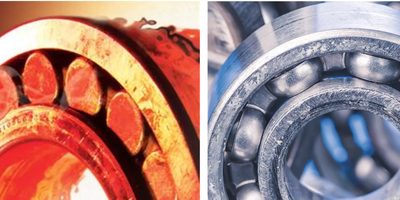
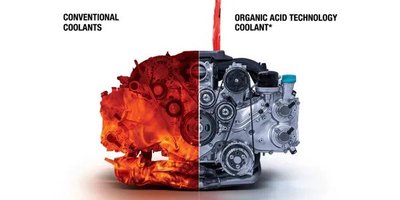
A proper flush removes the old, dirty coolant and replaces it with fresh fluid. This process clears out debris and rust, restoring the system's ability to regulate temperature. Fresh coolant also contains additives that protect internal components from corrosion. Without this protection, your water pump and radiator can corrode from the inside out, leading to leaks and premature failure. Additionally, a clean cooling system ensures your cabin heater and air conditioning perform better, as the heater core relies on hot coolant flow to warm the cabin.
What You Need to Know
Before you pop the hood, you need to know the specs and intervals to keep your system healthy. Follow these guidelines based on manufacturer recommendations and system behavior.
- Flush Interval: Most vehicles recommend a radiator flush every 30,000 to 50,000 miles. Always check your vehicle's service manual for the exact interval, but this range is the standard baseline for preventing breakdown.
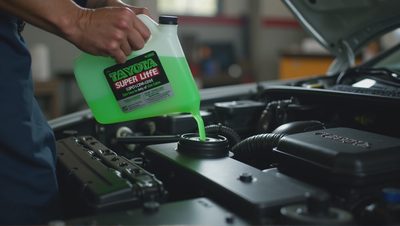
- Fluid Types: Coolant fluids can be green or orange. However, color alone is not a specification. You must use the exact type of coolant recommended by your manufacturer. Using the wrong chemical formulation can fail to protect your system's materials.
- Monthly Checks: Check your coolant levels monthly. If the fluid is low or looks dirty, it is time for a check-up.
- Leak Detection: Inspect for leaks regularly. Coolant leaks often appear as green or orange fluid pooling under the vehicle. You may also smell something sweet; coolant has a distinct sugary odor when it burns off hot engine parts.
> Pro Tip: If you smell something sweet from the hood or vents, you likely have a coolant leak. Coolant has a distinct sweet smell when it contacts hot surfaces. Do not ignore this odor; a small leak can quickly become a major loss of fluid and an overheating event.
How It Works
A radiator flush is a three-step process designed to restore system health. Understanding this helps you know what to expect during service or how to evaluate your own maintenance.
1. Drain: The old coolant is drained from the system. This removes the bulk of the degraded fluid, along with any loose contaminants suspended in it.
2. Flush: The system is flushed to remove debris and rust that have accumulated. This step is critical for dislodging scale deposits and sludge that the drain alone cannot remove. A thorough flush ensures passages in the radiator, water pump, and engine block are clear.
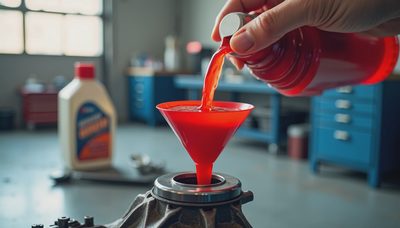
3. Refill: The system is refilled with clean antifreeze. This restores the proper mixture of water and coolant additives, ensuring freeze protection, boil protection, and corrosion inhibition.
Between flushes, your maintenance routine is simple. Check levels monthly to ensure the system is full. If levels are low, top off with the correct fluid, but investigate the cause of the loss. Inspect hoses and connections for signs of weeping or cracks. If you notice the engine temperature running high or fluctuating, address it immediately.
Common Mistakes
Even experienced DIYers can make errors with cooling systems. Avoid these pitfalls to protect your investment.
- Waiting for Overheating: A major mistake is waiting until the temperature gauge spikes or steam appears. By the time your engine is running high or fluctuating, damage may already be occurring. Heat stress can warp cylinder heads and damage gaskets. Flush on schedule, not when the warning signs appear.
- Ignoring Fluid Condition: Do not assume the fluid is fine just because the level is okay. If your coolant looks rusty, brown, or sludgy, it is time for a flush immediately. Fresh coolant should be clear and vibrant. Sludge indicates advanced breakdown and contamination that can clog your water pump.
- Guessing the Coolant Type: Some mechanics assume green coolant is universal. This is false. Using the wrong type of coolant can cause chemical reactions that gel up or fail to protect aluminum components. Always use what your manufacturer recommends.
- Neglecting the Sweet Smell: If you smell sweetness, you have a leak. A common mistake is topping off the fluid and ignoring the leak source. Coolant leaking onto belts or electrical components can cause secondary failures. Locate and repair the leak.
> Pro Tip: Never mix green and orange coolant blindly. While both are common, they often contain different inhibitor packages. Mixing incompatible types can reduce corrosion protection and cause precipitation that clogs the system. When in doubt, flush the system completely before switching types.
Bottom Line
A radiator flush is one of the smartest maintenance actions you can take to extend the life of your engine. Stick to the 30,000 to 50,000-mile interval, check coolant levels monthly, and address any signs of sludge, rust, or leaks immediately. Use only the coolant type recommended by your manufacturer, and do not wait for temperature spikes to act. This routine prevents overheating, protects your water pump and radiator from corrosion, and keeps your heating and cooling performance reliable. If you notice rusty fluid, a sweet odor, or temperature fluctuations, get your system inspected and flushed right away.