Proper Lubrication Prevents Catastrophic Seizure by Controlling Friction, Heat, and Contamination
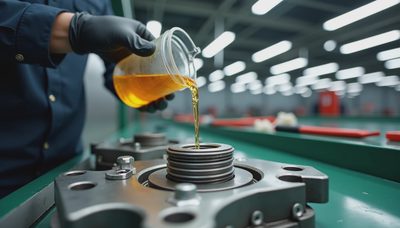
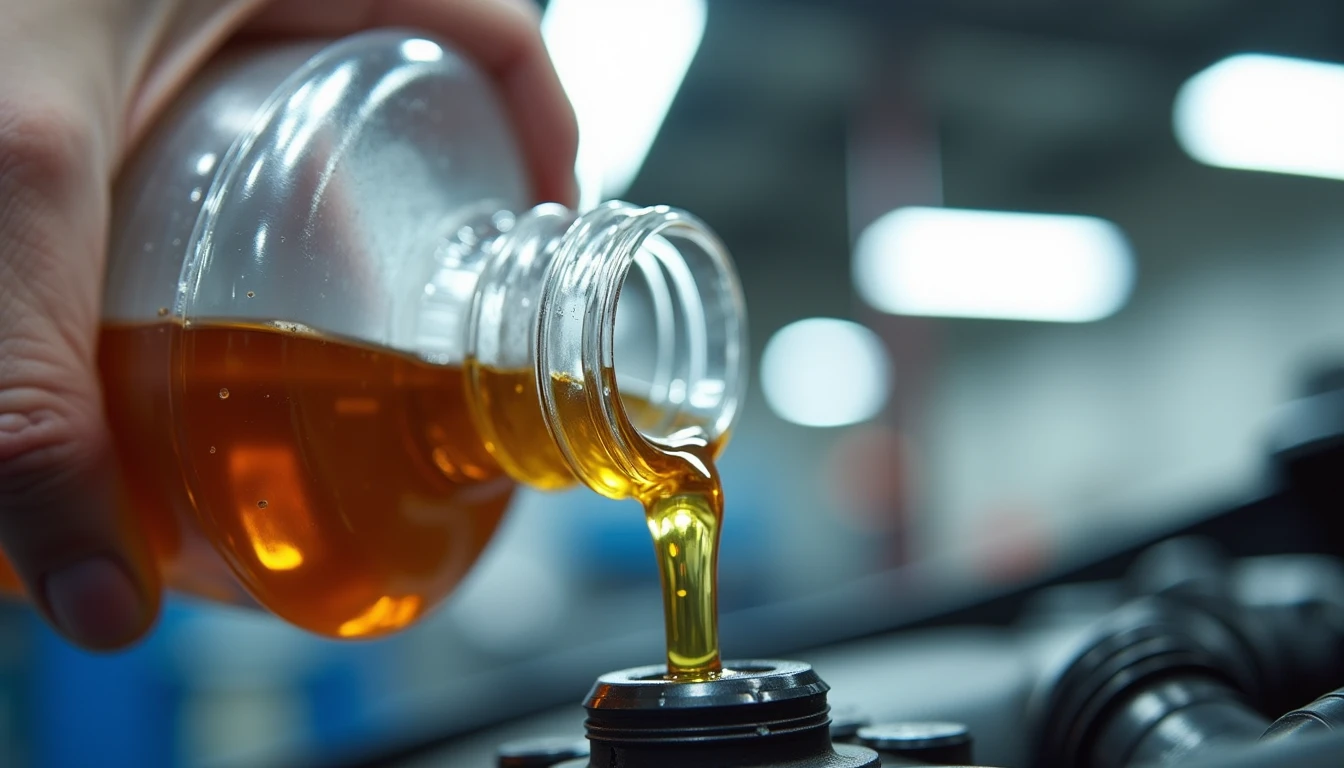
Understanding lubrication basics is the difference between a reliable machine and a seized engine. Friction generates heat and shreds metal surfaces, leading to catastrophic failure that can cost thousands to repair. Proper lubrication separates moving parts with a thin film, controls operating temperatures, and blocks contaminants, ensuring uninterrupted operation and extending the life of your vehicle or equipment.
Why This Matters
Every metal surface in your engine or transmission looks smooth to the naked eye, but under magnification, it is covered in microscopic high points called asperities. When two metal surfaces slide against each other, these asperities catch on one another. If left unchecked, this contact causes abrasions, adhesion, and can even weld the surfaces together, resulting in seizure.
As asperities rip apart, they create free-moving metal particulates. These particles circulate through your lubrication system, acting like grinding paste that causes further damage to bearings, cylinder walls, and gears. Additionally, friction produces intense heat. If this heat isn't managed, it degrades the lubricant rapidly, leading to total machine failure. Lubrication solves this by creating a barrier that keeps asperities from touching, stopping the cycle of wear before it starts.
What You Need to Know
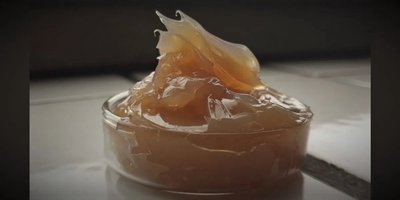
Lubricants are not just "oil." They are complex formulations consisting of a base oil combined with additives designed to optimize performance. Base oils generally fall into three categories: mineral, synthetic, and vegetable. Grease is a distinct form of lubricant made by combining a base oil with a thickening agent.
Base Oil Types
- Mineral Oils: Derived from crude oil, the quality depends heavily on the refining process. Mineral oils contain four key molecule types:
- *Straight paraffin:* Long, straight chained structures.
- *Branched paraffin:* Similar chains with side branches.
- *Naphthene:* Saturated ring structures, commonly used in moderate temperature applications.
- *Aromatic:* Non-saturated ring structures, primarily used in manufacturing seal compounds and adhesives.
- Vegetable Oils: These are seldom used for industrial purposes because they have lower oxidative stability and limited flow properties at cold temperatures.
- Synthetic Oils: While the source notes synthetics exist, the detailed breakdown is truncated; however, they are a primary alternative to mineral oils in industrial use.
Core Functions
Beyond friction reduction, lubricants perform critical jobs:
- Heat Control: Lubricants absorb and transfer heat away from components, while also reducing heat generation by minimizing friction.
- Contamination Control: Grease and circulating oils can seal internal components from the external environment. Flowing lubricant also carries contaminants to a tank, sump, or filter for removal.
- Chemical Protection: Additives coat surfaces to prevent corrosion, such as rust.
- Energy Transfer: Hydraulic oil uses its incompressible nature to transfer energy within hydraulic systems.
How It Works
The primary mechanism of lubrication is the separation of solid surfaces by a thin layer of lubricant. When you fill your crankcase or transmission, you are establishing this film. As parts move, the lubricant maintains separation, preventing asperity contact.
In a hydraulic system, the fluid's incompressibility allows it to transmit force instantly. In an engine, the oil circulates to absorb heat from pistons and bearings, carrying it to the oil pan or cooler. Simultaneously, the oil washes away wear particles and soot, suspending them until they are trapped by the oil filter. Grease works differently; the thickening agent holds the base oil in place, providing long-term lubrication while forming a physical barrier that excludes dirt and moisture from bearings and joints.
Common Mistakes and Myths
> Myth: "Vegetable oil is a great, eco-friendly lubricant for engines."
> Fact: Despite what some forums claim, vegetable oils are rarely used in industrial applications. They suffer from low oxidative stability, meaning they break down quickly, and they have poor flow in cold temperatures. Using vegetable oil can lead to sludge, poor cold starts, and rapid engine wear. Stick to mineral or synthetic formulations designed for machinery.
> Myth: "Grease is just thick oil."
> Fact: Grease is a composite of base oil and a thickening agent. The thickener is crucial for staying in place and sealing out contaminants. When repacking a wheel bearing or CV joint, you aren't just adding lube; you are creating a seal. If you don't pack the grease thoroughly, you leave air pockets that allow contamination ingress.
> Pro Tip: Pay attention to base oil composition. Naphthene molecules are best suited for moderate temperature applications. If you operate equipment in extreme heat or cold, a standard mineral oil heavy in naphthenes may not provide adequate protection. Match your oil chemistry to your operating environment.
> Pro Tip: Aromatic molecules are often used in seal compounds. This means the chemistry of your lubricant interacts directly with your rubber seals. Using the wrong fluid can cause seals to swell, shrink, or fail, leading to leaks. Always use the fluid type specified by the manufacturer to protect your seal integrity.
Bottom Line
Lubrication is the lifeblood of machine health. It reduces friction, controls heat, excludes contamination, prevents corrosion, and transfers energy. Whether you are using mineral oil with specific molecular profiles like straight paraffin or naphthene, or grease with a thickening agent, the goal is the same: separate surfaces and protect components. Check your fluid types, keep contaminants out, and maintain your lubrication schedule to avoid catastrophic failure and keep your machine running efficiently.