Battery Core: What It Is and Why It Matters for Your Car
If you have ever bought a car battery, you have likely seen a line item on your receipt labeled "core charge." That charge is tied to the battery core — the old battery you turn in when you buy a new one. Understanding what a battery core is, how the core charge system works, and why recycling matters can save you money and help the environment. Here is the chemistry, the spec, and what to do with it.
A battery core is simply the casing, plates, and internal materials of a used lead-acid battery. When you purchase a new battery, the seller charges a core fee — usually between $10 and $20 — as a deposit. You get that fee back when you return your old battery core. This system incentivizes recycling because the lead and plastic in the core are valuable raw materials. Nearly 99% of lead-acid battery cores are recycled in the United States, making them one of the most recycled consumer products.

From a chemical standpoint, a battery core contains lead dioxide plates, spongy lead, and sulfuric acid electrolyte. Over time, the plates degrade and sulfate buildup reduces capacity. Recycling recovers the lead, which is smelted and refined into new battery components. The polypropylene case is ground and reprocessed into new plastic. Even the acid is neutralized or converted to sodium sulfate for use in detergents and glass.
The term battery core also shows up in parts cataloging. When you order a replacement battery from an auto parts store, the listing often says "with core" or "without core." With core means the price includes the core charge you pay upfront and later refund. Without core means you are buying the battery outright and keeping your old one — or you have no old unit to return. In most cases, bringing in your old battery core saves you money immediately.
How Core Charges Work in Practice
When you walk into a parts counter, the price you see on a battery is usually the exchange price — meaning you pay less because you are expected to leave your old battery core. If you do not have a core to turn in, you pay a higher price that includes the core charge. For example, a battery might list at $119.99 with core exchange, but $139.99 without the trade-in. The $20 difference is the refundable core deposit.
Some retailers also apply core charges to other components like alternators, starters, and A/C compressors, but batteries are the most common. The core must be complete — no cracks, cases intact, and terminals present. If you bring in a damaged core, the store may reject it and keep the fee. So a good habit is to store your old battery in a dry, safe place and check it for damage before hauling it back.
Reference Box: The Battery Council International (BCI) sets standards for battery group sizes that ensure your replacement battery core physically fits and has the correct terminal configuration. Always match the BCI group number when buying a new battery.
Why Recycling Battery Cores Matters
Lead is toxic and sulfuric acid is corrosive. Throwing a battery core in the trash contaminates soil and groundwater. Recycling keeps hazardous materials out of landfills and provides feedstock for new batteries. The lead recovered from a single battery core can be used to produce 80% of the lead needed for a new battery — a near-closed loop. The plastic case, once cleaned and shredded, becomes pellets for new battery housings or other molded products.
If your customer asks, the one-line answer is: Returning a battery core is required by law in most U.S. states because lead-acid batteries are classified as universal waste. Even where not mandated, it is the responsible choice. Every auto parts store and many service centers accept battery cores for recycling at no charge, even if you did not buy the new battery there.
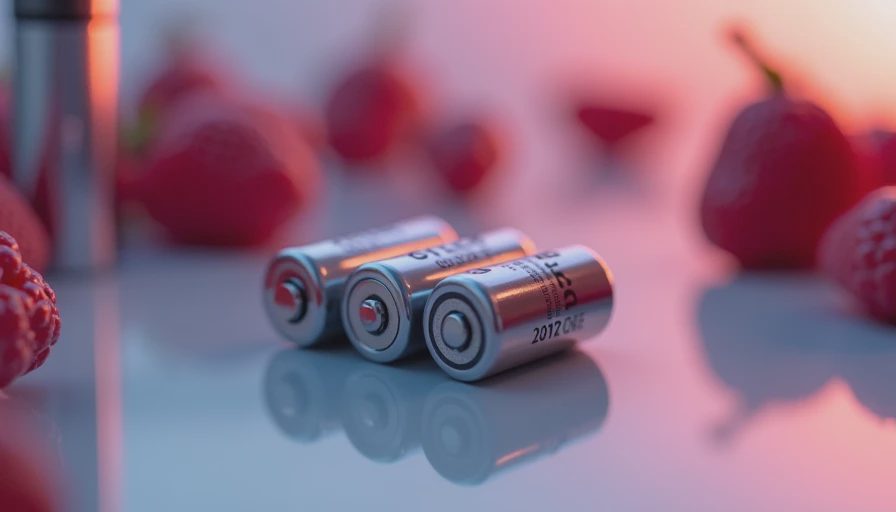
Tips for Handling and Storing a Battery Core
Before you remove a battery from a vehicle, wear gloves and safety glasses. The electrolyte can cause burns and the terminals can deliver a high current short if you accidentally bridge them with a metal tool. When transporting a battery core, keep it upright and secure it so it does not tip over. If the battery case is cracked or leaking, bag it in a heavy-duty plastic bag to contain any drips.
Many parts stores will test your old battery core with a conductance tester. They are verifying that the core is a legitimate lead-acid unit, not a piece of scrap. A dead battery that holds no charge still qualifies as a core — the materials are valuable. However, a battery that has been cracked open or has missing internal components may be refused.
Summary
The battery core is the heart of the lead-acid recycling network. By understanding the core charge system, you can avoid paying extra and ensure your old battery does not end up in a landfill. Always return your old battery when buying a new one, store it safely until you do, and match the BCI group number to get the right fit. That is the chemistry, the spec, and what to do with it.


No comments yet — be the first to share a thought.