This reference will help you look up what a fuel injector does, which symptoms warrant testing, and when cleaning or replacement makes sense. The short answer: an injector is an electronically controlled valve that meters fuel into an engine. When it sticks, leaks, clogs, or loses its electrical control, the result can be a misfire, hard starting, poor performance, or fuel entering the oil. Those symptoms have other causes, so diagnose before replacing parts.
How an injector meters fuel
The engine control module commands an injector to open for a calculated period, often called pulse width. Fuel pressure, injector design, and opening time all affect how much fuel is delivered. The control module adjusts its commands using inputs such as engine speed, load, temperature, and oxygen-sensor feedback.
A port fuel injector sprays into the intake port, upstream of the intake valve. A gasoline direct-injection injector sprays into the combustion chamber and operates in a substantially higher-pressure system. Diesel injection systems also use high pressures and have their own diagnostic and service requirements. The basic job is similar, but the procedures and hazards are not interchangeable.
Spray pattern matters as well as quantity. An injector can deliver fuel but distribute it poorly, making combustion uneven. A leaking injector can introduce fuel when the engine is off or when that injector should be closed.
Reference Box: Injector pulse width is a time command, not a direct measurement of delivered fuel. Pressure, flow restriction, and mechanical condition also affect the result.
Symptoms and the first checks
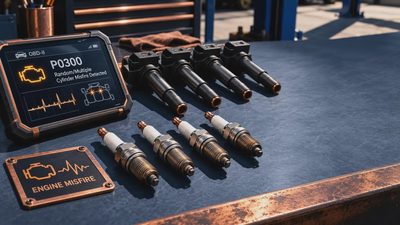
A rough idle or a cylinder-specific misfire may point toward a fuel injector, but a worn spark plug, ignition fault, compression problem, intake leak, or wiring issue can produce a similar complaint. Retrieve diagnostic trouble codes and freeze-frame data first, then inspect the affected cylinder's ignition components and the injector connector and harness.

A persistent lean condition across multiple cylinders suggests looking beyond one injector. Depending on the engine, causes can include a vacuum leak, inadequate fuel delivery, or incorrect airflow measurement. A single-cylinder misfire directs attention to that cylinder, but a code identifies the symptom, not necessarily the failed part.
Hard starting after a hot soak, black exhaust smoke, or a fuel smell may accompany a leaking injector. They do not prove one is leaking. If the oil level rises or the oil smells strongly of fuel, avoid continued operation until the cause is investigated: fuel dilution can reduce the oil's protective capability.
Test before condemning a fuel injector
Start with the vehicle manufacturer's diagnostic procedure. A scan tool may show cylinder misfire counts, fuel trims, commanded operation, or other data that help narrow the fault. Fuel trims describe control corrections; they do not identify a bad injector on their own.
An electrical check can reveal an open circuit, short, damaged connector, or control problem. Use the specified test equipment and procedure: some injector circuits use high voltage, and resistance measurements are not a universal pass-or-fail test. Do not probe or power an injector by improvising with a battery.
A shop may perform an injector balance test, measuring the pressure drop associated with each injector under controlled conditions. A relative difference can justify further investigation, but pressure supply, test conditions, and the manufacturer's limits matter. A leak-down test can help locate a loss of fuel pressure, although other components can also allow pressure to fall.
Where the design and service procedure permit, moving an injector to another cylinder can help determine whether a fault follows the part. That is not a casual swap: seals, single-use hardware, coding requirements, and access vary. On direct-injection and diesel systems, specialized tools and safety precautions can make professional service the sensible choice.
Reference Box: The deciding specification is vehicle-specific: use the manufacturer's test limits and procedure, not a generic resistance or pressure-drop number from a different engine.
Deposits, cleaners, and fuel quality
A fuel injector can develop deposits that interfere with flow or spray. Fuel chemistry, operating conditions, heat, and the injector's location all matter. Detergent additives are designed to help control certain deposits, but a bottle in the tank cannot repair a failed coil, damaged wiring, a worn sealing surface, or every severe restriction.
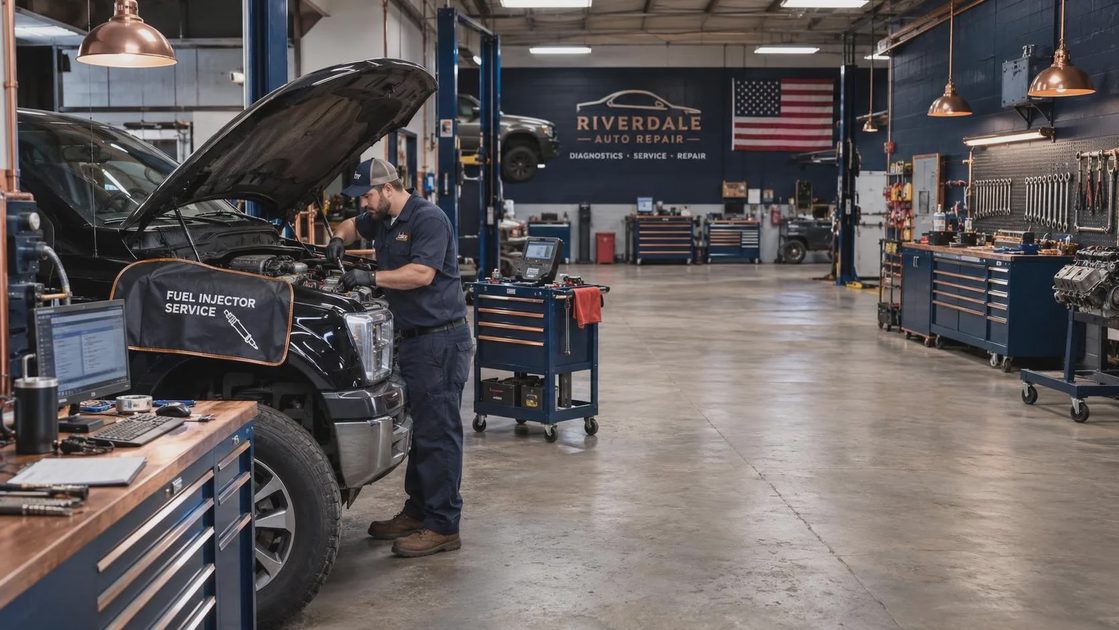
Here's the chemistry, here's the spec, here's what to do with it: deposit-control additives are formulated for specific fuel-system environments; their effectiveness depends on the deposit and the treatment. Use the vehicle manufacturer's fuel recommendation, and follow the cleaner's label and any manufacturer restrictions. More additive is not automatically better.
For gasoline, ASTM D4814 is a fuel specification covering automotive spark-ignition engine fuel. It is not an injector cleaning procedure or a guarantee that a particular additive will fix a driveability problem. Use the applicable vehicle service information for diagnosis.
Professional cleaning may include off-vehicle flow testing and cleaning where the injector design supports it. Ask whether the service provides before-and-after flow results and whether seals and filters are addressed as applicable. Replace an injector that fails the manufacturer's criteria or continues to leak or malfunction after an approved cleaning process.
Replacement and safe handling
Match the replacement fuel injector to the engine and application using the vehicle identification number and the parts catalog. Similar-looking injectors are not necessarily interchangeable. Flow characteristics, electrical control, sealing, and calibration requirements can differ. Some vehicles require injector coding or adaptation after installation; follow the service instructions and verify that the repair resolved the original fault.
Gasoline and diesel fuel are combustible, and gasoline vapors can ignite readily. Work in a well-ventilated area away from flames, sparks, smoking, and hot surfaces. Wear eye protection and chemical-resistant gloves suitable for the fuel or cleaner, and have appropriate spill-control materials available.
Relieve system pressure only as the manufacturer directs. Never loosen a high-pressure line on a running engine or put a hand near a suspected high-pressure leak: injected fluid can penetrate skin and cause a medical emergency. If injection injury is suspected, seek emergency care immediately.
Collect drained fuel and contaminated cleaning liquids in compatible, labeled, closed containers. Do not pour them onto the ground, into a drain, or into a used-oil tank without confirming that the receiving facility accepts the mixture. Local disposal rules and collection programs vary; contact the facility or local waste authority before transport.
No comments yet — be the first to share a thought.