After reading this guide, you will be able to identify what the P0302 code means, separate an ignition fault from a fuel or compression problem, and choose the next test without guessing. The P0302 code is a generic OBD-II diagnostic trouble code for a misfire detected in cylinder 2. The code does not identify the failed part. It tells you where the engine computer sees the combustion problem.
Reference Box: P0302 means cylinder 2 misfire detected. The powertrain control module has detected crankshaft speed changes consistent with incomplete combustion in that cylinder.
A misfire can be intermittent or constant. A flashing malfunction indicator lamp generally indicates a severe active misfire that can overheat and damage the catalytic converter. Reduce engine load and stop driving when it is safe to do so. A steady light still deserves prompt diagnosis, especially if the engine shakes, lacks power, or smells strongly of raw fuel.
What the P0302 code is actually measuring
The engine control module does not watch the flame inside the cylinder directly. It monitors crankshaft acceleration through the crankshaft position sensor. When cylinder 2 fails to produce its expected power during the firing event, the crankshaft slows slightly. The module compares those speed changes with engine position and stores the P0302 code when the pattern crosses its calibrated threshold.
Cylinder numbering is not universal by vehicle layout. On many inline-four engines, cylinder 2 is next to cylinder 1, but the exact location should be confirmed in the service information. On V6 and V8 engines, numbering depends on the manufacturer’s bank and front-of-engine conventions. Never assume the second cylinder you see from the radiator is cylinder 2.
The symptoms can include rough idle, hesitation under load, hard starting, reduced fuel economy, and an exhaust odor caused by unburned gasoline. Some misfires occur only during cold operation or acceleration. A scan tool may show P0302 along with fuel-trim, oxygen-sensor, or ignition-coil codes, and those companion codes can change the diagnostic direction.
Start with ignition and a controlled swap test
On gasoline engines, the ignition system is the first practical inspection. Remove the cylinder 2 coil or plug wire, depending on the design, and inspect for oil in the plug well, cracked insulation, carbon tracking, corrosion, or a loose terminal. Examine the spark plug for a worn electrode, damaged ceramic, heavy deposits, or a wet fuel-fouled tip. Use the correct plug type and gap from the manufacturer rather than relying on a universal gap specification.
A controlled swap test is often more useful than buying parts. Move the cylinder 2 ignition coil to another cylinder, clear the codes, and run the engine through the same conditions that produced the fault. If the misfire changes to the cylinder receiving that coil, the coil is a strong suspect. If the code remains on cylinder 2, return the coil and continue testing. The same approach can work with spark plugs, although swapping old plugs can create confusing results.
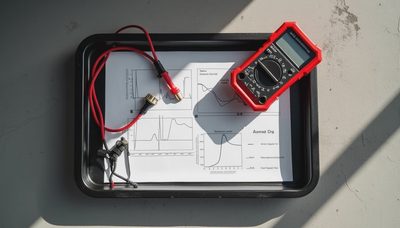
Check coil power, ground, and control signals with a wiring diagram and suitable meter or scope. A coil that passes a static resistance check can still fail under heat and cylinder pressure, so an exchange test or known-good test component is usually more informative than resistance alone.
Fuel delivery and injector checks
If ignition components do not move the fault, investigate fuel delivery. A restricted or electrically failed cylinder 2 injector can create a lean misfire while the other cylinders operate normally. Listen for injector operation with a mechanic’s stethoscope, then compare injector resistance and connector voltage with the service specification. Resistance alone does not prove that the injector is flowing correctly.
An injector balance test measures the pressure drop produced by each injector and can reveal a restricted nozzle or an injector that leaks after shutdown. On some systems, a scan tool can command injector operation. Follow the vehicle procedure carefully because fuel is flammable and pressurized. Wear eye protection, keep ignition sources away, and capture fuel in an approved container if the test requires disconnection.
Fuel contamination is another possibility, particularly after a questionable fill-up or long storage period. Water or debris can affect several cylinders, not just cylinder 2, so inspect the broader pattern. Do not pour random additives into the tank as a substitute for testing. The chemistry of a cleaner does not repair a broken injector driver, damaged wiring, or poor compression.
Compression, vacuum, and mechanical causes
A P0302 code that stays on cylinder 2 after ignition and injector checks requires mechanical testing. Perform a compression test with the throttle open and the battery adequately charged, then compare readings between cylinders. The absolute number matters, but the comparison is often more useful. A cylinder that is substantially lower than its neighbors deserves a leak-down test.
During leak-down testing, listen at the intake, exhaust, crankcase, and cooling system. Air at the intake suggests an intake valve problem; air at the tailpipe points toward an exhaust valve; air from the crankcase can indicate ring or piston damage. Bubbles in the coolant can indicate a head-gasket or cylinder-head concern. Follow shop safety procedures because the engine must be positioned at top dead center and compressed air can rotate components.
Valve-train faults, a worn cam lobe, incorrect valve timing, a damaged rocker, or a sticking valve can all cause a single-cylinder misfire. Excessive oil in the plug well is usually an external sealing problem, while oil on the firing end of the plug may indicate an internal oil-control issue. Use a borescope when piston or cylinder damage is suspected.

Intake leaks, wiring, and data interpretation
A vacuum leak near one intake runner can affect one cylinder more than the others. Look for a split hose, failed manifold gasket, loose fastener, or damaged purge connection. Fuel-trim data can help: positive long-term trim suggests the engine is adding fuel to correct a lean condition, but trim numbers are clues, not proof. Compare data at idle and at a steady elevated speed. A leak near the intake often has a stronger effect at idle.
Inspect the cylinder 2 injector and coil wiring from the connector back to the harness. Chafing near a bracket, corrosion inside a connector, or a broken conductor can create an intermittent P0302 code when the engine moves. A wiggle test performed carefully while watching misfire counters can expose a fault, but do not pull on hot or energized wiring. Repair harness damage with proper terminals, seals, and strain relief rather than twisting wires together and covering them with tape.
Clear the code only after recording freeze-frame data, including engine temperature, load, speed, and fuel trims. After the repair, verify the result with a road test that reproduces the original conditions. Confirm that cylinder 2 misfire counts remain normal and that the readiness monitors are allowed to complete.
A practical diagnostic order
For a typical gasoline engine, begin by confirming cylinder numbering and recording all codes. Inspect the plug, coil, connector, and plug well. Swap the coil and, if appropriate, the plug. If the fault remains, test injector operation and fuel pressure, then check for intake leaks. Proceed to compression and leak-down testing when the electrical and fuel checks do not explain the fault.
This order saves time because it uses reversible tests before expensive repairs. It also prevents a common mistake: replacing an injector or catalytic converter when the actual problem is a cracked spark plug or a coil that fails only when hot. Parts such as a catalytic converter can cost several hundred dollars to more than $1,500, while a proper test may identify a much smaller repair.
If your customer asks, the one-line answer is: the P0302 code identifies a cylinder 2 misfire, not a guaranteed bad spark plug. Here's the chemistry, here's the spec, here's what to do with it: restore reliable spark, correct fuel delivery, or repair the mechanical condition causing incomplete combustion, then verify the repair with scan data and a road test.

No comments yet — be the first to share a thought.