Silverline Exhaust Systems: A Practical Guide to Buying and Installing
If you're looking up Silverline exhaust systems, you likely want to know what the brand offers, whether the upgrade is worth it, and how to pick the right kit for your truck or Jeep. In this guide, we'll cover the Silverline lineup, what to expect during installation, and how to maintain your new exhaust so it delivers sound and performance for years.
What Are Silverline Exhaust Systems?
Silverline builds stainless steel cat-back and turbo-back exhaust systems for popular off-road vehicles and diesel trucks. What sets Silverline apart is the use of mandrel-bent tubing, which keeps the pipe diameter constant through every bend. A consistent internal diameter means exhaust gases move with less turbulence. You get a smoother pressure wave at the tailpipe, which translates into a deeper tone and a slight improvement in throttle response.
If your customer asks, the one-line answer is that Silverline exhaust systems are a direct fit for many Jeep Wrangler, Gladiator, and Ram 2500/3500 models. The brand offers both aluminized and 409 stainless steel options, depending on budget and climate. For anyone in the Rust Belt, stainless is the better choice. I've spent years in Ohio, and road salt will destroy an aluminized system in a few winters.
Why Upgrade Your Exhaust?
A stock exhaust is tuned for quiet operation and low cost. The factory muffler often uses a chambered design that absorbs sound but can also create backpressure. Backpressure isn't always the enemy, but in modern turbocharged engines, reducing restriction lets the turbo spool a little faster. You're not going to gain twenty horsepower from a cat-back system, but a well-designed Silverline exhaust can free up a few ponies and improve gas mileage by a small margin.
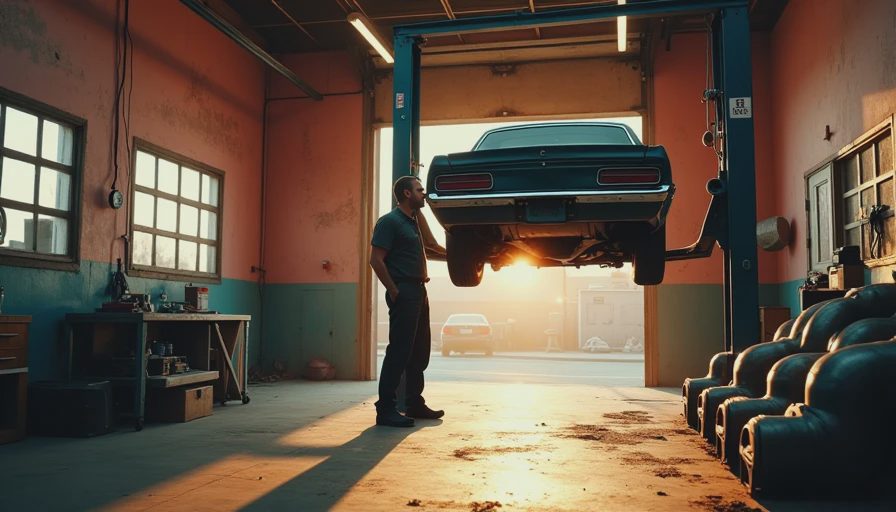
The bigger win for most owners is sound. Silverline systems are known for a deep, aggressive note without the drone that makes highway driving miserable. The difference comes down to the resonator and muffler design. Silverline tunes their chambers to cancel the harsher frequencies, leaving a clean growl under throttle and near silence when cruising.
Reference Box: On the spec sheet, the number that decides it is the pipe diameter. Silverline uses 3-inch and 4-inch tubing across most of its lineup. For a naturally aspirated Jeep engine, 3-inch is plenty. For a diesel that needs to move high volumes of exhaust gas, 4-inch is the better match.
How to Choose the Right Silverline System
Before you buy, confirm the exact model fitment. Silverline lists applications by year and engine, and some kits require a matching intake or tuner to get the full benefit. If you are ordering for a Ram 3500 with a 6.7-liter Cummins, a turbo-back system replaces every inch of pipe from the turbo outlet back. That is a much bigger job than a cat-back, but it is where the real gains live.
Think about your own driving. If you rarely tow and just want a better sound on your daily commute, a cat-back system is the straightforward choice. If you haul heavy loads, the added diameter of a 4-inch turbo-back helps keep exhaust gas temperature under control, which matters for the turbocharger's life.
What to Expect During Installation
Most Silverline exhaust systems are engineered to bolt up to the factory hangers. You will need basic hand tools, a floor jack, and a couple of stands. Plan on a few hours for the first install, as some fasteners can be stubborn. Soak the old bolts with penetrating oil the night before if you have the vehicle in a garage.

Here's the procedure I recommend. Let the exhaust fully cool before you touch anything. Unbolt the old pieces from the catalytic converter or turbo outlet back. Hang the new system loosely first, fitting all clamps before tightening. Tighten from the front to the rear so the system aligns naturally. Check clearance near the spare tire and rear axle to prevent rattles.
The simple instruction is this: do not fully tighten any single clamp until everything is in place. The rubber hangers allow movement, but a misaligned clamp creates leaks. A leak at the joint will cost you sound quality and can let exhaust fumes reach the cab.
Maintenance and Common Questions
Silverline exhaust systems are low maintenance, but they are not no-maintenance. Stainless steel can still discolor and develop surface rust in harsh climates, especially around weld areas. Clean the tips occasionally with stainless polish. Inspect the hanger bushings once a year; they are cheap to replace and prevent the system from sagging.
If your customer asks, the one-line answer is that Silverline exhaust systems do not require a tune for cat-back installs. Turbo-back systems on emissions-controlled vehicles will need a tuner or programmer to clear check-engine lights caused by removed emissions equipment. Understand what your state requires before you cut out a diesel particulate filter or catalytic converter. In many places, removal of emissions equipment is illegal, and it will not pass a safety inspection.
Final Thoughts
Choosing Silverline exhaust systems comes down to fitment, ambition, and budget. Cat-back kits run in the four-to-six-hundred-dollar range at most retailers, while full turbo-back systems can go well past a thousand. That price difference reflects part count and materials, not necessarily build quality. A cat-back install is a good weekend project; a turbo-back install on a heavy-duty truck is a bigger commitment.
If you want a dependable, good-looking exhaust with a deep tone and a direct fit, Silverline is a solid name. Measure your goals, verify the part number for your exact vehicle, and give yourself time for the install. The result is a truck that sounds right and performs a little better, and that is a satisfying feeling.

No comments yet — be the first to share a thought.