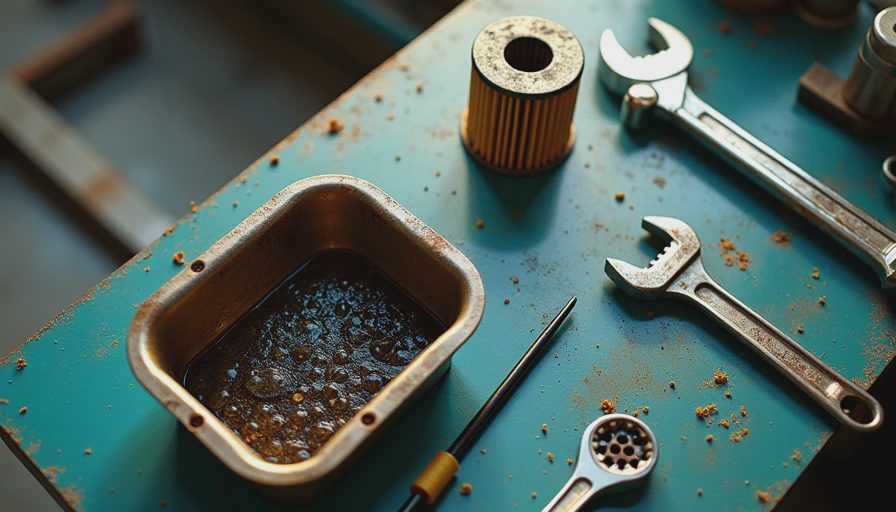
If you are trying to answer **what does metal shavings in oil mean**, this post is meant to give you a fast, shop-usable reference. You will be able to tell the difference between normal fine wear material and a warning sign of internal damage, identify where the metal likely came from, and decide what to inspect next. Here's the chemistry, here's the spec, here's what to do with it.
In plain terms, metal in engine oil means parts inside the engine are wearing and shedding material into the lubricant. A tiny amount of very fine metallic debris can be expected in some situations, especially after break-in or after a recent repair. Larger flakes, visible shavings, or a glittery drain pan are different. Those usually point to abnormal wear involving bearings, rings, camshafts, lifters, timing components, or oil pump parts.
What metal in oil can be normal, and what is not
Engine oil is designed to carry contaminants in suspension until the filter captures them. That includes soot, oxidation byproducts, and a limited amount of wear metal. On a fresh engine or one that just had major internal work, a small amount of very fine metallic paste on the drain plug magnet can be normal. Manual transmissions and differentials show this more clearly, but engines can as well.
What is not normal is material you can easily feel between your fingers, bright flakes in drained oil, copper-colored particles, or enough debris to sparkle in direct light. That suggests active mechanical distress rather than routine rubbing wear. If your customer asks, the one-line answer is: fine fuzz can be acceptable, but chips, flakes, or glitter usually mean trouble.
Reference Box:
API engine oil categories such as SP describe oil performance, not an acceptable amount of visible metal debris. Oil condition and wear metal level are better confirmed by used oil analysis under ASTM test methods.
What the color and type of metal usually point to
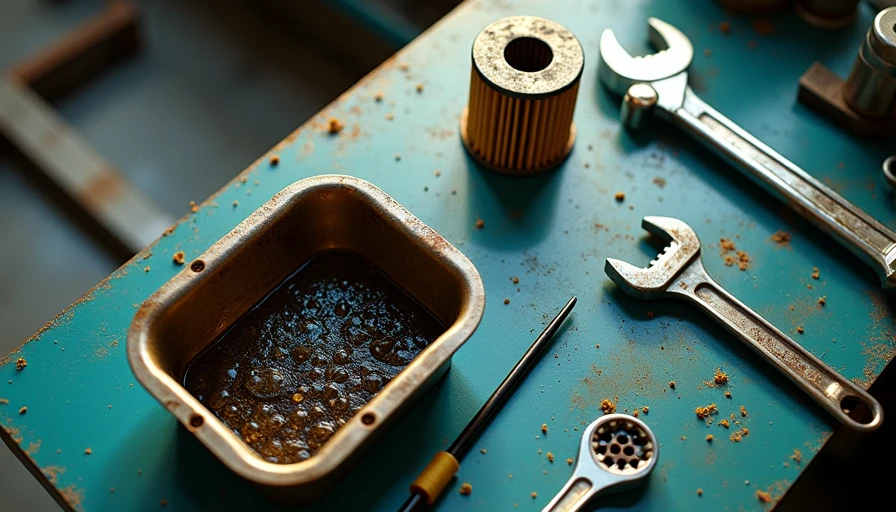
The appearance of the material matters. Silvery or gray fine particles often come from ferrous components such as cam lobes, crankshaft surfaces, timing chains, or cylinder walls. If a magnetic drain plug picks it up, that is one clue the material is iron or steel based. Aluminum particles are usually silver but nonmagnetic and may point toward pistons, some bearing housings, or front cover and oil pump housing wear.
Copper or bronze-colored material is more concerning because it can indicate bearing overlay or bushing wear. Many engine bearings are multi-layer parts. Once wear gets through the soft top layer, copper-toned debris can appear. That is not something to ignore. A gold or brass tint can also come from thrust surfaces or bushings depending on engine design.
Reference Box:
ASTM D5185 is a common elemental analysis method used in oil analysis labs to measure iron, copper, aluminum, lead, and other wear metals in used oil.
Common causes of metal shavings in engine oil
When people ask **what does metal shavings in oil mean**, the answer usually comes back to one of five causes: break-in wear, poor lubrication, contamination, overload, or failing parts. Break-in wear is the least serious if the engine is new or freshly rebuilt and the amount drops quickly at the next service. Poor lubrication is more serious and can result from low oil level, wrong viscosity, a restricted pickup, foaming, fuel dilution, coolant contamination, or extended drain intervals.
Contamination is another major cause. Dirt entering through a bad air intake seal acts like abrasive compound in the engine. Coolant in oil strips away film strength and accelerates bearing damage. Overheating also thins oil and weakens the protective film. Finally, a hard part failure such as a wiped cam lobe, stretched timing set, failing bearing, or damaged oil pump can create visible shavings fast.
On the spec sheet, the number that decides it is viscosity grade and OEM approval, not just brand name. SAE J300 defines viscosity grades, and using the wrong grade can reduce film thickness where the engine needs it most.

How to diagnose the source before authorizing major repairs
Do not jump straight from glittery oil to full engine replacement. Start with a controlled inspection. Cut open the oil filter and spread the media. A filter cutter is the right tool; avoid hacksaw debris contaminating the sample. Look for ferrous fuzz, nonmagnetic flakes, and copper-colored particles. Check whether the drain plug magnet has soft paste, sharp chips, or nothing at all.
Next, listen for supporting symptoms: cold-start knock, rod knock under load, valvetrain ticking, timing chain rattle, low oil pressure, or misfire. Review service history too. Was the oil badly overdue? Was the wrong viscosity installed? Was there a recent coolant loss? If the engine still runs, used oil analysis is often worth the money because it can show whether iron, copper, lead, aluminum, fuel dilution, silicon, or glycol contamination is trending high.
Reference Box:
SAE J300 covers engine oil viscosity classification. ASTM D445 measures kinematic viscosity, and labs often pair that with wear metal screening to build the full picture.
What to do next, and when it is safe to keep driving
If the material is only a light magnetic fuzz after break-in or after internal engine work, change the oil and filter, document what you saw, and recheck at a short interval. If there are visible flakes, copper-colored debris, dropping oil pressure, new mechanical noise, or a filter loaded with metal, stop driving the vehicle until it is diagnosed. Continuing to run it can turn a repairable top-end problem into a complete bottom-end failure.
For shops and fleets, this is where a short decision tree helps. If the engine is quiet and oil pressure is normal, pull a sample and inspect the filter first. If noise and low pressure are present, move toward teardown sooner. For DIY owners, the practical move is simple: do not ignore shiny oil, and do not assume the filter will take care of it.
Used oil must be handled correctly. Drain into a clean, labeled container, avoid skin contact, clean spills promptly, and take waste oil and the used filter to a proper recycling point. In the U.S., used oil management is generally regulated under EPA standards in 40 CFR Part 279.
When someone asks **what does metal shavings in oil mean**, the short answer is internal wear, with severity depending on the amount, size, color, and symptoms that go with it. Fine paste can be manageable. Glitter, flakes, and copper are escalation signs. Here's the chemistry, here's the spec, here's what to do with it: inspect the filter, check the magnet, verify oil condition, and do not keep driving an engine that is actively making metal.



No comments yet — be the first to share a thought.