This guide will help you look up the first fluid checks for Duramax repair, identify symptoms that need immediate attention, and find the oil, coolant, and fuel requirements for the engine in front of you. Start with the model year, vehicle, engine displacement, and VIN; Duramax covers more than one diesel engine family. A low fluid level or warning light is a diagnostic starting point, not proof that a particular part has failed.
Start with the symptom, not the parts catalog
For Duramax repair, separate a maintenance concern from a condition that could damage the engine. Shut the engine off as soon as it is safe if the oil-pressure warning stays on, the engine is severely overheating, or you hear a sudden heavy knock. Have the vehicle towed rather than assuming fresh oil or coolant will make it safe to drive.
A hard start, rough idle, smoke, fluid loss, or a check-engine light calls for a more measured inspection. Record the conditions: cold or warm engine, recent fuel fill, load, and whether the problem appeared after service. Scan for stored and pending diagnostic trouble codes before disconnecting the battery or clearing anything. A code points to a system or measured condition; it does not, by itself, condemn a sensor, injector, or pump.
Check engine oil on level ground using the procedure in the owner's manual. Note whether the level is low, above the full mark, or has risen since the last service. A rising level can indicate fuel dilution or another contamination issue; don't add oil to an already overfilled crankcase. Arrange a proper diagnosis, particularly if the oil smells strongly of fuel or the engine is running poorly.
Choose engine oil by specification
Reference Box: SAE J300 defines engine-oil viscosity grades. An API service category describes a set of performance requirements. Neither number alone replaces the vehicle manufacturer's oil specification.
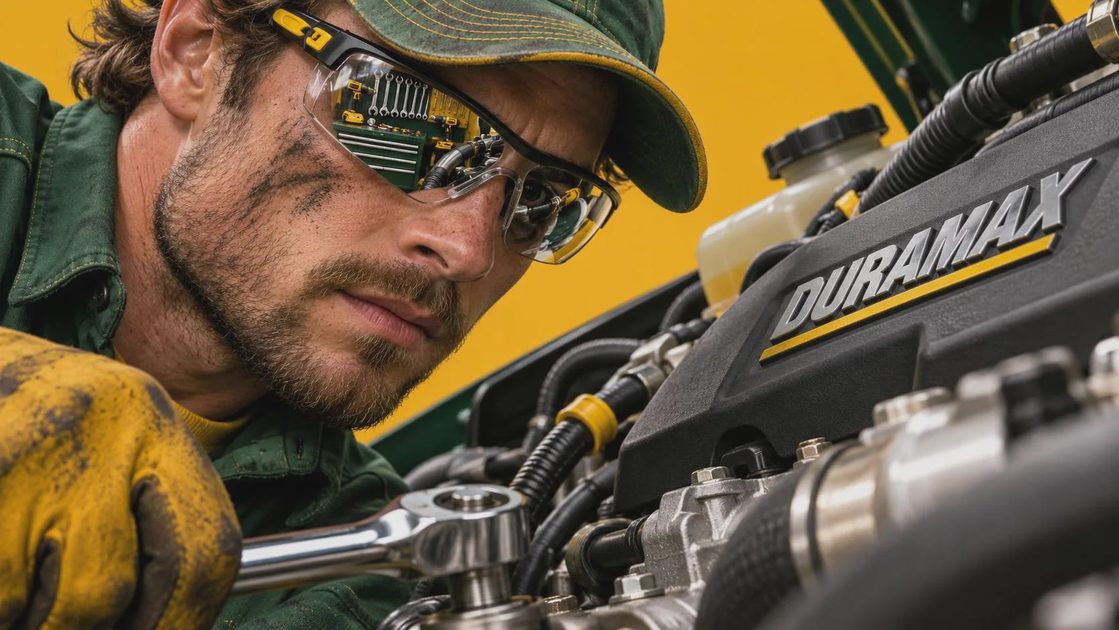
For a Duramax repair involving an oil change or suspected lubrication problem, use the owner's manual for the exact vehicle and engine. Find the required viscosity, any applicable GM oil specification, and the oil-change capacity and filter procedure. Ambient temperature and operating conditions may affect the permitted viscosity choices. Do not transfer a specification or capacity from another Duramax simply because both engines burn diesel fuel.
API CK-4 and API FA-4 are different diesel engine oil categories, not interchangeable labels. FA-4 oils are formulated for a lower high-temperature, high-shear viscosity range than CK-4 oils. Use FA-4 only where the manufacturer specifically permits it. The API category and any required GM approval should be visible on the oil container or supported by the supplier's documentation.
Here's the chemistry, here's the spec, here's what to do with it: soot, fuel dilution, oxidation, and coolant contamination can change how oil protects an engine. An oil analysis can help investigate a trend, but it cannot locate a failed component by itself. Tell the lab the oil's service time, engine hours or miles, and any recent top-offs. If coolant or significant fuel contamination is suspected, investigate the source rather than treating the sample report as a repair.
Coolant loss and overheating
A useful Duramax repair inspection starts cold. Check the reservoir level against its markings and look for dried residue, wet hose connections, damaged hoses, and leaks around accessible components. Never remove a pressure cap from a hot cooling system; pressurized coolant can cause severe burns.
If the level keeps falling without an obvious external leak, a shop can pressure-test the cooling system and use the appropriate diagnostic procedure to investigate internal leakage. Combustion-gas testing and other checks may be appropriate, but a single symptom such as bubbles in the reservoir is not enough to declare a head gasket failure. Trapped air, filling procedure, and other faults also need consideration.
Reference Box: Coolant color is not a reliable compatibility specification. Match the coolant type and mixture to the vehicle manufacturer's requirements, not the color already in the reservoir.
Use the specified premix or mix concentrate with water of the quality the manufacturer recommends. Do not pour in a universal additive or stop-leak as a substitute for finding the leak. Mixing incompatible products can complicate diagnosis and may affect corrosion protection. If the fluid's identity is uncertain, document what was added and follow the applicable service procedure for correcting it.
Fuel, filters, and starting complaints
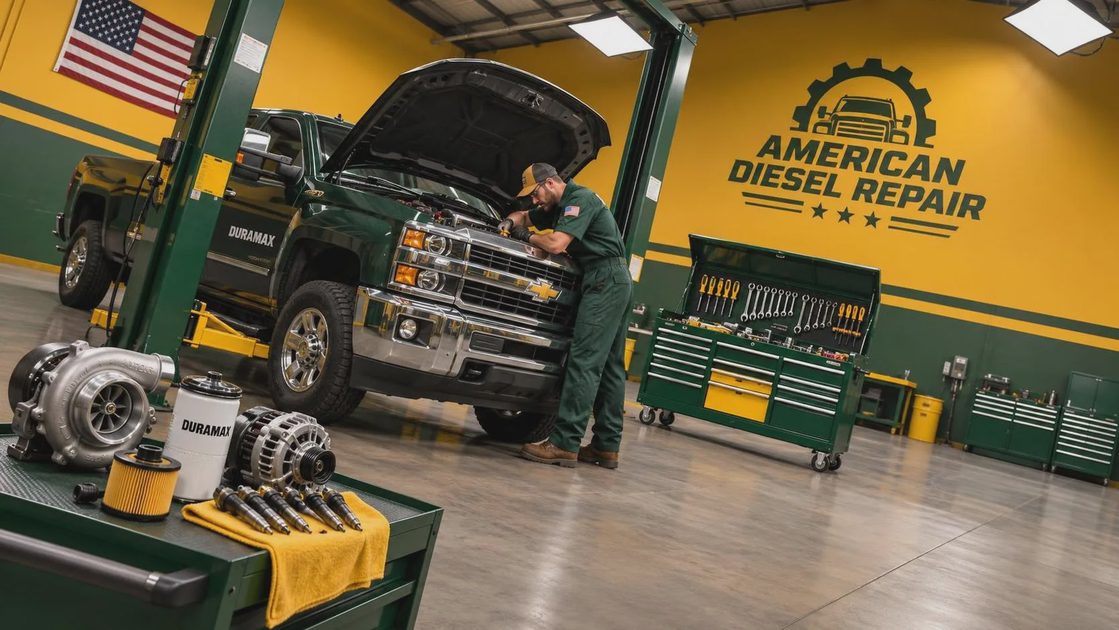
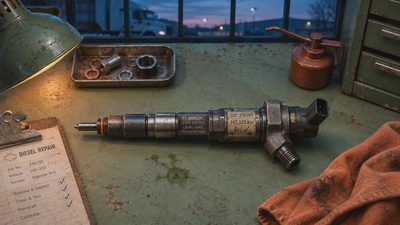
Before authorizing major Duramax repair for a no-start or loss of power, check the basics appropriate to the vehicle: fuel level, battery condition, filter service history, visible leaks, and diagnostic codes. A restricted fuel filter, air entering the fuel system, contaminated fuel, and electrical faults can produce overlapping symptoms. Follow the vehicle-specific test procedure instead of replacing expensive fuel-system parts on suspicion.
Diesel fuel can contain water or other contamination. If a water-in-fuel warning appears, follow the manual's draining and service instructions promptly. Catch the drained material in a suitable container; don't release it onto the ground. If gasoline was added to a diesel tank, avoid starting the engine and arrange for the fuel system to be assessed and drained as directed by a qualified shop.
High-pressure common-rail fuel systems present a serious injection-injury hazard. Never loosen a high-pressure fuel line with the engine running or use a hand to search for a leak. Diagnosis and depressurization belong to the service procedure for that system. A suspected injection injury is a medical emergency, even if the initial wound looks small.
What to document before service
For efficient Duramax repair, give the technician the VIN, mileage, engine hours if available, fault codes, recent maintenance, and the exact fluids added. Note whether the vehicle tows, idles extensively, or operates in cold weather. These details help distinguish a fluid-selection issue from a mechanical or electrical fault and help the shop apply the right service schedule.
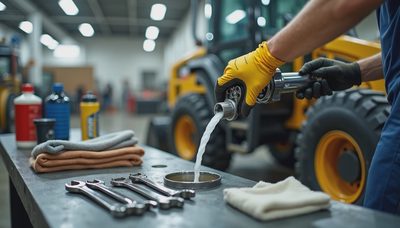
Keep used oil, coolant, and drained fuel in separate, clearly labeled, compatible containers with secure lids. Wear chemical-resistant gloves and eye protection when handling fluids, clean spills promptly, and keep children and animals away. Do not mix waste fluids or put them down a drain. Take them to a collection facility that accepts each material; businesses should follow applicable federal, state, and local waste rules.
If your customer asks, the one-line answer is: identify the engine, document the symptom, verify its required fluids, and test before replacing parts. That sequence makes the repair more defensible and protects the next person who services the vehicle.
No comments yet — be the first to share a thought.