This guide explains what a technician or serious DIY owner can look up when a GMC Acadia shakes, hunts, or nearly stalls at idle. An effective Acadia rough idle fix starts with separating an air, fuel, ignition, mechanical, or control problem instead of replacing parts by guesswork. The engine may idle poorly only when cold, only after warm-up, or whenever the air conditioning compressor loads the engine. Those details are diagnostic evidence.
The first step is to record the year, engine, mileage, warning-light status, and exact symptom. Acadia engines and control systems differ by generation, so a 2008 3.6-liter V6 does not receive the same inspection sequence as a newer turbocharged model. Pull diagnostic trouble codes before clearing them, and save freeze-frame data. A code such as P0302 points toward a cylinder-specific misfire, while P0171 suggests a lean condition, but neither code automatically identifies the failed part.
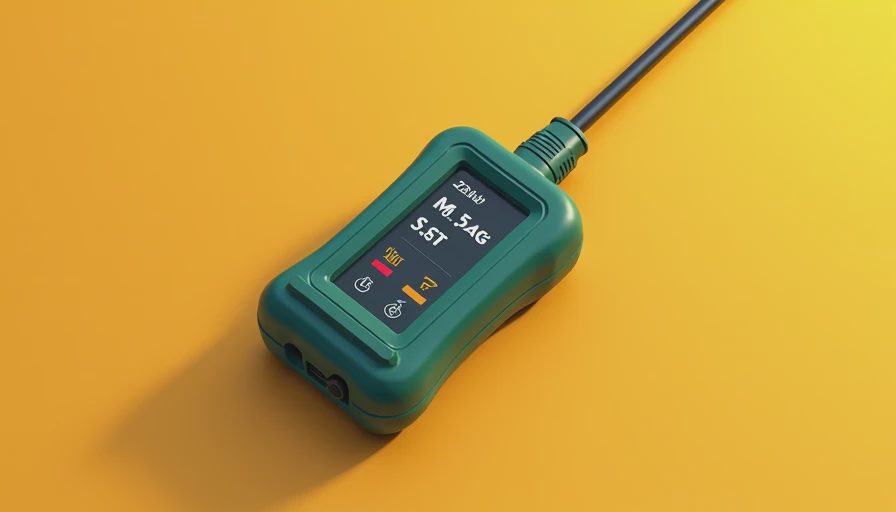
Start with the Symptom and Scan Data
A rough idle that improves above 1,500 rpm often points toward a vacuum leak, dirty throttle body, weak injector, or ignition problem. At higher speed, the engine has more airflow and rotational momentum, which can hide a small imbalance. A rough idle that gets worse under load deserves attention to ignition output, fuel delivery, and engine mounts. If the tachometer rises and falls repeatedly, look at commanded idle speed, short-term fuel trim, and long-term fuel trim on a capable scan tool.
Reference Box: Fuel trim is the control system's correction for the mixture. Large positive trim means the computer is adding fuel, often because unmetered air is entering or fuel delivery is low. Large negative trim means it is removing fuel, which can indicate excess fuel or a biased sensor.
Check whether the roughness is present in Park, Neutral, and Drive. A small vibration that appears only in Drive can be a mount or load issue, while a misfire that remains in every gear is more likely an engine operating problem. Do not disconnect the battery before recording codes and adaptive data; doing so can erase useful clues and force the vehicle to relearn idle behavior.

Inspect Air Leaks and the Throttle Body
For many Acadia owners, the most efficient Acadia rough idle fix begins with a careful air-leak inspection. Examine the intake duct between the mass airflow sensor and throttle body for splits, loose clamps, or a collapsed section. Inspect the PCV plumbing, brake-booster hose, intake-manifold sealing area, and purge-valve hose. A smoke test is safer and more reliable than spraying flammable chemicals around a hot engine. If smoke appears at a hose connection or gasket, repair that leak before condemning sensors.
A dirty throttle body can restrict the small amount of air needed at closed throttle. Carbon deposits around the throttle plate can make idle control unstable, particularly after battery replacement or cleaning. Follow the service procedure for the specific year: electronic throttle bodies contain motors and position sensors, and forcing the plate open can cause damage. Use a cleaner approved for throttle-body components on a suitable cloth, avoid flooding the electronics, and complete the required idle or throttle relearn with a scan tool when specified.
A purge valve stuck open can imitate a vacuum leak. Pinching or temporarily isolating the purge hose during diagnosis can help confirm the direction of the test, but the valve should be replaced only after the test results support it. Never leave a diagnostic bypass in place for normal driving.
Test Ignition, Fuel, and Engine Condition
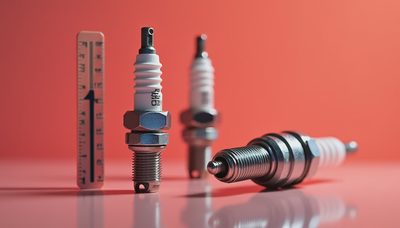
A second common Acadia rough idle fix involves finding a weak spark rather than changing all six plugs. Review misfire counters and move a suspect ignition coil to another cylinder if the design and access allow it. If the misfire follows the coil, the coil is a strong suspect. If it stays with the original cylinder, inspect the plug, connector, injector, compression, and wiring. Use the correct spark plug type and gap listed for the engine; a plug that looks similar on the shelf is not automatically suitable.
Fuel pressure must be tested against the vehicle's service specification, not against a generic number. Low pressure can come from a restricted filter arrangement, failing pump, poor electrical supply, or control problem. A clogged injector can create a lean cylinder, while a leaking injector can create a rich cylinder and oil-fuel contamination. Injector balance testing is more useful than pouring cleaner into the tank when one cylinder repeatedly misfires.
For a persistent single-cylinder problem, perform compression testing and, when necessary, a leak-down test. Air heard at the intake, exhaust, or crankcase points toward different mechanical faults. A coolant-level loss, white exhaust after warm-up, or repeated cooling-system pressurization requires a more serious investigation before continued driving.
Use Oil and Fluid Clues Correctly
Engine oil rarely causes a simple vacuum-style rough idle, but lubricant checks can reveal related trouble. Verify the level on a level surface using the correct procedure, then inspect the oil for fuel smell, unusual thinning, metallic debris, or coolant contamination. Fuel dilution can occur when an engine has repeated misfires or an injector problem, reducing viscosity and increasing wear risk. Correct the cause and change contaminated oil with the viscosity and performance specification listed in the owner's manual.
Do not pour transmission fluid, solvent, or an unapproved additive into the crankcase as an improvised Acadia rough idle fix. Modern engine oils use balanced detergent, dispersant, antioxidant, and antiwear packages. An aftermarket chemical can alter that balance, damage seals, or create a false sense that the underlying fault has been repaired. API licensing and the automaker's oil specification matter more than bottle color or a vague “high mileage” label.
If coolant is low, find the leak rather than topping it repeatedly. Never open a pressurized radiator or surge tank when hot. Wear eye protection, collect drained fluids, and store used oil and coolant in separate labeled containers. Most parts stores or local recycling programs accept used motor oil; do not pour it onto soil, into a drain, or into stormwater.
A Practical Diagnostic Sequence
The best Acadia rough idle fix is usually the result of an orderly sequence. First, interview the driver and reproduce the symptom safely. Second, scan for codes and examine freeze-frame data. Third, inspect intake hoses, wiring, grounds, fluid levels, and obvious damage. Fourth, compare fuel trims at idle and at approximately 2,500 rpm. A trim that improves at higher rpm supports a vacuum-leak theory, while trim that remains high can point toward fuel delivery or airflow measurement.
Next, test ignition output and cylinder contribution. Then test fuel pressure, injector operation, and compression as the evidence requires. Clear codes only after documenting them, and perform a road test that includes cold start, warm idle, acceleration, and Drive engagement. Recheck for pending codes and confirm that the repair changed the original symptom.
A customer asking for an Acadia rough idle fix usually wants a part number immediately. The professional answer is more useful: identify whether the engine is losing measured air, fuel, spark, compression, or stable control. That approach prevents an unnecessary throttle body, oxygen sensor, pump, or coil purchase.
When to Stop Driving
A mild vibration with no warning light can often wait for a scheduled diagnosis, but a flashing check-engine light indicates an active misfire that can overheat and damage the catalytic converter. Stop driving if the vehicle stalls in traffic, loses power, overheats, smells strongly of raw fuel, or shows low oil pressure. Towing is cheaper than turning a manageable ignition or fueling fault into catalytic-converter, bearing, or engine damage.
Here's the chemistry, here's the spec, here's what to do with it: use the scan data to direct the mechanical tests, use the correct fluids to protect the engine, and treat every successful Acadia rough idle fix as a verified repair rather than a guess.


No comments yet — be the first to share a thought.