This guide gives you a practical lookup for Nissan 5.6 engine problems, especially those affecting the VK56DE and VK56VD V8 engines used in the Titan, Armada, Pathfinder, QX56, and QX80. You will find the symptoms that matter, the fluid checks worth doing first, common mechanical causes, and a sensible order for diagnosis. The goal is not to label every noise as a failed engine. It is to separate a low-cost maintenance issue from a repair that needs compression, oil-pressure, or timing-system testing.
Reference Box: The VK56 is a large-displacement V8, but displacement does not change the basics. Correct oil viscosity, adequate oil pressure, clean coolant, and a properly sealed intake and exhaust system are the starting points.
Which Nissan 5.6 Problems Show Up Most Often
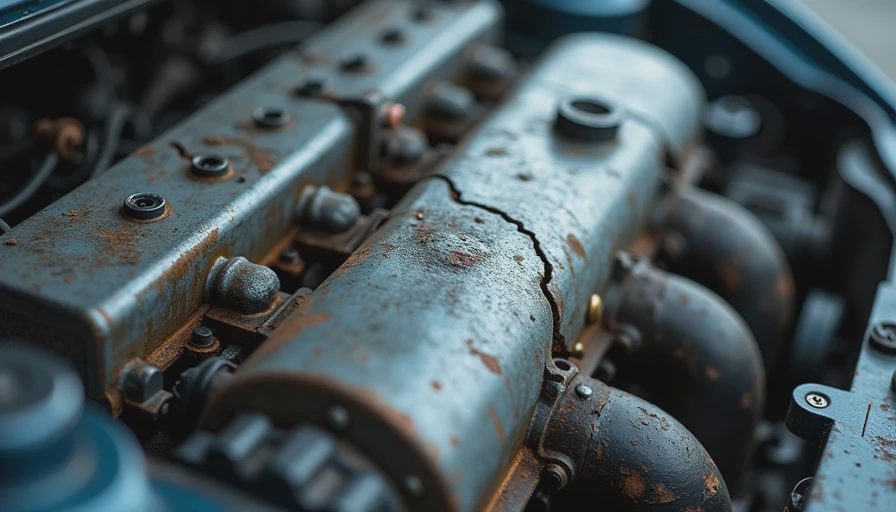
The most common complaints include oil consumption, oil leaks, rough idle, hard starting, reduced power, overheating, and a rattling sound during startup. Some vehicles develop exhaust manifold leaks from cracked manifolds or broken fasteners. That problem can sound like a valve or timing-chain knock when the engine is cold, so listen at the exhaust manifolds before authorizing internal work.
Timing-system noise deserves more attention. A brief rattle at startup can come from a worn chain tensioner, guide, or delayed oil pressure, while a persistent rattle can indicate a timing problem that could affect valve timing. Nissan 5.6 engine problems also include camshaft or crankshaft position sensor faults, which can cause stalling, extended cranking, or a no-start condition.
A warning light does not identify the failed part by itself. Codes such as P0340, P0335, or mixture-related codes are clues. Confirm power, ground, wiring, mechanical timing, and actual engine behavior before replacing a sensor.
Oil Consumption and Lubrication Checks
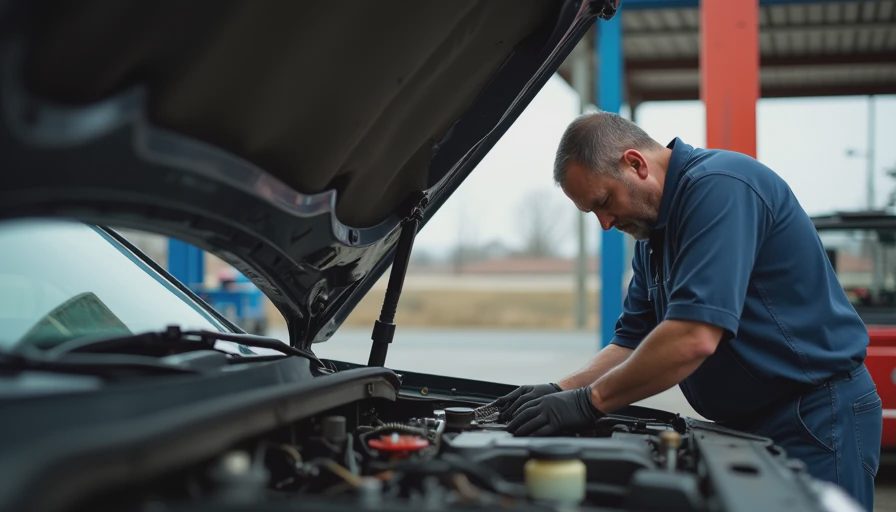
Oil consumption is one of the Nissan 5.6 engine problems that requires measurement rather than guesswork. Record the mileage, fill the crankcase to the marked level, and recheck it under the same parking conditions after 500 to 1,000 miles. Inspect the rear main area, front cover, valve covers, oil cooler area, and drain plug for external leakage. Blue exhaust smoke, oily spark-plug wells, or heavy deposits inside the intake can point toward internal consumption.
Use the viscosity and performance category listed in the owner manual for that exact year and application. Many engines in this family use a light multigrade oil, but the specified grade is not identical across every Nissan truck and Infiniti SUV. An oil carrying the required API category, such as API SN or API SP where applicable, is more important than choosing a product based only on color or marketing language.
Reference Box: SAE viscosity describes flow behavior at specified temperatures; it does not prove that an oil meets the engine maker's complete requirements. Do not use a thicker oil to hide low oil pressure without testing the pressure and finding the cause.
Cooling System and Overheating Diagnosis
Overheating can turn a manageable cooling fault into warped cylinder heads or damaged head gaskets. Check the coolant level only when the engine is cold. Look for crusted deposits around hose connections, the radiator, thermostat housing, water pump area, and reservoir. A cooling-system pressure test can reveal a slow external leak that never leaves a large puddle.
If the temperature rises at idle, inspect airflow, fan operation, radiator condition, and coolant circulation. If it rises during highway driving, consider restricted radiator flow, a thermostat problem, low coolant, or combustion gases entering the cooling system. A chemical block test can help identify combustion gas in the radiator neck, but follow it with pressure, compression, or leak-down testing before deciding on a head-gasket repair.
Do not open a hot radiator or reservoir. Ethylene glycol coolant is poisonous, and used coolant should be collected in a labeled container and taken to an approved household hazardous-waste or automotive recycling location. Never pour it onto soil or into a storm drain.
A Step-by-Step Diagnostic Order
When Nissan 5.6 engine problems are reported, begin with the customer's exact symptom: cold start, hot restart, acceleration, idle, towing, or steady cruising. Scan for stored and pending codes, freeze-frame data, and misfire counters. Then verify battery voltage, charging voltage, fluid levels, visible leaks, and air-filter condition.
For a misfire, swap the suspected ignition coil with another cylinder only when the design and access make that test appropriate. If the misfire follows the coil, the coil is suspect. If it stays put, inspect the spark plug, injector control, compression, and valve-train condition. A compression test compares cylinders; a leak-down test helps locate leakage through the intake valve, exhaust valve, rings, or head gasket.
For noise, use a mechanic's stethoscope carefully and compare the front cover, valve covers, accessories, and exhaust manifolds. For suspected lubrication failure, install a mechanical gauge and compare hot idle and higher-speed pressure with the service information. Replacing an oil-pressure sensor without checking real pressure is an expensive way to postpone the diagnosis.
Repair Costs and Parts Decisions
Repair pricing depends heavily on access and whether the engine has suffered secondary damage. A sensor, spark plug, or ignition coil repair may fall in the roughly $100 to $500 range at an independent shop. Exhaust manifold or broken-fastener work can run from several hundred dollars to well over $1,500 when extraction is difficult. Timing-chain work commonly reaches $1,500 to $3,500 or more because the front of the engine must be opened and related components should be inspected together.
A failed water pump, radiator, or thermostat is usually less costly than internal engine work, but continued overheating changes the calculation quickly. If compression is low in several cylinders, oil pressure is inadequate, or coolant and oil are mixing, obtain a written estimate that separates diagnosis, parts, machine work, and labor. A used engine can cost less initially, while a remanufactured unit generally offers more defined inspection and warranty terms.
Use the VIN when ordering sensors, gaskets, chains, and fluid filters. Nissan 5.6 engine problems span multiple generations, and a part that fits one VK56 application may not match another connector, calibration, or emissions configuration.
Preventive Service That Actually Helps
Keep oil changes on a schedule suited to the vehicle's use, especially when it tows, idles for long periods, or makes repeated short trips. Record the brand, viscosity, API category, filter part number, date, and mileage. A good filter cannot correct a worn engine, but a correct filter and clean oil reduce avoidable contamination and protect hydraulic tensioners and cam-control components.
Inspect the cooling system before summer towing, replace damaged hoses, and use the coolant chemistry specified for the vehicle. Do not mix incompatible coolant technologies simply because the colors look similar. When draining fluids, wear gloves and eye protection, contain spills with absorbent material, and store used oil in a sealed, clearly labeled container for recycling.
The useful answer to Nissan 5.6 engine problems is a test result, not a parts-counter guess. Start with scan data, fluid condition, leaks, pressure, and compression. Here's the chemistry, here's the spec, here's what to do with it: verify the basics, isolate the symptom, and repair the confirmed failure before spending money on assumptions.


No comments yet — be the first to share a thought.