After this guide, you should be able to look up the right motor oil grade, read the key performance markings, and explain when to change and dispose of it. Start with the vehicle owner's manual: match the required SAE viscosity and the specified performance standard or manufacturer approval. A familiar viscosity alone does not establish that an oil is suitable.
What motor oil does inside an engine
Motor oil separates moving surfaces, carries heat away from components, helps control deposits, and holds some contaminants in suspension until the filter or an oil change removes them. It also helps protect metal from corrosion. No single ingredient does all that work: the finished fluid combines base oils with an additive package designed for a particular set of performance requirements.
Here's the chemistry, here's the spec, here's what to do with it. An oil film can separate surfaces when operating conditions allow it to build sufficient thickness. During startup or under high loads, surfaces can come closer together, and antiwear additives help limit damage. That is one reason viscosity and additive performance both matter.
Reference Box: Base oil is the foundation; additives supply or improve properties such as wear protection, oxidation resistance, and deposit control. Neither the base oil description nor the viscosity grade tells the whole performance story.
Read the viscosity grade first
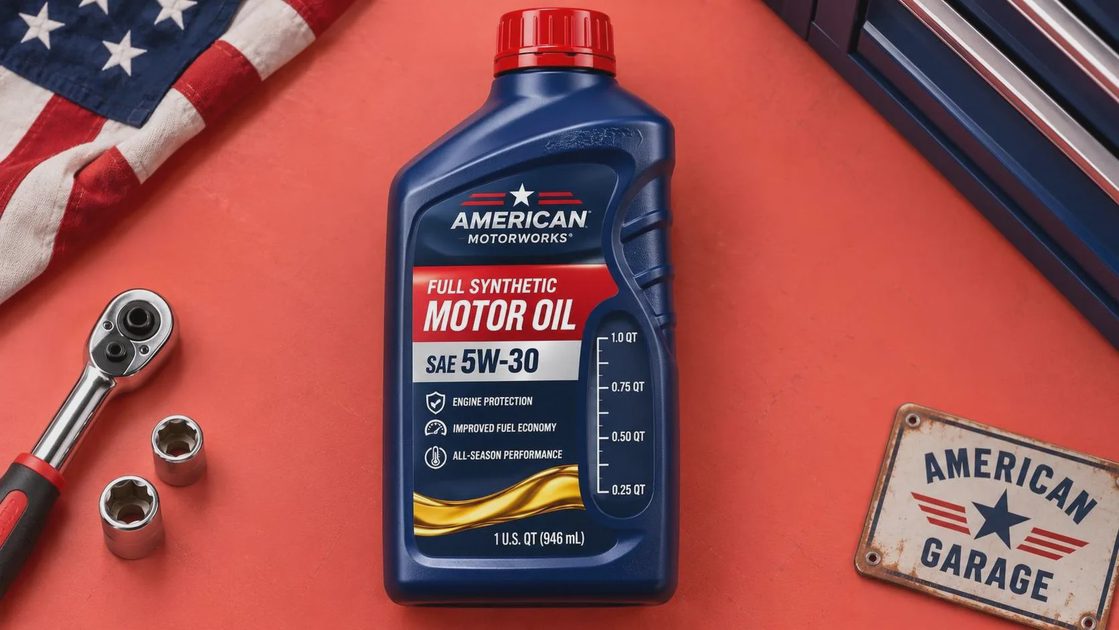
SAE J300 defines the viscosity classifications used for engine oils. In a grade such as SAE 5W-30, the number before the W relates to low-temperature performance; the W means winter. The number after it identifies a viscosity grade at operating temperature. A 5W-30 must meet defined requirements for both parts of that classification.
A lower winter grade can help with cold starting, but it does not give you permission to disregard the manufacturer's specified grade. Likewise, a higher second number is not automatically better protection. Engine design, operating conditions, oil flow, and the required specification all matter. Some manuals allow different grades for different temperatures or operating conditions; follow the applicable chart.

Reference Box: SAE J300 classifies viscosity. It does not, by itself, certify that motor oil meets an engine manufacturer's wear, deposit, emissions-system, or durability requirements.
Check the performance specification and approval
After viscosity, look for the performance requirements listed in the manual. Depending on the vehicle, these may include an API service category, an ILSAC specification, an ACEA oil sequence, or a vehicle manufacturer's own approval. Diesel applications may call for a particular API diesel category or an engine-maker specification. Copy the complete designation rather than shopping from memory.
The API service symbol, often called the donut, displays the applicable service category and viscosity grade. Some eligible gasoline-engine oils also carry the API certification mark, often called the starburst. These marks are useful, but they do not replace a manufacturer-specific approval when the manual requires one.
Read the wording on the container or product documentation carefully. A claim that an oil is suitable for an application is not necessarily the same as a formal approval from the engine manufacturer. When approval is required, look for the exact approval designation and verify it against the manufacturer's published information if there is any doubt.
For example, two containers of 5W-30 motor oil can meet different performance specifications. Both have the same SAE grade, but only the one meeting the vehicle's other requirements belongs on that service ticket. On the spec sheet, the number that decides it is the exact designation in the manual—not the largest claim on the front label.
Synthetic, conventional, and oil changes
Synthetic and conventional descriptions tell you something about how the base oils are made, but they are not substitutes for the required service specification. A synthetic blend combines synthetic and conventional base oils; the phrase alone does not establish the proportions. Use the oil type and specification the manufacturer calls for, particularly where a formal approval is required.
Do not assume synthetic motor oil can stay in every engine for the same extended interval. Follow the vehicle's oil-life monitor or maintenance schedule, including any applicable time limit. Short trips, extensive idling, dusty operation, towing, and other severe service can change the prescribed interval; the manual defines which schedule applies.
Change the filter as specified as well. Record the date, mileage or engine hours, oil grade, specification, and quantity on the work order. For fleet equipment, engine hours and duty cycle can matter more than mileage alone. Oil analysis can help a fleet investigate trends, but one sample should not automatically override the manufacturer's requirements or a documented maintenance program.
Check the level and handle top-offs
Use the checking procedure in the owner's manual. Many engines use a dipstick, while others provide an electronic reading; the required engine temperature and waiting time can differ. Park on level ground when the procedure calls for it. On a dipstick-equipped engine, wipe the stick, reinsert it fully, then read the level against the marked range.
Add motor oil in small amounts and recheck rather than filling past the upper mark. Overfilling can cause problems, so do not treat the maximum mark as a target to exceed. If the level falls repeatedly, investigate consumption or leaks instead of treating frequent top-offs as a repair.
For routine top-offs, use an oil that meets the same requirements as the service fill. If the correct oil is unavailable and the level is dangerously low, consult the owner's manual for its emergency guidance. A top-off does not reset the oil-change interval, and mixing oils cannot be relied on to create a finished blend that carries a particular approval.
Protect people and manage used oil
Wear appropriate protective gloves and avoid prolonged skin contact with both fresh and used motor oil. Let a hot engine and oil cool enough to handle safely, and use a drain pan with sufficient capacity. Clean spills promptly using an appropriate absorbent; keep the work area clear of ignition sources and follow the product's safety data sheet.
Collect used oil in a clean, leak-resistant, clearly labeled container with a secure lid. Do not mix it with coolant, solvents, gasoline, or other wastes: mixing can make recycling harder and may change how the waste must be managed. Keep used filters contained as well, and ask the receiving facility about its filter requirements.
Never pour oil onto the ground or into a drain. Take household DIY oil to a collection point that accepts it; local rules and acceptance policies vary. Shops and fleets should follow the applicable federal, state, and local used-oil requirements for their operation, including storage, labeling, and transportation. When in doubt, check with the state environmental agency or the waste service before moving the material.




No comments yet — be the first to share a thought.