This reference will help you identify the right antifreeze coolant, check its concentration, and handle it safely. The short answer is to use the fluid specified by the equipment manufacturer, at the specified dilution, and service it on that manufacturer's schedule. Color alone is not a reliable guide to compatibility.
What coolant does inside an engine
Antifreeze coolant carries heat from the engine to the radiator or another heat exchanger. Its glycol component lowers the freezing point and, when mixed with water, raises the boiling point compared with water alone. The system's pressure cap also raises the boiling point; a glycol mixture does not make a leaking or overheating system safe to operate.
The fluid does another job that is easy to overlook: its additive package helps control corrosion, deposits, and other damage to metals and components in the cooling system. Water transfers heat effectively, but plain water lacks the full protection the system needs. Conversely, more concentrate is not automatically better. Glycol and water reach their best freeze protection at a particular range of concentrations, and that range depends on the formulation.
Reference Box: A common starting mixture is 50% concentrate and 50% water by volume, but the equipment manufacturer's instructions take priority. Use the recommended water quality, often distilled or deionized water, when diluting concentrate.
How to identify the right antifreeze coolant
Start with the owner's manual or service information for the exact vehicle, engine, and application. Look for the manufacturer's coolant specification, not just a statement that a fluid is suitable for a broad vehicle category. Then compare that specification with the container's label or technical data sheet. A claim of compatibility is not necessarily the same as a formal manufacturer approval; read the wording carefully.
The additive technologies commonly described as inorganic acid technology, organic acid technology, and hybrid organic acid technology differ in their inhibitor packages. Those broad categories are useful for understanding a formulation, but they do not substitute for the required specification. Two products in the same category can still have different requirements or approval status.
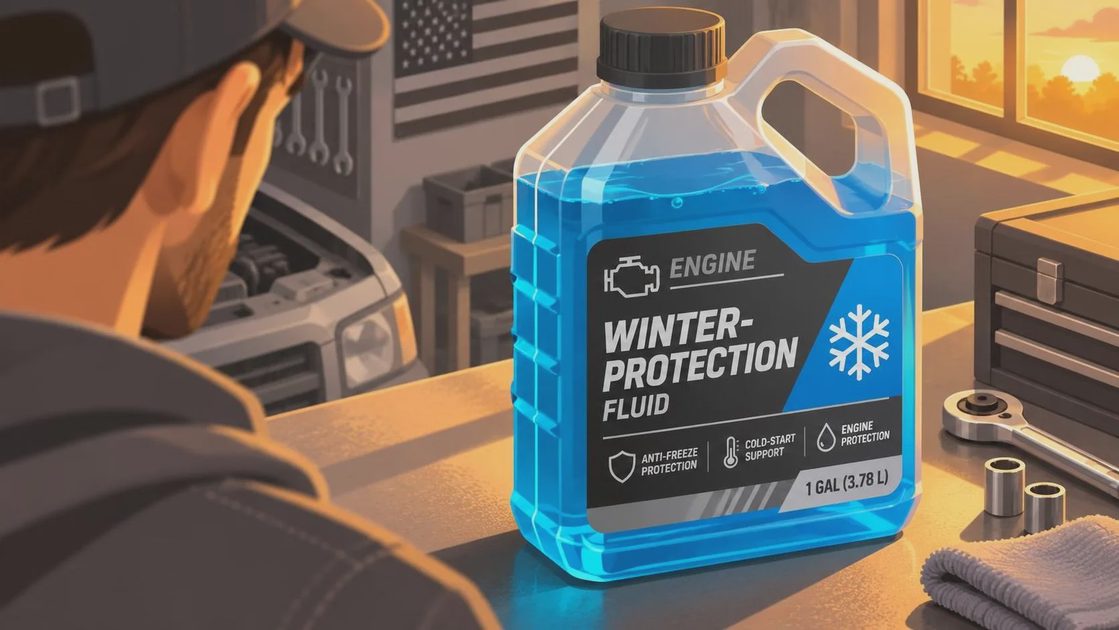
Dye is not a standardized chemical test. Green, orange, pink, or any other color may appear in more than one formulation, and a used fluid's appearance can change. If the history is uncertain, don't identify it by color or add an arbitrary product to make the level look right.
Reference Box: ASTM D3306 is a specification covering glycol-based engine coolant for automobile and light-duty service. A label citing it does not, by itself, establish that the fluid meets a particular vehicle manufacturer's additional requirement. Heavy-duty engines may have different specifications and maintenance needs.
Concentrate, premix, and topping off
Antifreeze coolant is sold as concentrate and as ready-to-use premix. The distinction matters at the parts counter: a 50/50 premix is already diluted and normally should not be mixed with another equal amount of water. Doing so would reduce its glycol concentration to roughly 25%, assuming no other fluid is involved.
For concentrate, measure both components rather than estimating by eye. Check the vehicle instructions for water quality and the allowed concentration range. Hard tap water can introduce minerals that contribute to deposits, so use distilled or deionized water when specified. Some manufacturers provide more detailed limits for water used in their systems.
Before topping off, let the engine cool completely. Check the level at the reservoir against its cold marks, following the vehicle's instructions. Add the specified premix or correctly diluted fluid to the indicated level; don't fill a cold reservoir to the brim. Never remove a pressure cap from a hot system: escaping hot coolant and steam can cause serious burns.
If the correct antifreeze coolant is unavailable, consult the vehicle instructions for an emergency top-off. Adding water may be permitted in some circumstances, but it dilutes freeze and corrosion protection. Record what was added, correct the mixture promptly, and investigate any unexplained loss. A repeatedly low reservoir calls for leak diagnosis, not a larger bottle of top-off fluid.
Testing, replacement, and fleet considerations
A refractometer designed for the glycol in use can help check antifreeze coolant concentration. Use the correct scale and follow the instrument's calibration and temperature instructions. A freeze-point reading estimates concentration; it does not establish that the inhibitor package is healthy or that the fluid meets an OEM specification.
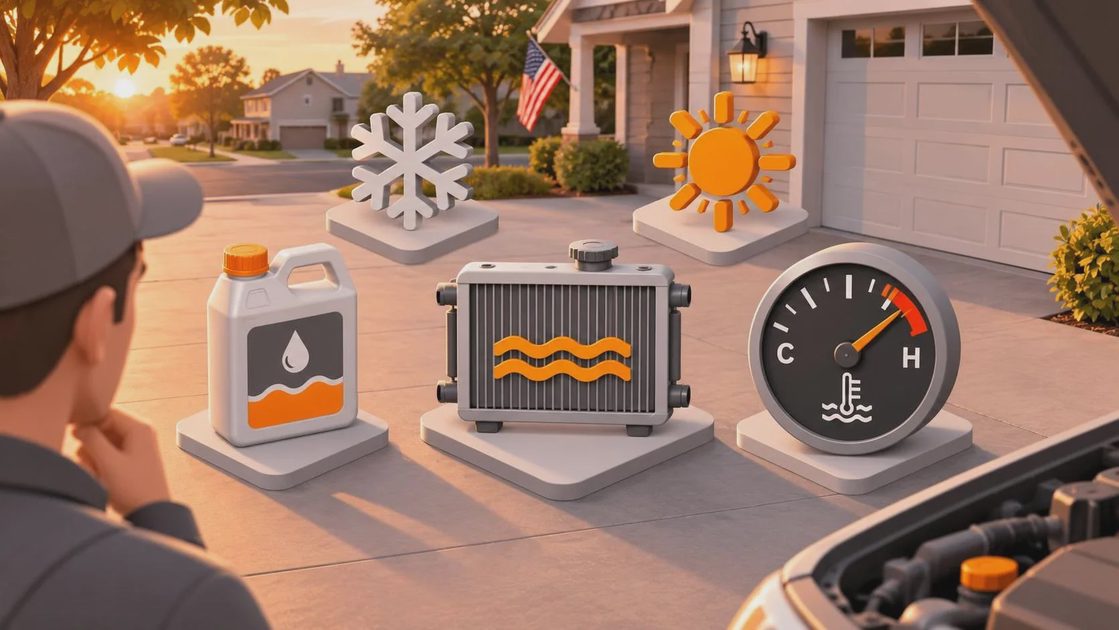
Test strips can be useful when they are designed for the fluid and application, particularly in heavy-duty maintenance programs. Follow their instructions for sampling, timing, and interpretation. Don't assume that a strip made for one inhibitor system gives a meaningful result in another. A pH reading or visual inspection alone is not a complete assessment of coolant condition.
Replace fluid at the equipment manufacturer's interval, measured by time, mileage, hours, or the applicable combination. Severe contamination, incorrect mixing, or a repair may require earlier service. Follow the service procedure for draining, refilling, and bleeding air; trapped air can interfere with circulation and contribute to overheating.
For a fleet, document the required specification for each engine and label dispensing equipment accordingly. Consolidation can reduce handling errors, but only when the selected fluid actually meets every applicable requirement. Keep records of top-offs, concentration checks, and changes so an unexplained loss or recurring dilution is visible.
Handling and disposal
Treat used and new antifreeze coolant as hazardous to people and animals. Ethylene glycol is poisonous if swallowed; keep all coolant away from children and pets, clean spills promptly, and never leave an open drain pan unattended. Wear appropriate eye and skin protection, and consult the product's safety data sheet for handling and first-aid instructions. If swallowed, seek immediate medical help or contact Poison Control at 1-800-222-1222 in the United States.
Collect drained fluid in a clean, closed, labeled container. Do not pour it onto the ground, into a storm drain, or into a septic system. Keep it separate from used oil, solvents, and other waste unless the receiving facility specifically instructs otherwise. Used coolant can contain contaminants picked up in service, so disposal requirements depend on the waste and local rules.
Ask a local recycling facility, household hazardous waste program, or authorized waste handler about acceptance. Businesses should determine their obligations under applicable federal, state, and local rules. Here's the chemistry, here's the spec, here's what to do with it: match the fluid, verify the mixture, and keep the used material contained.


No comments yet — be the first to share a thought.