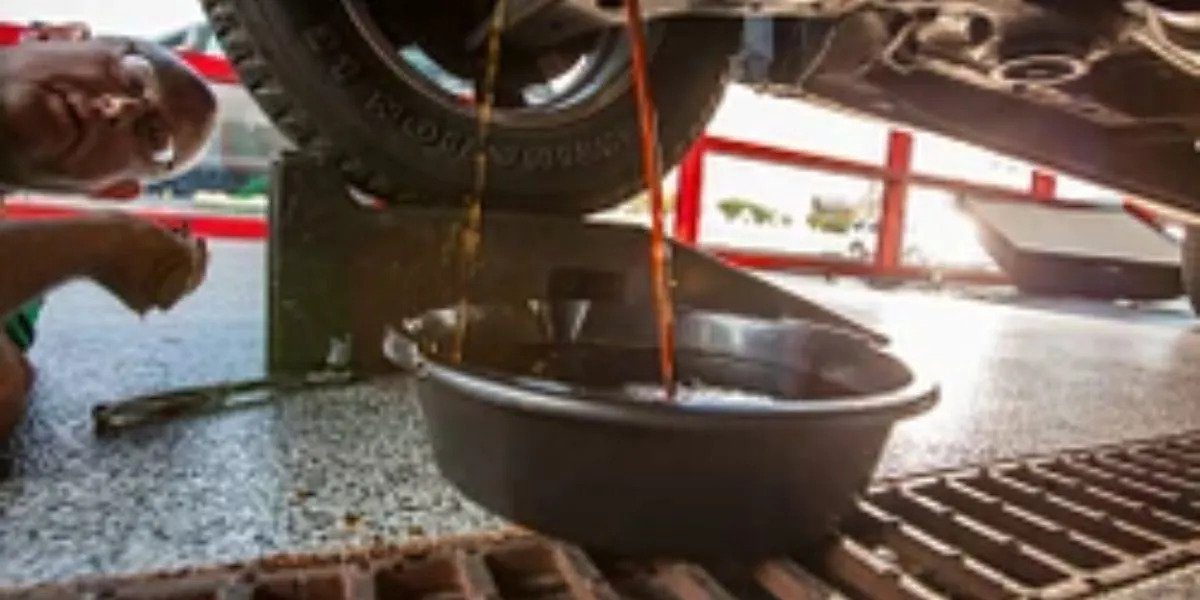
Disposing of spent lubricants correctly demands both meticulous attention and a genuine commitment to environmental responsibility. This is far more than a simple matter of discarding unwanted materials. It means ensuring that today's actions do not give rise to tomorrow's ecological crises. This guide provides a detailed framework for managing lubricants at the end of their service life in a manner that actively protects the environment.
Whether you are a fleet owner, a mechanic, or hold another role in the industry, understanding and following correct disposal procedures is non-negotiable. Beyond shielding the environment, proper disposal keeps you in line with stringent legal requirements, protects your equipment's integrity, and safeguards your company's reputation. This guide walks through the essential steps and established industry best practices to help you turn waste management from a burdensome obligation into a tangible expression of your commitment to sustainability and regulatory compliance.
Lubricants are indispensable to the smooth running of engines and machinery of all kinds. Yet once these substances have served their purpose, they can pose a serious threat to the surrounding environment. Whether the oil in question is synthetic, marine, or diesel engine oil, improper disposal can inflict significant harm on ecosystems, human health, and public safety. The following are among the most significant consequences of mishandling used lubricants:
Soil Contamination: When lubricants penetrate the ground, they render the soil toxic and unfit for agriculture or natural plant life. The contamination can linger for many years, disrupting local ecosystems and steadily degrading soil fertility.
Water Pollution: Oils readily find their way into rivers, lakes, and other water bodies through runoff or leakage, spreading a thin film across the surface that obstructs sunlight and strips the water of oxygen. Aquatic life suffers acutely under these conditions, and drinking water supplies can become compromised, triggering wider ecological imbalances.
Harm to Wildlife: Animals exposed to contaminated soil or water may develop skin diseases, ingest toxic compounds, or experience reproductive complications. The damage extends beyond individual creatures, threatening the stability of entire wildlife populations.
Health Risks to Humans: Contact with the hazardous compounds present in lubricants can trigger a range of serious health problems, from skin irritation and respiratory disorders to severe long-term conditions including cancer. People living near poorly managed disposal sites face an elevated level of risk.
Air Pollution: Burning used lubricants improperly releases toxic pollutants that worsen both air quality and climate change. These emissions can affect ecosystems on a global scale while also aggravating respiratory illnesses in human populations.
Legal and Financial Repercussions: Companies found to be engaging in improper disposal practices risk facing heavy fines, litigation, and lasting reputational damage, all of which can undermine financial stability over the long term.
The consequences outlined above make it clear why responsible handling and disposal of used lubricants matter so much. Adhering to best practices is not simply about meeting regulatory requirements — it reflects a proactive commitment to preserving our planet and its diverse animal and plant life for generations to come. By adopting responsible procedures, businesses can substantially reduce the environmental and public health toll of used lubricants.
Segregating your used lubricants is the first and most fundamental step toward proper disposal. Mineral-based oils such as diesel engine oil and marine oil must be kept strictly apart from synthetic lubricants. Because different lubricant types possess distinct chemical compositions, each requires its own disposal and recycling approach. Thorough segregation ensures that every category of spent oil receives the most appropriate treatment, which is vital for both operational efficiency and environmental protection.
Maintaining separation between lubricant types also improves the quality of the recycling process. Synthetic lubricants, for instance, often carry properties that can enhance the refining process during recycling. Keeping them separate from mineral-based oils allows each to be processed in the way that best maximises recyclability. The result is more effective recycling programmes that benefit the environment while simultaneously conserving resources by converting waste into useful products.
Storing used lubricants correctly is essential both for preventing environmental contamination and for enabling safe disposal. All spent lubricants — including diesel engine oil, marine oil, and synthetic lubricants — should be held in containers specifically engineered to be leak-proof and resistant to oil. Each container must be clearly labelled with the type of oil it holds and the date it was collected, supporting efficient inventory management and ensuring compliance with applicable legal and environmental regulations.
Selecting the right containers is critical. They must be constructed from materials that will not react chemically with the lubricants they hold, since such reactions can degrade the container and eventually result in leaks. The containers must also be sturdy enough to endure the stresses of transportation and routine handling without failing.
Pro tip: Invest in high-quality, durable containers fitted with a dependable sealing mechanism to guard against accidental leaks and spills. Periodically inspect containers for any evidence of wear or deterioration. A modest upfront investment in reliable storage solutions can prevent significant clean-up expenditures and avert environmental fines. When moving larger containers and barrels, always use appropriate transport equipment such as industrial drum dollies and carts — they are cost-effective and well suited to the task.
Engaging a licensed waste management company is an essential part of responsible lubricant disposal. These providers specialise in handling hazardous materials, including synthetic lubricants, used diesel engine oil, and all other fluids. Certified disposal services operate under strict regulations and standards designed to ensure that used oils are either recycled, refined, and reused effectively, or disposed of in a manner that minimises environmental impact and complies with all applicable local, state, and federal legislation. This is especially critical in marine contexts, where even a small oil leak can have devastating consequences for marine life.
When evaluating a certified oil disposal service, it is essential to carry out a rigorous check of their credentials and examine their history of environmental compliance. This means verifying certifications from relevant environmental protection agencies and industry associations, which indicate adherence to best practices in hazardous waste management. A trustworthy provider will operate with transparency, supplying documentation of its compliance measures and disposal methods — records you can use to confirm that your repair shop or fleet is operating within the bounds of environmental law.
Pro tip: When assessing potential disposal services, always inquire about their emergency response plans and how they address accidental spills or leaks during transportation and disposal. A well-developed emergency plan reflects a serious level of preparedness and a genuine dedication to safety and environmental protection.
Recycling used lubricants is a vital practice that makes a meaningful contribution to environmental sustainability and resource conservation. By recycling these oils, businesses can shrink their environmental footprint — reducing the volume of waste requiring disposal and lowering demand for newly extracted raw materials.
Many varieties of synthetic lubricants and marine oils are well suited to recycling. These lubricants can be reprocessed and refined back into high-quality oils that perform at levels closely comparable to new products. The recycling process moves through several stages, including dehydration, contaminant removal, and re-additization, which together restore the oil's original properties and performance characteristics.
Consider establishing a closed-loop recycling system within your operations. In such a system, used lubricants recovered from your machinery are sent for reprocessing and returned to you as clean, serviceable oil. While aluminium, glass, and plastic are the most commonly associated materials for closed-loop recycling, engine oil can be handled the same way. This approach not only cuts waste but also substantially lowers procurement costs for new lubricants, since the same oil circulates back through your operations.
Effective spill prevention measures are a cornerstone of responsible lubricant management, especially given how difficult lubricants are to remove once they have entered soil or water and how long their effects can persist. Putting strong spill management protocols in place fulfils a compliance requirement, but its value goes further than that. Businesses with these measures in hand demonstrate proactive environmental stewardship and a commitment to operational safety.
First, equip your disposal area with the appropriate tools to address potential spills. This means keeping absorbent materials close at hand, installing secondary containment systems such as spill berms or curbs, and designing drainage facilities that prevent oils from reaching local waterways. Incorporating biodegradable absorbents can strengthen your environmental efforts, since these materials naturally break down over time and reduce long-term pollution.
Alongside physical infrastructure, training your personnel to manage spills safely and effectively is equally important. Regular, comprehensive training sessions should be held to keep all staff current on the latest spill management techniques and safety protocols. Coverage should extend from initial spill response actions through to correct use of personal protective equipment and final waste disposal procedures.
Maintaining proper documentation fulfils several critical functions:
Your records should capture all relevant details in full: the quantities and types of lubricants disposed of, the specific disposal methods used, and the waste management services engaged. This information should be documented carefully each time lubricants are disposed of, creating a clear and accurate record of your environmental stewardship.
Make use of digital tracking tools to organise and manage these records. Modern waste management software not only structures and stores data effectively but also improves the accuracy and accessibility of the information. Digital systems can automate portions of the documentation process, reducing the risk of human error and saving considerable time.
Beyond regulatory compliance, thorough record-keeping supports strategic planning and informed decision-making. Reviewing your disposal records can surface trends — such as rising waste volumes or shifts in the types of lubricants being used — that may point to a need for operational changes or improvements.
Finally, revisit and refresh your documentation practices on a regular basis to keep them aligned with evolving legal requirements and advances in technology. This forward-looking approach guards your business against potential non-compliance issues while positioning it as a responsible, modern operation genuinely committed to sustainable practices.
Any business that seeks full regulatory compliance and wishes to avoid conflicts with applicable laws should take this guidance seriously. Beyond legal obligation, we each carry a responsibility to care for our environment and prevent avoidable harm to people, animals, and the broader ecosystem. Proper lubricant disposal reflects a commitment to the planet's health and future. By following these steps, mechanics and fleet owners can make a meaningful positive contribution to environmental conservation and uphold the highest standards of industry practice.
Valvoline is dedicated to raising the bar for the lubrication industry. As part of that commitment, we partner with recycling programmes and actively encourage our clients to manage their waste responsibly. We provide resources and support to ensure that all stakeholders in the automotive and maritime sectors have access to the knowledge and tools needed to dispose of lubricants safely and in an environmentally sound manner. Choosing Valvoline means investing in premium products for your business while also joining a movement working to make the industry more sustainable, cleaner, and more accountable.



No comments yet — be the first to share a thought.