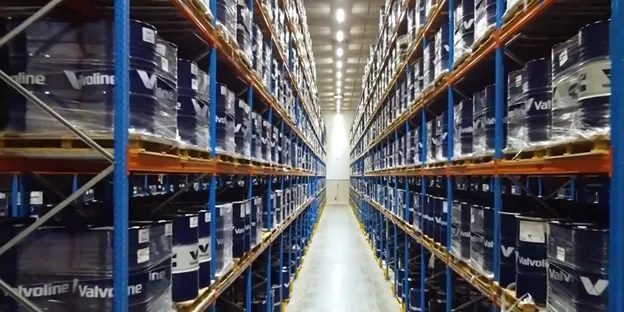
Products such as Valvoline's Premium Blue Diesel Engine Oil are engineered to deliver superior performance and protection for diesel engines, and preserving the right storage conditions is what keeps those protective qualities intact. The logical starting point is selecting the right location. An ideal storage site is cool, dry, and shielded from direct sunlight. Extreme temperature swings and moisture must both be avoided. The area should also be free of chemicals and other potential contaminants. Equally important is keeping the space well organised — proper organisation allows for easy lubricant access, correct stock rotation, and fewer handling mistakes.
Diesel engine oil, marine oil, hydraulic oil, and virtually all other lubricants arrive in containers that serve as the primary line of defence. That protection holds only when containers are tightly sealed and show no signs of cracks or holes. Exposure to air triggers oxidation, which rapidly degrades the oil. Choose containers fabricated from non-reactive materials such as high-density polyethylene or stainless steel. Valvoline's All-Fleet Marine Oil containers, for example, are built to withstand harsh environments and are well suited for storing marine oils that require extra defence against moisture and contamination. Provided containers remain properly sealed, there is no reason to transfer the contents.
A first-in, first-out (FIFO) inventory approach is one of the most effective tools for extending lubricant shelf life. This method guarantees that older stock gets used before newly received stock, significantly reducing the risk of oils expiring while sitting untouched at the back of a shelf. Regularly checking the dates printed on containers allows you to verify that the FIFO method is being applied correctly. Digital inventory management platforms can take this a step further by generating automatic notifications and alerts whenever products are approaching their expiration dates.
Controlling the surrounding environment is fundamental to preserving lubricant quality and effectiveness. Certain lubricants are especially vulnerable to environmental fluctuations. Swings in temperature and humidity can alter viscosity, undermine performance, and compromise stability. High temperatures, for instance, cause oil to thin out and lose its ability to lubricate properly, whereas extreme cold causes it to thicken to the point where it can no longer flow as intended.
Addressing these risks requires the installation of advanced temperature and humidity control systems within storage facilities. These systems must be capable of sustaining consistent internal conditions regardless of how outdoor weather changes. Keeping the storage environment stable over time ensures lubricants retain their specified characteristics and performance properties. Adequate ventilation is also necessary to prevent the accumulation of fumes or condensation inside the storage area, either of which could alter the oils' chemical makeup.
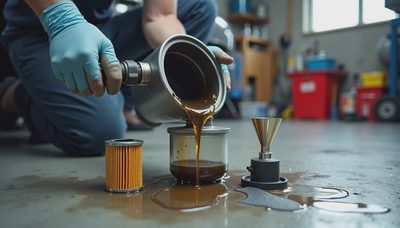
Routine inspections of stored lubricants are essential both for preserving their effectiveness and for preventing unexpected equipment issues. Even premium-grade oils can undergo changes over time that compromise their lubricating capability. Regular checks should watch for the following signs of deterioration:
Colour: Any shift in colour may point to contamination or early-stage oxidation, both of which diminish the oil's lubricating performance.
Texture: Changes in texture — such as unusual thickness or the appearance of suspended particles — are indicators that the oil may no longer be fit for service.
Smell: An abnormal odour can be a clear warning of chemical degradation or contamination within the oil.
Valvoline recommends conducting regular testing on stored oils to evaluate their condition and continued suitability for use. Doing so helps prevent equipment failures and costly downtime that can result from using compromised lubricants.
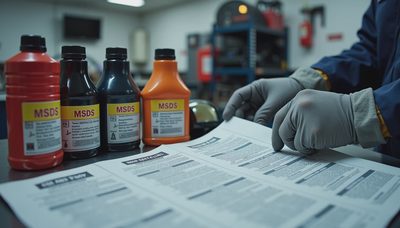
Ensure that all personnel involved in lubricant storage and handling are thoroughly familiar with the recommended procedures. Clear, accurate instructions covering proper handling, transfer, and disposal of oils are essential. For the most reliable guidance, teams can always reach out to Valvoline support directly.
Adhering to these best practices while choosing high-quality products from Valvoline Global — whether that means our well-regarded diesel engine oil, marine oil, or other speciality fluids — helps ensure your lubricants stay effective for as long as possible. Sound storage and handling practices not only extend the service life of these critical fluids but also support the overall efficiency and longevity of your equipment. Take a proactive approach to lubricant management and get the maximum value out of Valvoline's industry-leading product range.

No comments yet — be the first to share a thought.