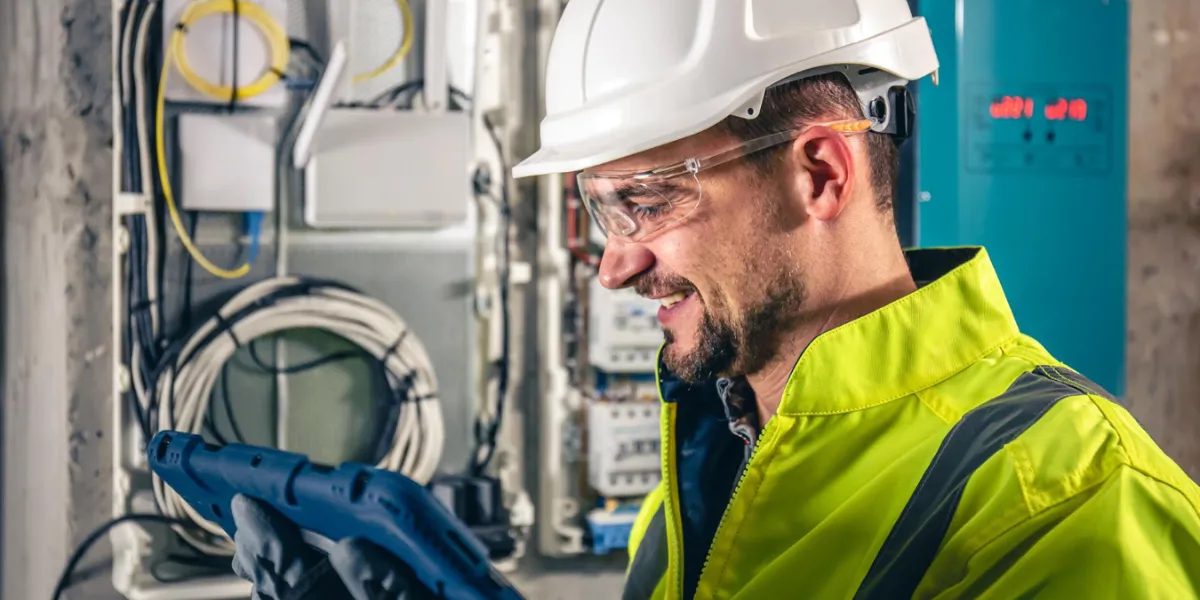
Industrial maintenance is an essential process spanning numerous industries. Its purpose is to ensure that machinery and equipment operate at peak performance. This encompasses scheduled inspections, repairs, and upkeep tasks designed to keep equipment running reliably.
Here is what you need to understand about it.
Equipment failures lead to expensive downtime, translating directly into lost production, revenue, and profits. Implementing proper maintenance practices mitigates these risks and keeps equipment in reliable working condition.
Beyond limiting downtime, this process extends the service life of equipment and reduces the frequency of costly replacements. Perhaps most significantly, it enhances workplace safety by lowering the likelihood of accidents and injuries on the job.
This form of maintenance takes place after a machine has already experienced a failure. It entails repairing or replacing components to restore the equipment to operational status.
The name speaks for itself. This type of maintenance is carried out proactively, independent of how the machine is currently performing. It encompasses tasks like cleaning, lubrication, and inspection, with the primary objective of reducing breakdowns and extending equipment life.
Through the application of data analytics and the monitoring of key performance indicators — including vibration, temperature, and fluid levels — technicians are able to identify problems before they develop into failures.
This approach resembles reactive maintenance but requires more extensive repair work. Corrective maintenance is typically needed when a piece of equipment has sustained considerable damage.
By tracking equipment performance over time, you can determine whether maintenance is necessary and when it should be scheduled. This often involves deploying sensors and other technologies to observe factors such as temperature, vibration, and wear and tear.
All staff members participate in the maintenance process to maximize efficiency and keep downtime to a minimum. This can include training employees to carry out basic maintenance tasks and encouraging them to flag potential problems as they arise.
Effective industrial maintenance draws on a combination of technical know-how, organizational capabilities, and clear communication. The following are some best practices for managing industrial maintenance programs.
Keep it detailed. A solid maintenance plan should include a complete list of equipment requiring attention, maintenance schedules and frequencies, and the specific tasks to be completed. Revisit the plan on a regular basis and revise it as circumstances change.
Advanced technologies support industrial maintenance across multiple dimensions. Computerized maintenance management systems (CMMS) and IoT sensors, for instance, enable you to monitor equipment condition, log maintenance activities, and flag potential issues early.
Safety must be the foremost priority in any industrial maintenance operation. Employees should receive thorough training in safety procedures, and equipment should be inspected regularly to identify and address potential safety hazards.
Offer ongoing training and professional development opportunities to maintenance staff. This helps them stay current with evolving technologies and continuously strengthen their technical skills and knowledge.
Maintain comprehensive records of all industrial maintenance activities. Analyze this data to recognize recurring patterns and make well-informed decisions regarding future maintenance requirements.
Foster a workplace culture where employees feel comfortable reporting potential issues or suggesting areas for improvement. Put a clear process in place to address these concerns promptly and effectively.
Lubrication is a foundational element of industrial maintenance. Lubricants — whether oils or greases — reduce friction between moving components, prevent the buildup of debris, minimize wear, and dissipate heat. In doing so, they extend equipment lifespan, enhance operational efficiency, and lower overall maintenance costs.
Among the key roles lubricants serve in industrial maintenance are:
For over 150 years, Valvoline has been formulating a comprehensive range of industrial oils. Every product in our lineup is purpose-built to meet the rigorous demands of heavy-duty industries and highly specialized equipment, machine parts, and components.
These oils are designed to deliver outstanding performance, superior lubrication, exceptional protection, and optimal efficiency — even under extreme temperatures and demanding operating conditions.
Explore our extensive selection of industrial oils, which includes circulation, compressor, heat transfer, process, and extreme pressure oils.
If you are unsure which oils best suit your operation, reach out to your local Valvoline dealer. We will assist you in identifying the right lubricants for your equipment and provide detailed guidance on their proper application and maintenance.
Industrial maintenance is a vital component of any manufacturing operation. It covers the ongoing upkeep and repair of production machinery, ensuring that equipment remains in excellent working condition. The result is minimized downtime alongside improvements in both safety and operational efficiency.
We trust these tips will give you a strong foundation for sound industrial maintenance practices. And remember — selecting the right lubricant is a critical factor in the entire process!


No comments yet — be the first to share a thought.