After reading this guide, you will be able to look up what a P0303 code means, separate an ignition fault from a fuel or mechanical problem, and choose sensible tests before replacing parts. The P0303 code is a generic OBD-II diagnostic trouble code indicating that the engine control module detected a misfire on cylinder 3. The code identifies the cylinder, not the failed component. That distinction prevents a common and expensive mistake: installing several ignition parts without confirming the cause.
What the P0303 code means
A misfire occurs when the air-fuel mixture in one cylinder does not burn normally. The crankshaft speed changes slightly when a cylinder contributes less power, and the crankshaft position sensor reports those changes to the engine computer. If the pattern crosses the manufacturer's detection threshold, the module stores the P0303 code and usually turns on the check engine light.
Cylinder numbering is not universal. On many inline four-cylinder engines, cylinders are numbered from the timing-chain or belt end, but some manufacturers define the layout differently. On V6 and V8 engines, the bank arrangement also matters. Use the service information for the exact vehicle rather than assuming cylinder 3 is physically third from the front bumper.
Reference Box: P0303 means cylinder 3 misfire detected. It does not automatically mean a bad spark plug, ignition coil, injector, or engine oil problem.
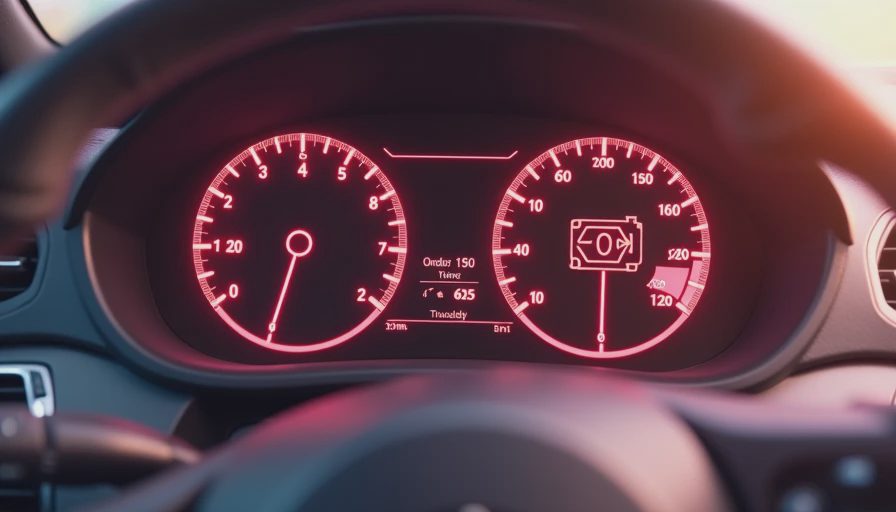
A flashing check engine light changes the urgency. It generally indicates an active misfire severe enough to threaten the catalytic converter. Unburned fuel can enter the exhaust, where it raises catalyst temperature. Reduce load, avoid high engine speed, and stop driving if the vehicle is running badly or the light continues flashing.
Common causes and the first inspection
Start with the basics before reaching for an oscilloscope. Inspect the cylinder 3 spark plug, coil connector, wiring, and plug well. Look for a cracked insulator, worn electrode, oil contamination, coolant traces, corrosion, bent terminals, or a coil boot damaged by heat. On engines with individual coil-on-plug units, compare the suspect coil with a known-good cylinder.
The most useful quick test is a component swap. Move the cylinder 3 coil to another cylinder, clear the code, and run the engine through the conditions that originally produced the fault. If the misfire code follows the coil, the coil is a strong suspect. If the P0303 code remains on cylinder 3, continue testing instead of condemning the coil.
You can use the same logic with the spark plug, provided the plugs are the correct type and in comparable condition. Do not swap components randomly on a vehicle with a delicate ignition system or difficult access. Label each part, record its original location, and tighten fasteners and connectors correctly during reassembly.
Fuel delivery is the next branch. A restricted or electrically failed injector can create a lean misfire on one cylinder. Listen for injector operation with an approved diagnostic method, inspect the connector, and compare injector resistance only when the vehicle manufacturer's procedure allows that test. Resistance alone does not prove that an injector flows correctly.
Testing fuel, air, and mechanical condition
A vacuum leak near one intake runner can affect a single cylinder more than the others. Inspect the intake manifold gasket area, vacuum hoses, PCV connections, and any nearby purge plumbing. A smoke test is safer and more informative than spraying flammable chemicals around a hot engine. Keep hands, clothing, and test leads away from belts, fans, and exhaust components.
Fuel-trim data can provide direction. A large positive long-term fuel trim suggests the control system is adding fuel to correct a lean condition, while a negative value suggests it is removing fuel. These readings are system clues, not proof that cylinder 3 itself is lean. A scan tool with freeze-frame data can show whether the misfire occurred during startup, idle, acceleration, or cruise.
If ignition and fuel checks do not identify the cause, test compression. A low reading on cylinder 3 compared with the other cylinders can point toward a burned valve, valve-train issue, damaged piston, worn rings, or head-gasket problem. A wet compression test and leak-down test help separate ring leakage from valve or gasket leakage. Follow the manufacturer's procedure, especially on engines with variable valve timing or electronic throttle control.
The lubricant connection deserves attention. Spark-plug threads or the plug well may contain engine oil from a leaking valve-cover gasket, but that oil is not automatically the original cause of the misfire. Oil-fouled plugs can fail to ignite consistently, and excessive oil consumption can damage emissions components. Use the specified engine oil viscosity and quality standard; changing viscosity will not repair a dead ignition coil or poor compression.

A practical diagnostic sequence
When a customer presents the P0303 code, begin by recording all stored and pending codes, freeze-frame information, mileage, and recent repairs. Codes for fuel pressure, camshaft timing, crankshaft correlation, or system-wide lean operation can change the diagnostic path. Next, confirm whether the light is steady or flashing and ask whether the complaint is a rough idle, hesitation, hard start, or loss of power.
Then inspect cylinder 3 and perform a controlled coil or plug swap. Clear the codes only after recording them, and verify the result with a road test or a scan-tool misfire counter. If the count moves with a part, replace that failed part with an application-correct component. If it stays fixed, test injector operation and air leaks. Finally, perform compression or leak-down testing when electrical and fuel tests are inconclusive.
Avoid replacing all coils, injectors, or oxygen sensors simply because one cylinder misfires. Some vehicles have known service updates, but those should come from manufacturer documentation or a reputable technical database. Parts-counter staff can save a customer money by asking for the exact year, engine, mileage, symptoms, and other codes before recommending a component.
Repair costs and when to stop driving
A spark plug repair may cost roughly $50 to $200 depending on access and labor rates. One coil often falls in the $100 to $350 range installed, while an injector, intake repair, or compression-related engine repair can run from several hundred dollars to well over $2,000. These are planning ranges, not quotes; labor time and vehicle design create major differences.
A steady light with a mild, occasional stumble usually permits a short trip to a repair facility, but continued driving can worsen catalyst damage. A flashing light, strong fuel smell, severe shaking, or obvious power loss calls for stopping safely and arranging a tow. Do not disconnect emissions equipment or continue driving while raw fuel may be entering the exhaust.
If the P0303 code appeared after maintenance, revisit the recent work first. A loose coil connector, incorrect plug gap, pinched wire, or disconnected vacuum hose can create a problem immediately after service. If coolant or oil is found in the plug well, correct the leak and evaluate whether the plug and coil have already been damaged.
Final reference for the P0303 code
The P0303 code is a symptom code with a valuable location clue: cylinder 3 is misfiring. The efficient repair process is to verify cylinder numbering, inspect the ignition system, use controlled component swaps, check fuel and air delivery, and test compression when needed. Do not confuse a visible oil leak with the complete diagnosis, and do not treat one scan code as permission to replace parts by guesswork.
Here's the chemistry, here's the spec, here's what to do with it: combustion requires the right mixture, compression, ignition energy, and timing. A failure in any one of those areas can produce the same P0303 code. Work from evidence, observe electrical and hot-engine safety practices, and dispose of used plugs, solvents, and oily materials according to local shop and waste-handling rules. If your customer asks, the one-line answer is simple: cylinder 3 is not contributing consistently, and testing must identify why.



No comments yet — be the first to share a thought.