This guide explains what you will be able to look up when a scan tool shows the P0304 code: what the code means, how cylinder numbering works, which tests separate ignition from fuel and compression faults, and how to repair the cause rather than simply clearing the light. A P0304 code identifies a detected misfire on cylinder 4. The powertrain control module has seen crankshaft speed fluctuate in a pattern consistent with that cylinder failing to contribute normally.
The code does not identify one failed part. A worn spark plug, weak ignition coil, damaged injector, vacuum leak, low compression, valve-train problem, or wiring fault can produce the same result. Treat the code as a direction for testing, not as an automatic order for a coil or injector. Here's the chemistry, here's the spec, here's what to do with it.
What the P0304 code means
On most four-, six-, and eight-cylinder engines, cylinder 4 is not always in the same physical location. Inline engines commonly number cylinders from the front of the engine, but transverse layouts can make “front” confusing. V engines use manufacturer-specific numbering. Before touching a component, use the service information for that exact year, engine, and vehicle. A parts catalog illustration alone is not sufficient evidence.
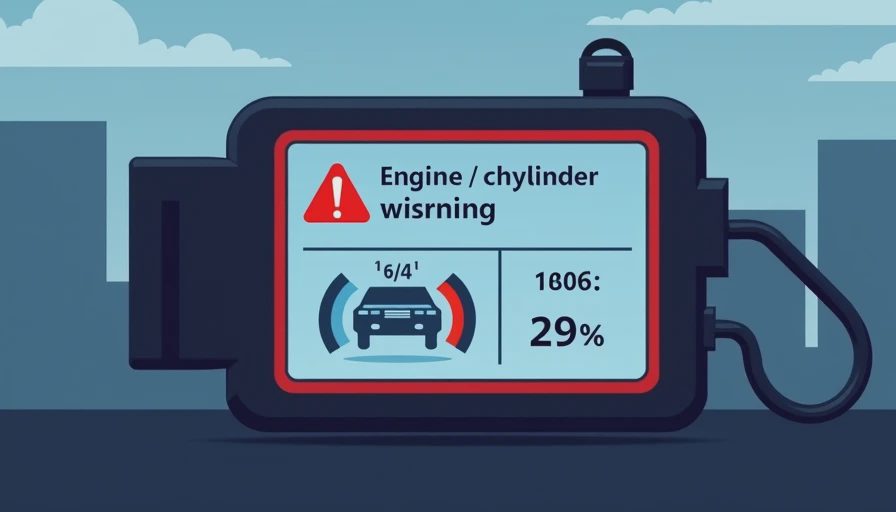
The engine computer detects misfire by monitoring crankshaft acceleration through the crankshaft position sensor. During normal combustion, each cylinder speeds the crankshaft slightly. When cylinder 4 produces weak or no power, the expected acceleration is missing. A flashing malfunction indicator lamp usually means the misfire is severe enough to threaten the catalytic converter. Reduce load and stop driving if the light continues flashing. Unburned fuel can overheat the catalyst, and repeated misfire can dilute engine oil with gasoline.
Reference Box: P0304 code means cylinder 4 misfire detected. It does not prove that cylinder 4's spark plug or ignition coil is defective.
Start with scan data and basic inspection
Record all diagnostic trouble codes and freeze-frame data before clearing anything. Engine temperature, load, rpm, fuel trims, and vehicle speed can show whether the fault appears during cold start, acceleration, cruising, or idle. If P0304 appears with fuel-pressure, camshaft, crankshaft, or oxygen-sensor codes, diagnose the system-level fault first.
Inspect the air intake duct, PCV hoses, vacuum lines, electrical connectors, and harness near cylinder 4. Look for oil in a spark-plug well, coolant tracks, loose terminals, rodent damage, and connectors that are not fully latched. A small intake leak near one runner can create a lean condition that affects one cylinder more strongly than the others. Check engine oil level and condition as well. Fuel-diluted oil loses viscosity and can reduce protection for bearings and cylinder walls.
If the P0304 code appeared immediately after maintenance, retrace that work. A displaced coil connector, crossed plug wire, cracked ceramic insulator, or intake gasket disturbed during service is more likely than a mysterious unrelated failure.
Test ignition before buying parts
A practical isolation test is to exchange the cylinder 4 ignition coil with the coil on another cylinder, provided the design allows it. Clear the codes, run the engine, and rescan. If the misfire changes to that other cylinder, the coil is a strong suspect. If the P0304 code remains on cylinder 4, continue testing instead of replacing the coil by assumption.
Remove and compare the spark plug with neighboring plugs. A normal plug generally has a dry, light-colored firing end appropriate to the engine and fuel system. Heavy black deposits can indicate excess fuel or weak ignition. A wet gasoline smell suggests fuel is present but not burning. An oily plug points toward oil entry through rings, a valve guide, or a failed seal. White, unusually clean deposits can indicate coolant exposure or abnormal temperature conditions.
Check plug gap against the vehicle manufacturer's specification. Do not use a generic gap value because modern coil-on-plug systems and boosted engines can require precise gaps. Inspect coil power, ground, and control circuits with a wiring diagram. A test light or meter can show a missing supply, but an oscilloscope is better for evaluating the control signal and coil performance under operating conditions.
Separate fuel delivery from mechanical failure
If ignition checks pass, determine whether cylinder 4 is receiving the correct fuel. Listen for injector operation only as a preliminary check; an audible click proves that the solenoid moves, not that the injector delivers the correct quantity. Compare injector resistance with the manufacturer's specification, inspect the connector terminals, and use a suitable balance or flow test when available.
A fuel-pressure test can reveal a weak pump, restricted filter, or regulator problem, but system pressure alone will not prove that one injector is healthy. An injector that is stuck open can create a rich misfire and contaminate the oil. Wear gloves and eye protection when testing fuel systems, keep ignition sources away, and relieve pressure according to the service procedure. Store drained fuel in an approved container and dispose of contaminated material through an appropriate hazardous-waste or automotive recycling channel.
Fuel-trim data can provide useful direction. Positive long-term fuel trim indicates the computer is adding fuel to correct a lean condition; negative trim indicates fuel is being removed. These values are clues, not a diagnosis, and should be interpreted with oxygen-sensor behavior and engine operating conditions.
Compression and leak-down testing
When spark and fuel are credible, perform a compression test with the throttle opened as specified and the battery adequately charged. Disable fuel and ignition safely, remove all plugs when practical, and keep loose clothing away from rotating components. Compare cylinder 4 with the other cylinders rather than relying only on a universal pressure number. Engine design, cranking speed, cam timing, and altitude influence readings.
If compression is low, add a small amount of clean engine oil to the cylinder and repeat the test. A meaningful increase can suggest worn rings or cylinder-wall wear. Little change points more toward a valve, head gasket, or cam-timing problem. A leak-down test provides better direction: air from the throttle body suggests an intake valve leak, air from the tailpipe suggests an exhaust valve leak, and air from the crankcase suggests ring or piston leakage. Bubbles in the cooling system raise concern about a head gasket or related sealing fault.
A persistent P0304 code after ignition and injector swaps should never be dismissed as a “computer glitch” until mechanical condition and valve timing have been checked.
Common repairs and realistic costs
Repair cost depends heavily on access and the confirmed cause. A correctly specified spark plug may cost roughly $5 to $20, while a coil commonly ranges from $40 to $150 for the part. An injector can cost $60 to $250, and professional diagnosis or installation can add $100 to $500 depending on labor and vehicle design. Intake leaks may need a hose, gasket, or manifold repair. Low compression can turn a simple misfire complaint into cylinder-head or engine work costing well over $1,000.
Do not replace all coils or injectors automatically. If testing identifies one failed coil, replace that component and inspect the plug. If plugs are at the vehicle's scheduled replacement interval, replacing the complete set can be sensible because balanced wear matters, but it should be explained as preventive maintenance rather than proof that every plug caused the fault.
After repair, clear the codes only after recording the original data. Road-test through the conditions shown in freeze-frame information, then confirm that misfire counters remain normal and that the monitor status is appropriate. Some vehicles require several drive cycles before all emissions monitors complete.
When the P0304 code needs urgent attention
A steady check-engine light allows a cautious trip for diagnosis when the engine runs smoothly and no overheating or oil-pressure warning is present. A flashing light, severe shaking, fuel odor, backfire, loss of power, or rising temperature changes the decision. Shut the engine down when safe and arrange qualified service. Continuing to drive can damage the catalytic converter and create unsafe traffic conditions.
If your customer asks, the one-line answer is: the P0304 code confirms a cylinder 4 misfire, but testing must identify whether the missing contribution comes from spark, fuel, air, compression, or control. Start with code and freeze-frame data, inspect the basics, swap-test accessible ignition parts, verify fuel delivery, and finish with mechanical tests when necessary. That sequence saves parts-counter money and produces a repair that will stay repaired.



No comments yet — be the first to share a thought.