After reading this guide, you will be able to identify what the P0305 code means, separate an ignition fault from a fuel or mechanical problem, and choose a logical test sequence instead of replacing parts at random. The P0305 code indicates that the engine control module has detected a misfire on cylinder 5. The code identifies the cylinder, not the failed component. That distinction saves time and money at the parts counter and in the shop.
What the P0305 code means
A modern engine computer watches crankshaft speed through the crankshaft position sensor. When one cylinder contributes less power during its firing event, the crankshaft slows slightly. The module compares those speed changes with expected combustion patterns and records a misfire diagnostic trouble code, or DTC. P0305 specifically points to cylinder 5.
On a V6 or V8 engine, cylinder numbering depends on the manufacturer. Do not assume cylinder 5 is the fifth plug when standing in front of the vehicle. Use the service information or an accurate repair manual. Some engines number cylinders from front to rear; others use bank-and-position conventions. Confirming the layout is the first practical step.
Reference Box: P0305 means cylinder 5 misfire detected. It does not automatically mean the spark plug, ignition coil, injector, or engine itself has failed.
A flashing malfunction indicator lamp usually means the misfire is severe enough to threaten the catalytic converter. Unburned fuel can enter the exhaust, where it raises converter temperature. A steady light still deserves diagnosis, but a flashing light, rough running, strong fuel odor, or loss of power calls for reduced driving and prompt testing.
Common causes and useful clues
The most common causes are a worn or fouled spark plug, a weak ignition coil, a damaged coil connector, or a problem with the plug wire on engines that use wires. Oil in the plug well can indicate a valve cover gasket leak. Water intrusion, corrosion, and loose terminals can interrupt coil voltage even when the coil itself is good.
Fuel delivery faults are also possible. A restricted or electrically failed injector can leave cylinder 5 lean, while a leaking injector can create an overly rich mixture. Low fuel pressure usually affects more than one cylinder, so a single-cylinder code often points toward the individual injector, its wiring, or an air leak near that runner. A vacuum leak at the intake port can create a cylinder-specific lean misfire.
Mechanical causes include low compression, a burned valve, a broken valve spring, incorrect valve timing, or a head gasket problem. Coolant entering the cylinder can foul the plug and produce white exhaust vapor, though white vapor has other causes during cold operation. Compression and leak-down tests are more useful than guessing from the code alone.

A step-by-step diagnostic procedure
Start by recording all stored and pending codes, freeze-frame data, engine temperature, load, and RPM. Look for companion codes involving fuel trim, oxygen sensors, cam timing, or ignition supply. Clear nothing until the information has been saved. Inspect the cylinder 5 wiring, connector locks, grounds, and harness routing before disassembly.
If the engine uses individual coils, move the cylinder 5 coil to another cylinder. Clear the codes and run the engine under similar conditions. If the misfire follows the coil, the coil is a strong suspect. If the P0305 code remains at cylinder 5, move the spark plug next. A misfire that follows the plug points to that plug; one that stays put requires further testing.
Use a spark tester when appropriate, and do not hold an ignition wire by hand while the engine runs. Check coil power and control signals with a wiring diagram and a suitable meter or scope. A visual inspection cannot prove that a coil is producing adequate spark under cylinder pressure.
For fuel diagnosis, verify injector resistance only as a screening test because resistance does not prove proper flow. Listen for injector operation, compare scan-tool data, and use an approved injector balance or pressure-drop test where available. Avoid spraying flammable cleaners around a hot engine. Use eye protection and keep ignition sources away from fuel vapors.
Compression, fluids, and mechanical checks
If ignition and fuel tests do not identify the fault, test compression on all cylinders with the throttle and battery conditions specified by the vehicle manufacturer. A cylinder that is substantially lower than its neighbors needs a mechanical explanation. A wet compression test can help distinguish ring sealing from valve sealing, but it is not a substitute for a leak-down test.
During a leak-down test, listen at the throttle body for an intake valve leak, the tailpipe for an exhaust valve leak, and the crankcase for ring leakage. Bubbles in the cooling system can indicate a combustion sealing problem. Keep hands, clothing, and tools clear of belts and fans during running tests.
Engine oil or coolant contamination can contribute to repeated fouling. Check the oil level and condition, but do not treat fluid changes as a cure for a confirmed misfire. Use the viscosity and performance specification printed in the owner or service information. Mixing random coolant chemistries can create maintenance problems, but coolant type will not normally repair a dead ignition coil or low-compression cylinder.
Repair decisions and typical costs
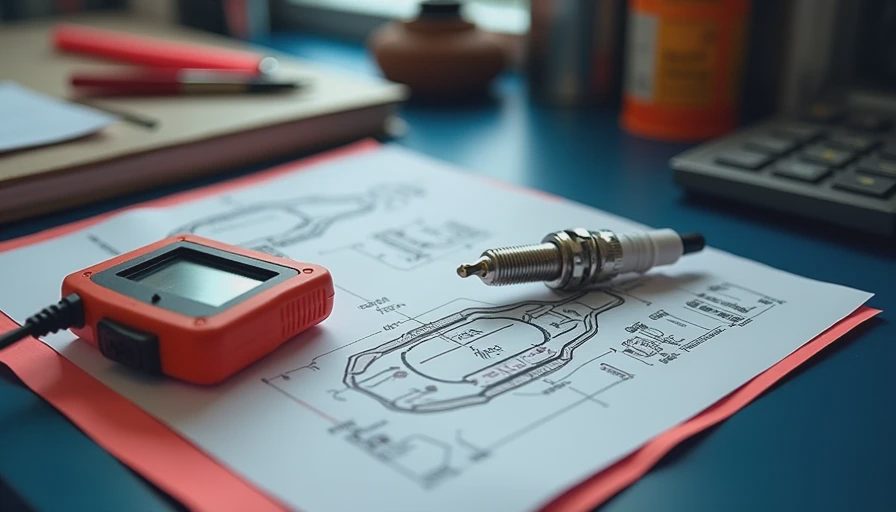
A spark plug replacement may cost roughly $10 to $30 in parts for many vehicles, while access can make labor the larger expense. An ignition coil often falls in the $50 to $180 parts range, depending on the engine and supplier. Injector service or replacement can range from about $100 to several hundred dollars. Mechanical repairs vary widely: a valve-train repair may reach four figures, and engine replacement can cost several thousand dollars.
Do not replace all coils or injectors automatically because one cylinder set a code. Preventive replacement can make sense when a vehicle has a known maintenance interval or several components have equal age, but testing should support the decision. If a coil swap makes the misfire move, the test has provided stronger evidence than a parts-counter guess.
A customer asking about the P0305 code usually needs two answers: whether the vehicle is safe to drive and what test comes next. A steady lamp with mild symptoms may permit a short trip for diagnosis. A flashing lamp, severe shaking, or reduced power calls for stopping in a safe location and arranging service.
Final checklist for the P0305 code
Confirm cylinder numbering from reliable service information. Save freeze-frame and companion-code data. Inspect the plug, coil, injector connector, wiring, and grounds. Swap-test the coil and plug when the design allows it. Check fuel delivery before condemning an injector. Perform compression and leak-down testing when the misfire stays on cylinder 5. Inspect oil and coolant for evidence of contamination, while remembering that fluids are clues rather than automatic cures.
Here's the chemistry, here's the spec, here's what to do with it: combustion requires the correct mixture, compression, ignition energy, and valve timing at the correct moment. The P0305 code tells you which cylinder is failing to contribute; disciplined testing tells you why. That approach protects the catalytic converter, prevents unnecessary parts replacement, and gives the driver a repair decision based on evidence.

No comments yet — be the first to share a thought.