This spark plug heat range chart gives technicians, parts-counter staff, and serious DIY owners a practical way to compare plug temperature behavior before installation. You will learn what the heat number means, why brands use different numbering systems, how engine modifications change the answer, and how to read a removed plug without guessing. Here's the chemistry, here's the spec, here's what to do with it.
What spark plug heat range actually means
A spark plug's heat range describes how quickly it transfers heat from the firing tip and insulator into the cylinder head. A hot plug retains more heat at the firing end and helps resist fouling during light-duty operation. A cold plug transfers heat more rapidly, which helps control firing-end temperature in a high-load or high-output engine.
This number does not describe the intensity of the spark, the voltage required, or the temperature of the entire plug. It is a thermal-design characteristic created by the insulator nose length, shell construction, electrode position, and contact with the cylinder head. The correct operating window is narrow enough to matter. Too cold, and deposits can build on the insulator. Too hot, and the plug can promote pre-ignition or overheating of the firing end.
Reference Box: Heat range is a plug temperature-management specification, not a performance rating. Always begin with the vehicle manufacturer's specified plug and cross-reference from there.
A common mistake is assuming that every brand uses the same direction for its numbers. In several popular numbering systems, a higher number indicates a colder plug. In others, the scale works differently. Never replace a brand's heat-range number by comparing digits alone. Compare the actual application, cross-reference, and manufacturer data.
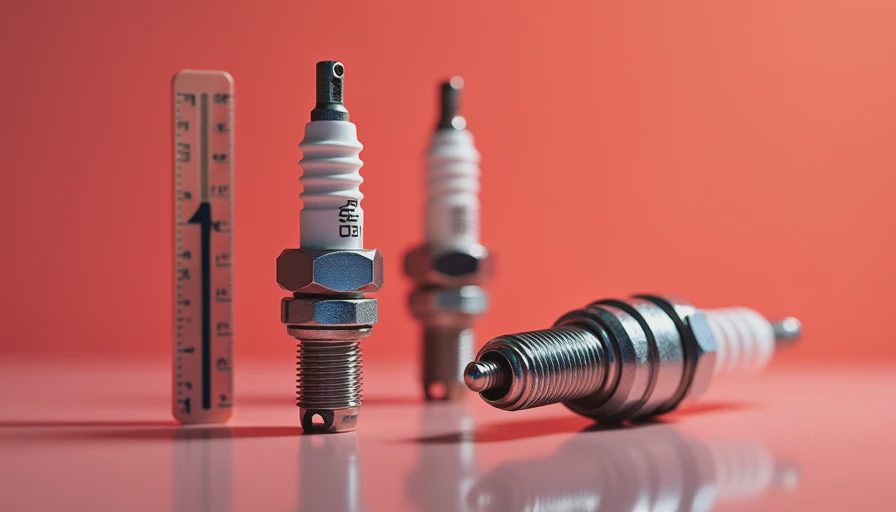
How to read a spark plug heat range chart
A useful spark plug heat range chart should show the original equipment plug, the manufacturer, the cross-reference part number, and the relative heat position. For example, one brand might list a plug as heat range 5 while another calls its equivalent range 16. Those numbers are not universal units, so the chart must identify the brand and series.
Start with the engine code, model year, displacement, fuel system, and ignition arrangement. A 2.0-liter naturally aspirated engine and a turbocharged version may use different plugs even when the cylinder head looks similar. Confirm thread diameter, reach, seat type, terminal style, resistor requirement, and projected-tip design before considering heat range.
On the spec sheet, the number that decides it is the original application and approved cross-reference, not a forum recommendation. A plug that is one step colder is not automatically better for towing, winter driving, or a vehicle with more miles. Heat range does not compensate for incorrect fuel mixture, weak ignition, poor cooling, or excessive oil consumption.
For a stock street engine, the original plug is normally the correct starting point. Use the chart to verify equivalent products, not to create a custom combination without evidence. Parts catalogs from NGK, Denso, Bosch, and Champion use their own application systems; the catalog entry is more useful than a generic online table.
When an engine needs a colder or hotter plug
A colder plug can be appropriate when an engine has substantially increased cylinder pressure, more boost, aggressive ignition timing, sustained high-rpm use, or a fuel and calibration combination that raises firing-end temperature. A modified turbocharged engine used for track sessions is a different thermal problem from the same car used for short commutes.
A hotter plug can help a lightly loaded engine resist fouling, but it should not be used to hide an underlying fault. Repeated black deposits can result from rich fueling, a failing injector, weak ignition, incorrect fuel pressure, a restricted air filter, or excessive idling. Changing heat range first can delay the real diagnosis.
If a customer asks, the one-line answer is: select the factory range unless the engine builder or a verified test procedure supports a change. One step is a meaningful change; jumping several ranges can create a serious mismatch. For racing or heavily modified applications, read the tuner or engine builder's plug guidance and inspect the plug after controlled operation.
A useful example is a stock pickup that occasionally pulls a trailer. That use alone does not automatically justify a colder plug. Compare the owner's manual specification, verify cooling-system condition, and inspect the existing plug. By contrast, a boosted engine with documented detonation under load deserves a complete calibration and thermal review rather than a quick parts swap.

Reading deposits and symptoms correctly
Plug appearance can provide direction, but it is not a laboratory diagnosis. A dry, soft black coating often points toward rich operation or weak ignition. A wet fuel smell can indicate flooding or an ignition failure. Oily deposits suggest oil entering the combustion chamber through rings, valve guides, or a breather system. A pale, blistered, or eroded firing end can indicate excessive temperature, abnormal combustion, or an incorrect plug.
Read all cylinders, not just the easiest plug to reach. A single different plug may indicate an injector, valve, compression, or ignition problem localized to that cylinder. Similar deposits across all cylinders point toward a system-wide issue such as fueling, air metering, or operating conditions.
Do not rely on color alone. Modern unleaded fuels, fuel additives, direct injection, and short-trip driving can produce appearances unlike older textbook photographs. Record plug number, mileage, gap, deposits, and the operating conditions before removal. A borescope, compression test, scan-tool data, and ignition test can turn a visual clue into a defensible diagnosis.
Installation details that protect the result
Correct heat range cannot overcome a damaged plug or poor installation. Inspect the new part for cracked ceramic, damaged threads, bent electrodes, or a missing terminal nut. Verify the specified gap; do not assume every pre-gapped plug is correct for every engine. Some fine-wire electrodes are easily damaged by careless adjustment.
Clean the plug well before removal so grit does not enter the cylinder. Use the specified tightening method and torque range, with the engine cool unless the service information says otherwise. Over-tightening can distort the shell or damage aluminum threads. Under-tightening can prevent proper heat transfer and allow combustion leakage.
Avoid applying anti-seize unless the plug manufacturer or vehicle service information specifically allows it. Many modern plug shells have a plated finish, and added lubricant can change tightening friction enough to produce excessive clamping force. Dielectric grease belongs around the boot seal, not on the firing tip or electrode.
A practical shop checklist
When using a spark plug heat range chart, first identify the exact engine and original plug. Next, confirm dimensions and resistor design. Then compare the brand's own cross-reference rather than matching heat numbers between brands. Record the reason for any range change, such as documented boost, track use, or builder instructions.
After installation, check for misfire codes, rough idle, hard starting, and signs of ignition interference. Recheck the plug after an appropriate operating interval if the application is modified or heavily loaded. Keep the removed plugs in cylinder order; that simple habit often reveals a pattern that a single sample hides.
The best reference is a combination of factory data, the plug manufacturer's catalog, and observed engine evidence. Use a chart to narrow the selection, then use specifications and diagnosis to confirm it. That approach prevents expensive trial-and-error purchases and protects the engine from avoidable thermal stress.
A spark plug is a small heat-transfer component as well as an ignition device. When you match its range to the engine's actual load, verify its dimensions, and investigate deposits honestly, it can deliver reliable service across ordinary commuting, fleet duty, and properly documented performance work.




No comments yet — be the first to share a thought.