After reading this guide, you will be able to look up what a variable valve timing solenoid does, recognize common failure patterns, test the circuit without guessing, and connect oil condition to cam-timing performance. The variable valve timing solenoid is a small electrohydraulic control valve, but it sits at the intersection of engine electronics, lubricant cleanliness, and mechanical timing.
Reference Box: A variable valve timing solenoid meters pressurized engine oil to a camshaft phaser. The powertrain control module commands it by varying electrical duty cycle, while oil pressure moves the phaser and changes valve timing.
What the solenoid actually controls
A modern gasoline engine may use variable valve timing, often called VVT, to improve low-speed torque, fuel economy, emissions, and high-rpm breathing. The camshaft phaser can advance or retard cam position relative to the crankshaft. The solenoid controls the oil passages that fill or drain the phaser's chambers.
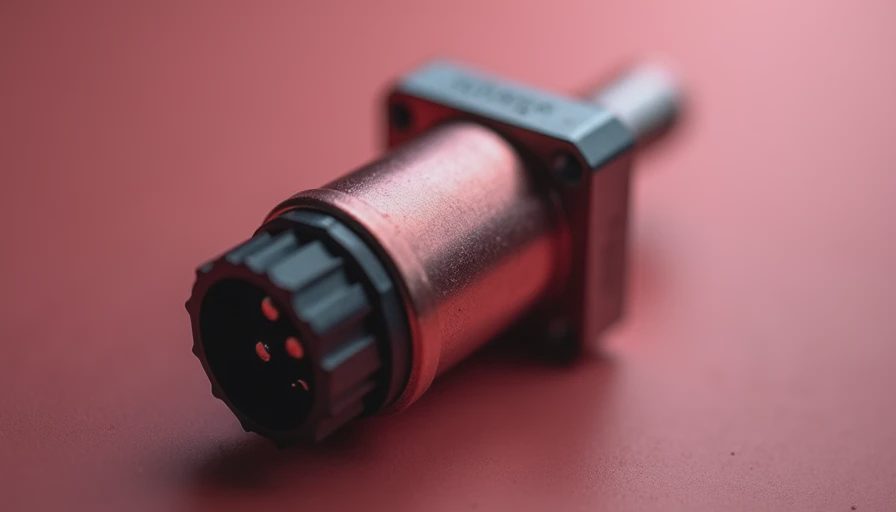
The valve normally contains an electromagnetic coil and a spool or pintle. When the engine computer supplies current, the magnetic field moves the spool against a spring. Small passages then direct oil toward the advance or retard side of the phaser. This is not a fuel injector and it does not directly rotate the camshaft. It regulates the hydraulic force that allows the phaser to move.
A variable valve timing solenoid depends on clean oil, correct viscosity, adequate oil pressure, and an unobstructed screen or passage. A mechanically sound part can still respond slowly if sludge restricts its inlet. Conversely, fresh oil cannot repair a broken coil, damaged wiring, worn phaser, or stretched timing chain.
Symptoms that point toward a problem
Common symptoms include a check-engine light, rough idle, reduced acceleration, poor fuel economy, hard starting, or a rattling noise during startup. Diagnostic trouble codes often fall in the P0010 through P0024 range, although code meanings differ by manufacturer and engine bank. A code identifies the control system's complaint; it does not automatically prove that the solenoid is defective.
A stuck-open valve can allow oil flow when the computer wants the phaser parked. That may create unstable idle quality or cam timing that is too far advanced. A stuck-closed valve can leave the engine with limited timing movement and poor response under load. An intermittent electrical fault may appear only after the engine bay becomes hot, so a quick cold inspection can miss it.
Listen carefully to the complaint. A brief rattle on startup can involve oil drain-back, a worn phaser, a weak tensioner, or delayed oil pressure rather than the control valve alone. A consistent rough idle combined with a circuit code points more strongly toward wiring or the coil. The engine's service information should guide the diagnosis.
Testing before buying a part
Start with the oil level and condition. Verify the dipstick reading on level ground using the manufacturer's procedure. Inspect the connector for oil intrusion, broken locks, green corrosion, or terminals pushed backward in the plastic housing. Follow the harness near exhaust heat and timing-cover edges, where insulation can become brittle or chafe.
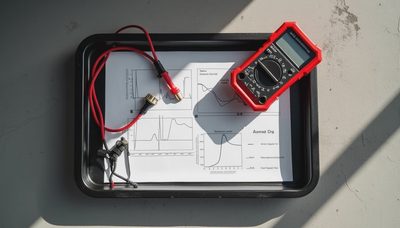
With the battery disconnected when appropriate, measure coil resistance and compare the result with the factory specification. Do not treat a generic resistance value as universal; some solenoids use different winding designs. An open circuit, a near-short reading, or a resistance that changes sharply while the connector is flexed is useful evidence. A scan tool that can command the actuator is even better because commanded movement can be compared with actual cam-angle data.
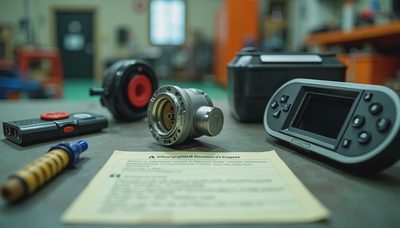
If the valve is removable, inspect its screen and spool for varnish or metallic debris. Use only a cleaning method approved for that component, and do not force the spool with pliers. A solenoid that clicks on a bench may still leak or respond too slowly under hot-oil conditions. If cam correlation remains incorrect after a verified electrical test, inspect the phaser, chain, tensioner, oil passages, and mechanical timing marks.
Why oil chemistry and viscosity matter
The variable valve timing solenoid does not require a special additive bottle; it requires the engine oil grade and performance specification listed by the vehicle manufacturer. SAE J300 viscosity grades describe rheological behavior, while the API service category addresses performance requirements for applicable gasoline engines. A 5W-30 and a 10W-30 are not interchangeable simply because both end in 30; their cold-temperature behavior differs.
Old oil oxidizes and leaves varnish, especially where a small spool valve operates at high temperature. Extended drain intervals, repeated short trips, overheating, and neglected filters can increase deposits. Too much sealant from a previous repair can also break loose and obstruct a screen. The practical repair is to correct the oil level, use the specified oil and filter, and avoid aggressive solvent flushes unless the manufacturer specifically supports that procedure.
Reference Box: Oil viscosity is not an electrical specification. Correct SAE grade supports hydraulic response, but it cannot compensate for a failed coil or a mechanically worn cam phaser.

Replacement and installation details
Replacing a variable valve timing solenoid is often straightforward, but access varies widely. Many engines place it on the cylinder head under an electrical connector; others require removal of an intake duct, engine cover, or nearby bracket. Clean the area before removal so loose grit cannot enter the oil passage. Have the correct seal or O-ring ready, and lightly lubricate a new seal with clean engine oil if the service procedure permits it.
Do not pry against a plastic connector or reuse a flattened seal. Tighten the retaining bolt to the manufacturer's torque specification rather than relying on feel. After installation, clear codes only after recording freeze-frame information. Start the engine, inspect for oil leakage, and allow it to reach operating temperature. A road test should include idle, moderate acceleration, and steady cruising so the computer can evaluate cam response.
Parts-counter staff should match the application by engine code, production date, bank, and position. Similar-looking intake and exhaust valves can have different calibration, connector orientation, or flow characteristics. A low-cost part that fits physically can create repeat codes if its electrical load or oil metering behavior is wrong.
Preventing repeat failures
Use the correct oil level and change interval, especially on vehicles that see stop-and-go traffic or short winter trips. Replace a restricted oil filter, investigate low oil pressure, and repair overheating promptly. During a timing-chain repair, clean the accessible control passages and verify that the phaser locks and releases as designed.
Do not pour used oil, solvent, or aerosol cleaner onto soil or into a drain. Collect drained oil in a labeled, leak-resistant container and take it to a municipal collection point, repair shop, or retailer that accepts used oil. Wear eye protection when using compressed air or chemical cleaner, and provide ventilation. Keep sprays and solvents away from ignition sources.
If your customer asks, the one-line answer is this: a variable valve timing solenoid is an oil-control valve, so diagnose both its electrical command and the oil system supplying it. Here's the chemistry, here's the spec, here's what to do with it: verify the oil, test the circuit, confirm cam movement, and replace the part only when the evidence supports it.


No comments yet — be the first to share a thought.