Owning a car and truly caring for one are entirely different matters. A person in the first category simply has a vehicle sitting in their driveway, while someone in the second genuinely invests in their machine. If you fall into that second group, you likely understand the value of routine maintenance, monitoring your car's essential systems, and scheduling annual mechanic visits. This applies across the board — regardless of a vehicle's age or price tag — but it carries even greater weight when a diesel engine is under the hood. Diesel-powered vehicles demand a higher level of attention than their counterparts, yet they reward that effort with superior performance, making proper upkeep a worthwhile commitment over time. Central to keeping a diesel running at its best is the use of the correct engine coolant — so what does that actually involve, and why does it matter so much?
Among the various fluids circulating through your vehicle, engine coolant can feel like a low priority to certain drivers. Those individuals keep their fuel tank topped off and give little thought to anything else. But if a diesel engine powers your car, overlooking the coolant is a serious oversight — one that could leave you stranded on a cold morning, unable to get your engine to turn over, or stuck somewhere along the road. Neither outcome is particularly pleasant.
The reason drivers around the world have relied on engine coolants for so many years comes down to something straightforward: they stop the engine from freezing. People in warmer climates may not give this much thought, but for those in colder regions, incorrect coolant use can quickly become a significant problem. Beyond keeping your engine operational in freezing temperatures, this fluid also promotes smoother engine operation, which helps preserve the engine's condition and longevity over the years ahead.
Given the enormous range of vehicles on the market today, finding one that checks every box can be a challenge. All of them require consistent upkeep — especially when driven frequently — and diesel-powered cars are no exception. Because diesel engines tend to generate higher operating temperatures than gasoline engines, preventing overheating is a critical priority. The most effective tool for managing that heat is a suitable coolant.
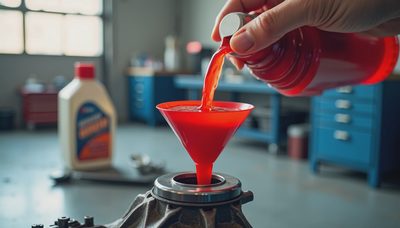
That said, even premium coolants deliver no benefit when used improperly. Every high-quality diesel engine coolant requires periodic inspection and informed handling. You don't need to schedule a mechanic visit every time the coolant needs topping up, but you do need a working understanding of how to use it correctly and which common errors could put your engine — and your entire vehicle — at risk.
Because coolants vary considerably from one product to the next, selecting one with a high glycerol concentration is essential. Most products available on the market contain somewhere between 30% and 70% of this compound, though options reaching up to 95% glycerol can be found without much difficulty. Higher glycerol content translates to better engine lubrication and smoother overall operation — a particular advantage for diesel vehicles, especially those running powerful heavy-duty diesel engine oil. While spending money on coolant may not feel exciting, the protection it provides far exceeds what most drivers expect, making it one of the smarter investments you can make for your car.
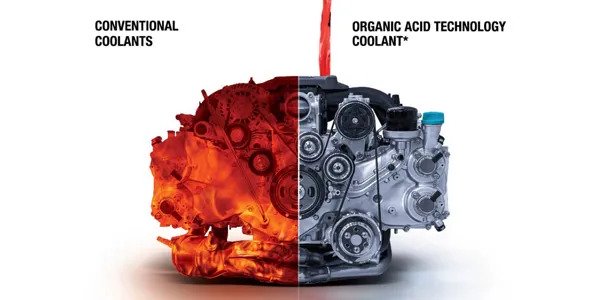
At present, there are three primary categories of coolants available to consumers:
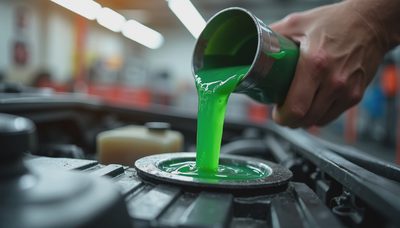
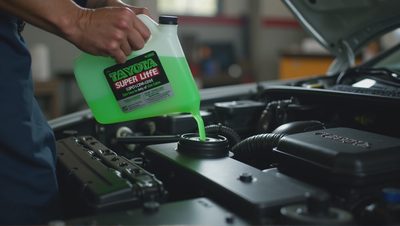
As noted earlier, some coolants are formulated to remain effective for up to five years or 150,000 miles — but waiting until those limits are reached isn't necessarily advisable. Beyond watching the readings on your dashboard, it's worth periodically lifting the hood for a visual check. Each manufacturer handles coolant systems differently and provides distinct indicators for where to add coolant, but locating the coolant reservoir tank shouldn't present much difficulty.
Once you've found it, you can assess the remaining coolant level and determine whether a top-up is needed. This step is just as essential as monitoring your diesel engine oil and ensuring it never runs dry. You don't need to be checking this in peak summer heat, but as cooler temperatures begin to arrive, keeping a closer eye on your coolant level becomes increasingly important.
Finally, make a habit of consulting your mechanic on a regular basis and discussing your coolant situation with them. A few practical tips on proper maintenance can go a long way toward extending both your coolant's effectiveness and your car's overall performance — and keeping you driving confidently for years to come.