If you work on modern diesel trucks, the diesel particulate filter is the component that decides whether regeneration goes smoothly or turns into a costly shop bill. This guide gives you the fundamentals, the failure modes, and the maintenance steps that keep this system out of the service bay.
Reference Box: A diesel particulate filter is a ceramic wall-flow monolith that traps soot from diesel exhaust and burns it off during regeneration.
What a Diesel Particulate Filter Does
The diesel particulate filter captures the tiny carbon particles, or soot, that a diesel engine produces during combustion. The filter is a honeycomb-like ceramic block with plugged channels that force exhaust gas through porous walls, trapping soot while letting gas escape out the tailpipe.
Over time, soot builds up inside the channels by design. The engine management system runs a process called regeneration to burn off the collected soot, leaving behind a small amount of ash that cannot be burned. The system works well when the truck spends enough time at highway speed to reach regeneration temperatures. If you need a one-sentence answer for a customer: the diesel particulate filter is a soot trap with a built-in cleaning cycle.
Why Diesel Particulate Filters Clog and What It Costs
A diesel particulate filter clogs when regeneration cannot keep pace with soot loading. The most common cause is short-trip driving that never gets the exhaust hot enough for a full passive regeneration. A failed differential pressure sensor can also prevent the computer from starting regeneration until the filter is overloaded. Poor combustion from worn injectors, a bad turbocharger, or a stuck EGR valve pushes extra soot into the filter.
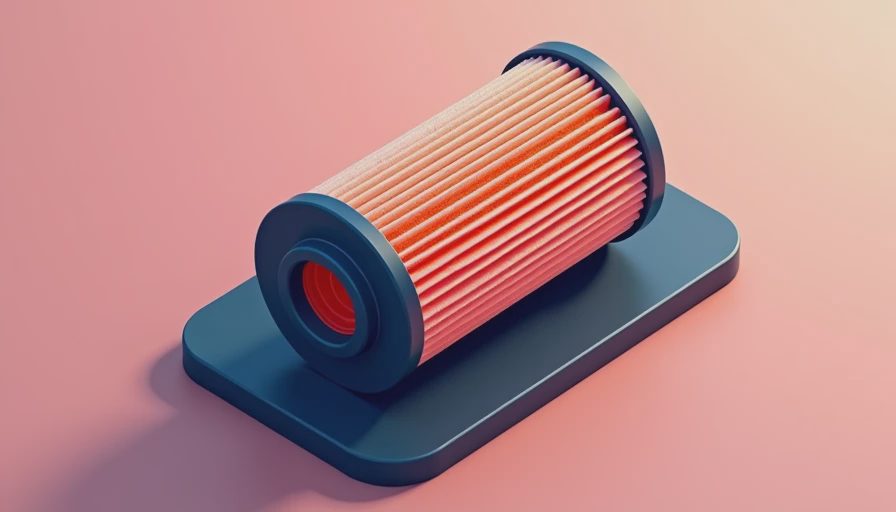
The cost side is where the repair decisions get real. An on-truck spray cleaning might cost a few hundred dollars. A professional bench cleaning that bakes and reverse-flushes the filter runs from roughly $400 to $900. If the ceramic filter is cracked or melted from a failed regeneration, replacement can hit $2,000 to $4,000 for parts and labor on a light-duty pickup. A plugged filter will derate the engine, cut fuel economy, and may force an extended manual regeneration. Removing the filter is illegal on public roads in most states. Choose the cleaning service that matches the condition; a soot-loaded filter may respond to an in-place bake, while a heavily ash-loaded unit needs a bench service.
The Chemistry of Regeneration and Ash
The soot trapped in the diesel particulate filter is mostly elemental carbon. When exhaust temperature reaches about 1,100-1,200 degrees Fahrenheit, carbon reacts with oxygen to form carbon dioxide. The engine computer raises exhaust temperature by injecting extra fuel late in the combustion cycle, which burns in the exhaust or in a small oxidation catalyst in front of the filter.
This is why occasional highway driving is essential. A truck that spends twenty minutes at highway speed gets the filter hot enough for passive regeneration. City trucks rely on active regeneration, which costs fuel and can be interrupted every time the driver stops. What remains after soot burns is ash, mostly calcium, phosphorus, and zinc from oil additives. Ash does not burn. It gradually plugs the filter over tens of thousands of miles, and no chemical cleaner can remove it; the only fix is physical cleaning at a shop.

Maintenance That Keeps the DPF Healthy
Start with the fluids side. Use an engine oil that matches the OEM specification, ideally a low-ash CK-4 or CJ-4 oil, and change it on schedule. The spec that decides compatibility is the ash content on the API label, not the viscosity. A worn engine that burns a quart of oil every 1,000 miles dumps additives directly into the exhaust stream, adding ash to the filter.
Keep up with diesel exhaust fluid, or DEF. A faulty DEF system can derate the truck and complicate regeneration, though DEF itself does not enter the diesel particulate filter. More directly, repair soot-producing issues promptly. A leaking injector, a lazy turbocharger actuator, or a stuck EGR valve will overload the filter every time. On the driving side, tell the customer to take the truck on a solid 20-30 minute highway run a few times a week if it is a short-trip vehicle. That simple habit helps the engine computer finish active regeneration cycles instead of leaving soot in the filter between trips.
When to Replace Instead of Clean
If the filter is physically cracked, has melted channels, or is fully loaded with ash, cleaning may not be enough. A crack lets exhaust bypass the filter entirely, and soot comes out the tailpipe. A melted structure means the ceramic no longer has the structural integrity for normal operation.
If you are quoting this job, check oil consumption history first. A diesel engine burning a quart every 1,000 miles will fill a new filter with ash quickly, and replacing the filter without fixing the oil consumption is the fastest route to a second bill. In that situation, tell the customer the truth: the diesel particulate filter is only as durable as the engine that feeds it.
Here is the chemistry, here's the spec, here's what to do with it: match the oil to the OEM ash spec, fix soot-producing faults, drive it hot occasionally, and clean or replace the filter before it derates the truck.

No comments yet — be the first to share a thought.