If you are looking up ignition coils because a scan tool just gave you a random misfire code, this post gets you to the answer fast. You will learn how a coil works, how to recognize the failure signs, how oil and coolant contamination can destroy a coil, and how to test one before spending money on parts. Here is the chemistry, here is the spec, here is what to do with it.
What an Ignition Coil Actually Does
An ignition coil is a transformer. It steps the 12-volt battery voltage up to the 20,000-to-60,000-volt range the spark plug needs. The primary winding receives current through the ignition switch and the engine control module. When that current is interrupted, the magnetic field collapses and the secondary winding produces the high-voltage pulse.
Configuration matters. A coil-on-plug design sits directly over each spark plug, so a six-cylinder engine uses six separate ignition coils. A coil pack or distributor-style setup uses one coil feeding two cylinders through plug wires, which is common on older GM and Honda engines. The test procedure depends on which version you have. If a customer asks, the one-line answer is: the coil makes the spark, and it is rated by primary resistance, secondary resistance, and current draw.
Common Ignition Coil Failure Symptoms
Ignition coils fail more often from heat and vibration than from electrical overload. The symptoms show up in a familiar order. The engine idles rough in the morning when the coil is cold. Under load, such as climbing a grade or merging onto the highway, the misfire becomes obvious. The check engine light may blink or set a code in the P0300-P0304 family. Fuel economy drops because the cylinder is getting fuel that does not burn. In the worst case, a failed coil can overheat a catalytic converter, which turns a cheap repair into an expensive one.
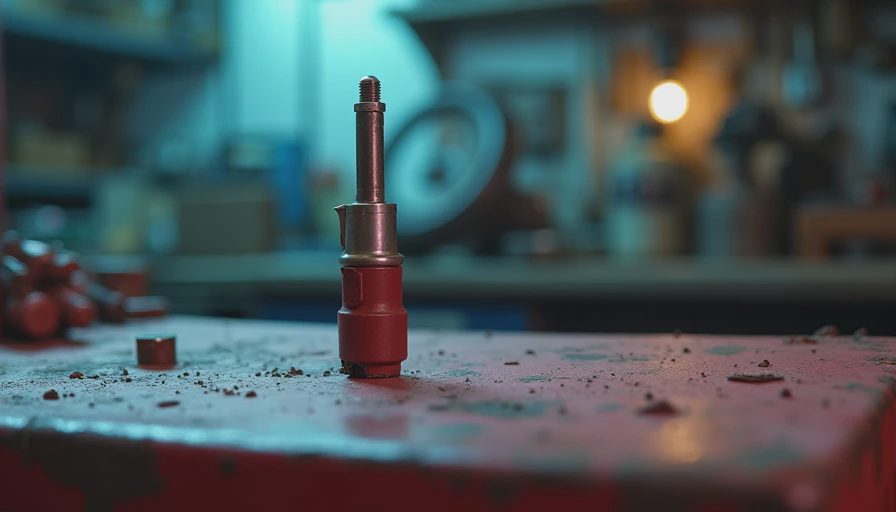
One detail gets missed: a dying coil can set a code on a different cylinder. A coil that is intermittent when hot can trigger P0302 on cylinder two even when the coil sits on cylinder one. Swapping coils between cylinders is the fastest diagnostic move on many cars. If the misfire follows the coil, you have your answer.
Why Oil and Coolant Kill Coils
This is where a fluid-focused reference pays off. On overhead-cam engines, each coil-on-plug unit sits inside a spark plug tube sealed by an O-ring or valve cover gasket. When that seal leaks, engine oil fills the tube around the spark plug. Oil alone may not short the coil immediately, but as it heats, it absorbs carbon from blow-by and becomes conductive. The result is a constant current drain across the coil output terminal, which causes intermittent misfires and eventually kills the coil. The same happens when coolant leaks into the spark plug well from a cracked head or intake gasket.
The fix is not just a new coil. The oil leak has to be stopped, the spark plug well cleaned, and the valve cover gasket or O-ring replaced. If you only install ignition coils over pooled oil, the replacement will fail in a few months. The gasket spec is just as important as the coil spec. Pooled oil and coolant should be collected in a catch pan and disposed of at a local collection center.
Testing Ignition Coils Without Guessing
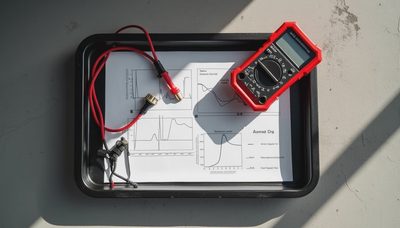
You can test an ignition coil with a digital multimeter in about five minutes. Disconnect the connector and remove the coil. Measure primary resistance across the two small terminals; most coils read between 0.5 and 2.0 ohms. Then measure secondary resistance between the high-tension terminal and the primary ground terminal. It can range from 6,000 to 15,000 ohms depending on the vehicle. Look up the spec before judging the reading.
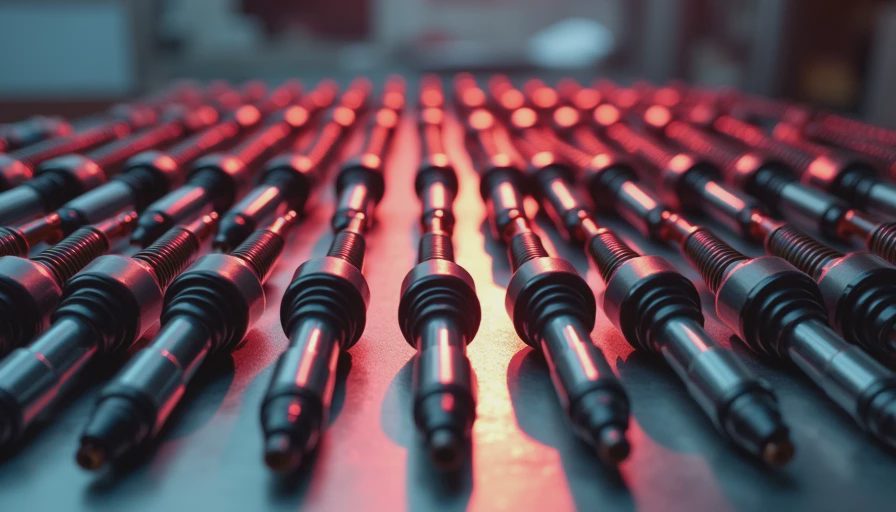
A multimeter test is not perfect. A coil can pass an ohms test cold and still fail hot. The best test is an oscilloscope, which shows the current waveform while the engine runs. Without a scope, use the swap test. Move the suspected coil to another cylinder, clear the code, and drive under the same conditions. If the code moves to the new cylinder, the coil is bad.
Also check the connector pins before buying a replacement. Many aftermarket ignition coils fail early not because the coil is poor quality but because the vehicle-side terminals are loose or corroded. Clean them with electrical contact cleaner, replace the pigtail if needed, and reinstall with high-temp dielectric grease.
Replacement Time: Match the Spec
When testing confirms the failure, match the specification. A factory coil may cost $80 to $180 per coil, while a quality aftermarket unit from an OE supplier brand can be $35 to $90. No-name coils selling for $15 to $25 online often use undersized windings and low-grade epoxy that cracks under heat. Paying for a known brand is the cheaper repair over time.
Replacing all coils at once is not always necessary. A single failing coil can be swapped individually if the other coils are within spec. But if one coil fails past 100,000 miles, replacing all of them at the same time is predictable maintenance. The labor cost is the same because the coils sit right on top of the engine.
The Short Version
Ignition coils fail from heat, vibration, high mileage, and fluid contamination. A rough idle, a P0300-series code, or a fuel economy drop are the usual clues. Test before buying parts, fix any oil or coolant leak first, and install a coil that matches the OEM specification. Do that and the next misfire is far less likely to be a coil issue.
If you need a resistance spec, check the coil housing or the service information screen. Write the number down, compare it, and replace. That is the procedure I teach, and it is the procedure that keeps customers off your phone.

No comments yet — be the first to share a thought.